

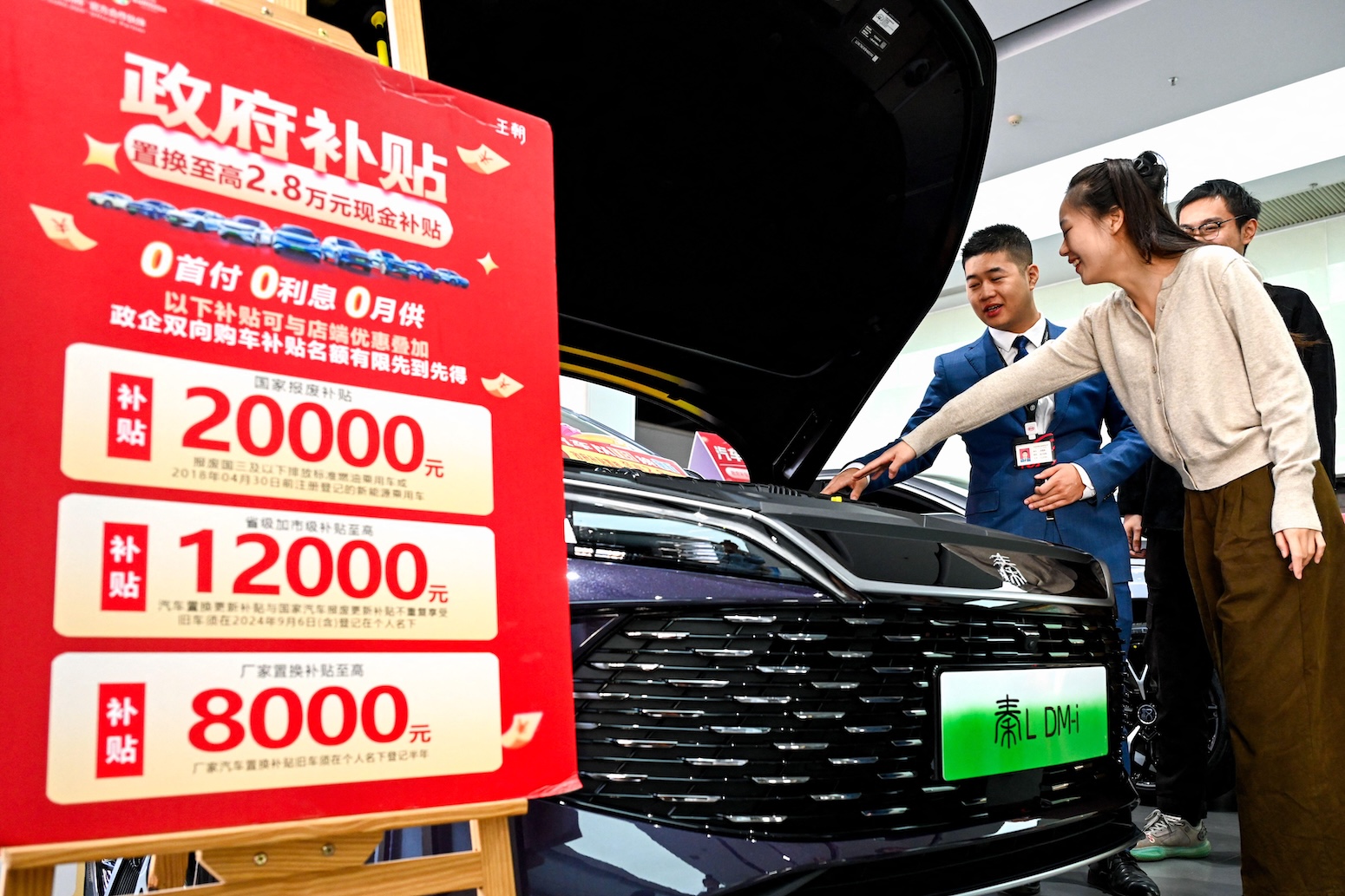
New-energy vehicles (NEVs), encompassing battery electric vehicles and plug-in hybrids, captured a record 67% share of new car sales in China during September, according to data from the China Passenger Car Association. This milestone represents a significant shift from just 6% market share in 2020 and 58% through the first nine months of the year. The record share was achieved despite overall NEV sales declining 17% year-on-year in September and 13% through the year to date, with the growth in market share driven primarily by the steeper contraction in traditional combustion-engine vehicle sales.
Combustion-engine car sales dropped 43% year-on-year in September and 31% in the first nine months of 2026. Analysts attribute this sharp decline to elevated petrol prices resulting from the ongoing Hormuz crisis, which has disrupted global oil supplies. Battery electric vehicle sales showed more resilience, declining only 8.5% year-on-year in September and 4% year-to-date, compared to the larger declines seen in plug-in hybrid and combustion-engine segments. One energy analyst estimated that China’s growing EV fleet has displaced 143 million barrels of oil during the crisis period, while electric vehicles accounted for approximately 12% of the country’s reduced oil consumption.
The broader market contraction reflects a continuation of trends established over the past decade, with combustion-engine vehicle sales in China peaking in 2017 and declining consistently since. Recent policy changes also influenced sales patterns, as a full purchase tax exemption that had been in place for over a decade ended in December 2025, causing NEV sales to reach a low point of 39% market share in January before recovering throughout the year.
While domestic sales weakened, Chinese carmakers significantly increased exports of NEVs, which more than doubled year-on-year with a 164% increase in September. Approximately 1.08 million NEVs were sold domestically in September while 558,000 were exported. Industry observers note that exports have become a strategic priority for Chinese manufacturers facing intensifying domestic competition and softer demand. However, rising Chinese EV exports have prompted trade responses, with the European Union implementing tariffs on Chinese electric vehicle imports and planning restrictions on hybrid imports, while countries including Mexico and Turkey have also imposed tariffs on Chinese EV imports.
Article Attribution | Read More at Article Source
Article summary produced by Claude AI