

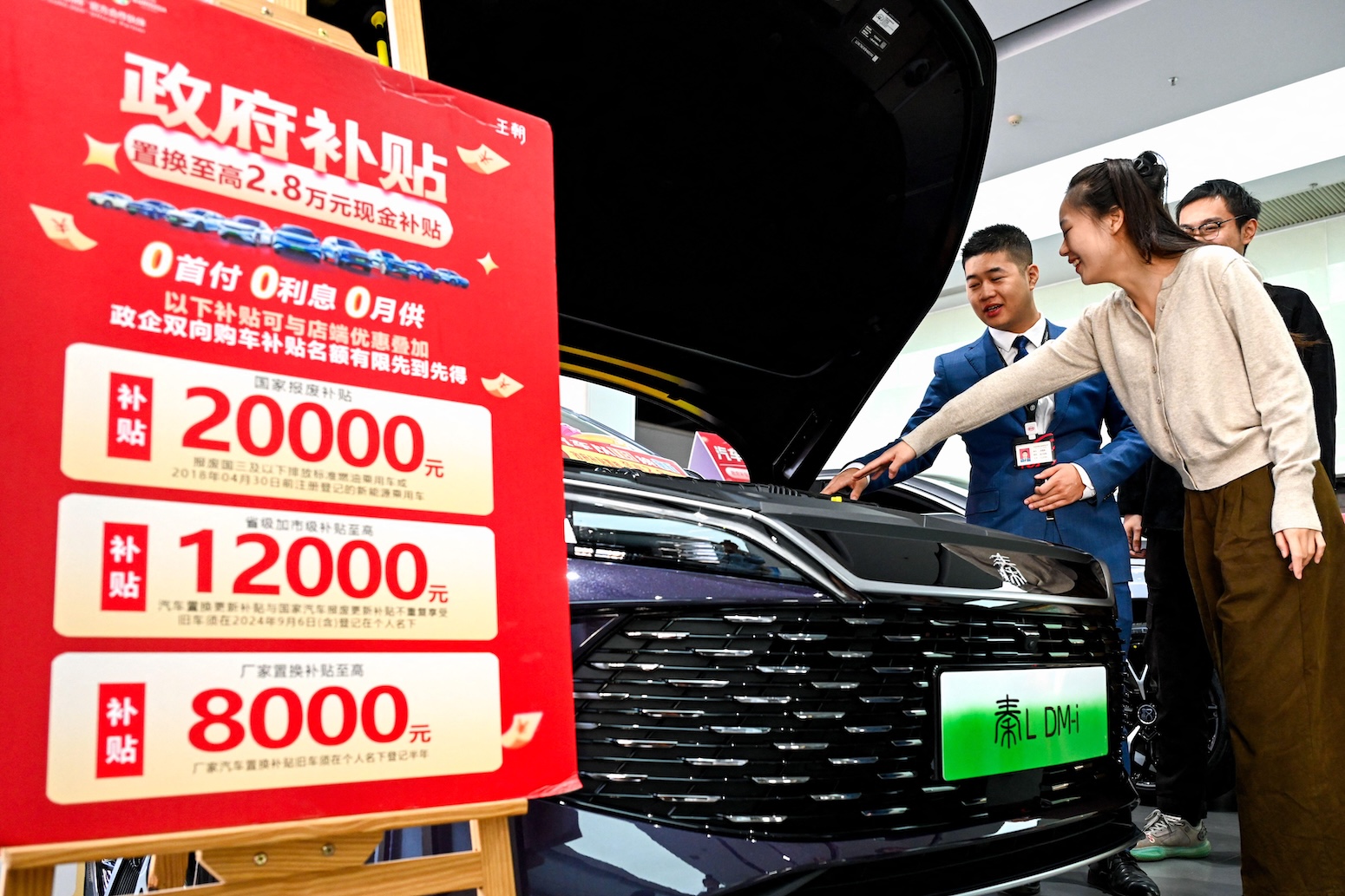
New-energy vehicles, including battery electric cars and plug-in hybrids, reached a record 67% market share in Chinese passenger car sales during September, according to data from the China Passenger Car Association. This represents a significant milestone in the country’s transition toward electric transportation, marking growth from just 6% of sales in 2020 to 58% year-to-date in 2026.
The surge in NEV market share occurred despite overall sales declining across all vehicle categories. Combustion-engine vehicle sales fell 43% year-on-year in September and 31% for the first nine months of 2026. Battery electric vehicles performed comparatively better, declining only 8.5% in September and 4% year-to-date. Plug-in hybrid sales fell 36% year-on-year in September and 26% year-to-date. Analysts attributed the weakness in traditional fuel vehicle sales to rising petrol prices, which were driven by the Hormuz crisis and resulting supply constraints.
The displacement effect of rising energy costs has been substantial. One analyst estimated that China’s growing EV fleet has offset demand for 143 million barrels of oil since the onset of the Hormuz crisis. Oil imports into China fell 15% compared to the prior year through September, equivalent to 470 million barrels. Industry observers noted that the crisis has reinforced momentum behind China’s electrification strategy, partly vindicating the country’s earlier focus on electric vehicles driven by oil-supply security concerns.
Other factors contributed to market dynamics beyond energy prices. The removal of a purchase tax exemption at the end of 2025 initially depressed NEV sales, with market share dropping to 39% in January before recovering. Trade-in policies, new model launches, and holiday disruptions also influenced sales patterns. Analysts suggested market share growth may eventually plateau, with one consultant estimating NEVs are unlikely to exceed 80% of sales as certain premium segments and use cases will continue requiring combustion engines.
Meanwhile, Chinese carmakers significantly expanded international presence, with NEV exports more than doubling year-on-year and reaching 558,000 units in September alone. This export growth reflects domestic competitive pressures and weakening internal demand, prompting major carmakers to prioritize overseas markets. However, rising Chinese EV exports have prompted protective measures globally, including tariffs from the European Union, Mexico, and Turkey.
Article Attribution | Read More at Article Source
Article summary produced by Claude AI