

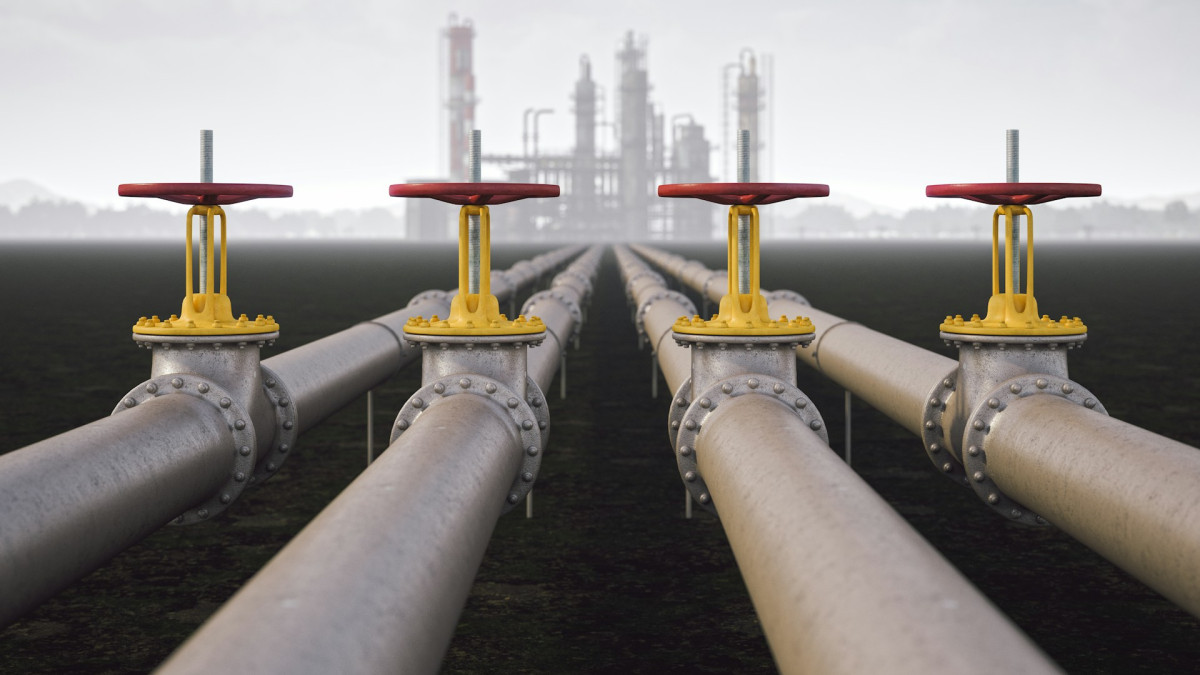
Russia is providing China with substantially reduced pricing on natural gas deliveries, according to documentation from the Russian Duma. Chinese purchasers are paying approximately $248 per thousand cubic meters of pipeline gas in 2026, whereas Gazprom’s other foreign customers outside the former Soviet Union are paying around $562 per thousand cubic meters. This represents a discount of as much as 56 percent for Beijing. Analysts attribute the steep reduction to China’s continued political support for Russia’s military operations in Ukraine. Western sanctions and the European Union’s efforts to decrease reliance on Russian energy sources have significantly narrowed Russia’s customer base, making Chinese purchases an essential revenue stream for sustaining military expenditures. Russian officials have indicated hopes to reduce these discounts in subsequent years, though their current negotiating position remains constrained.
The disparity in pricing is notable when compared to Russia’s competitors. China currently pays Turkmenistan more per unit than the reduced Russian rate, and negotiations regarding a proposed “Power of Siberia 2” pipeline have stalled due to pricing disagreements. Experts observe that Russia’s weak position stems from multiple factors. While increased geopolitical tensions and Middle Eastern instability could theoretically favor pipeline gas over liquefied natural gas imports for China, Russia’s break with European markets has created substantial surplus gas reserves in Siberia that lack alternative buyers, strengthening Beijing’s negotiating leverage significantly.
Meanwhile, China has expanded its engagement across Central Asia and Kazakhstan through multiple initiatives. Chinese Premier Li Qiang visited Uzbekistan and Tajikistan, concluding agreements including industrial development projects. China’s major government research institute held forums and collaborative sessions with Central Asian counterparts to shape regional policymaking. In Kazakhstan, construction began on a $1.8 billion copper smelter involving Chinese investment, though disclosure documents indicate preparatory work agreements remain in effect rather than full construction contracts. Additional Chinese investment proposals focus on port development and energy sector cooperation, while Kazakhstan received observer status in China’s heritage alliance organization.
Article Attribution | Read More at Article Source
Article summary produced by Claude AI