

Qatar has long maintained a precarious geopolitical balance between competing regional and global powers due to its strategic location between Saudi Arabia and Iran. The nation shares the world’s largest natural gas field with Iran and has cultivated energy partnerships with both Western nations and China, positioning itself as a pragmatic player in international relations.
Following Russia’s 2022 invasion of Ukraine, Qatar emerged as a critical energy supplier to Europe. High-level diplomatic engagements resulted in Qatar receiving designation as a Major Non-NATO Ally from the United States, while simultaneously signing energy cooperation agreements with Germany and finalizing long-term liquefied natural gas contracts with European partners. These arrangements underscored Qatar’s importance to Western energy security during a period of geopolitical tension.
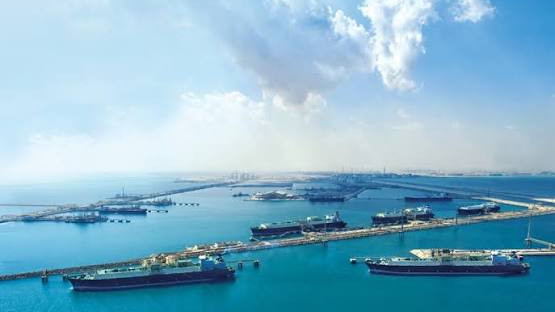
However, Qatar’s dual alignment became more complicated when Iran conducted military strikes on the country in March, damaging critical energy infrastructure at Ras Laffan Industrial City. The attacks disabled approximately 17 percent of Qatar’s LNG export capacity, including damage to production facilities and Shell’s Pearl gas-to-liquids plant. Initial assessments suggested repairs would require three to five years, representing approximately $20 billion in lost annual revenue.
The incident raised questions about China’s role in regional affairs, given Beijing’s extensive influence over Iran through their comprehensive cooperation agreement and China’s substantial oil purchases from Tehran. Six months after the strikes, Qatar demonstrated recovery progress when Shell partially restarted the Pearl GTL facility, though full repairs were not expected to conclude until the first quarter of 2027. The episode illustrated the ongoing tensions underlying Qatar’s position between competing geopolitical interests and the vulnerabilities inherent in its energy infrastructure strategy.
Article Attribution | Read More at Article Source
Article summary produced by Claude AI