

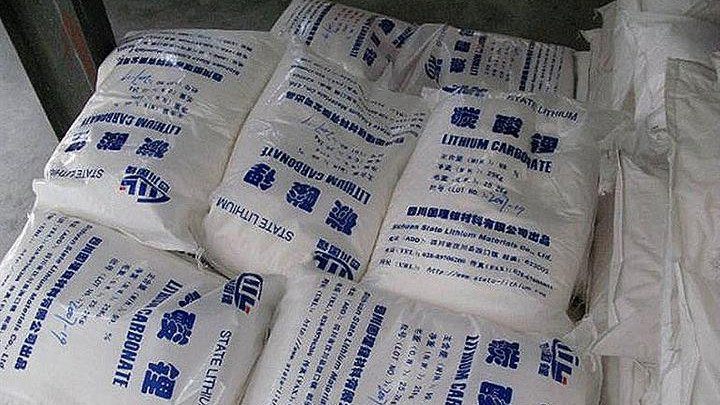
A recent research study has identified the possibility that China possesses substantial lithium resources beneath its battery manufacturing facilities. The deposits are theorized to result from ancient volcanic activity that produced clay formations mineralized with lithium over geological time. Evidence of lithium mineralization has already been detected in clay layers within volcanic rock formations in East and South China, where the country’s battery production is concentrated.
According to researchers from the Chinese Academy of Sciences, the geographic overlap between potential clay-type lithium deposits and existing industrial battery clusters could reduce transportation expenses and mitigate supply-chain vulnerabilities if the deposits prove economically viable. China currently controls between 70% and 80% of the global lithium supply chain and ranks as the world’s second-largest lithium producer after Australia. The nation also maintains an uncontested position in lithium processing capabilities.
However, significant challenges remain before commercial development becomes feasible. The lithium concentration in the clay formations studied falls between a few hundred parts per million and 1,000 parts per million, which is relatively low. Commercial viability would depend on future demand projections and market conditions. Additionally, China’s battery sector currently faces overcapacity issues stemming from years of government subsidies supporting new energy industries, including solar panels, wind turbines, and electric vehicles.
The timing of potential lithium resource development is complicated by China’s strategic focus on advancing solid-state battery technology. The government has indicated plans to become the dominant global player in solid-state batteries within five years, according to statements from the Ministry of Industry and Information Technology. Given China’s historical success in scaling emerging energy technologies, domestic lithium deposit development may not emerge as an immediate priority if new battery types reduce reliance on lithium-ion chemistry.
Article Attribution | Read More at Article Source
Article summary produced by Claude AI