

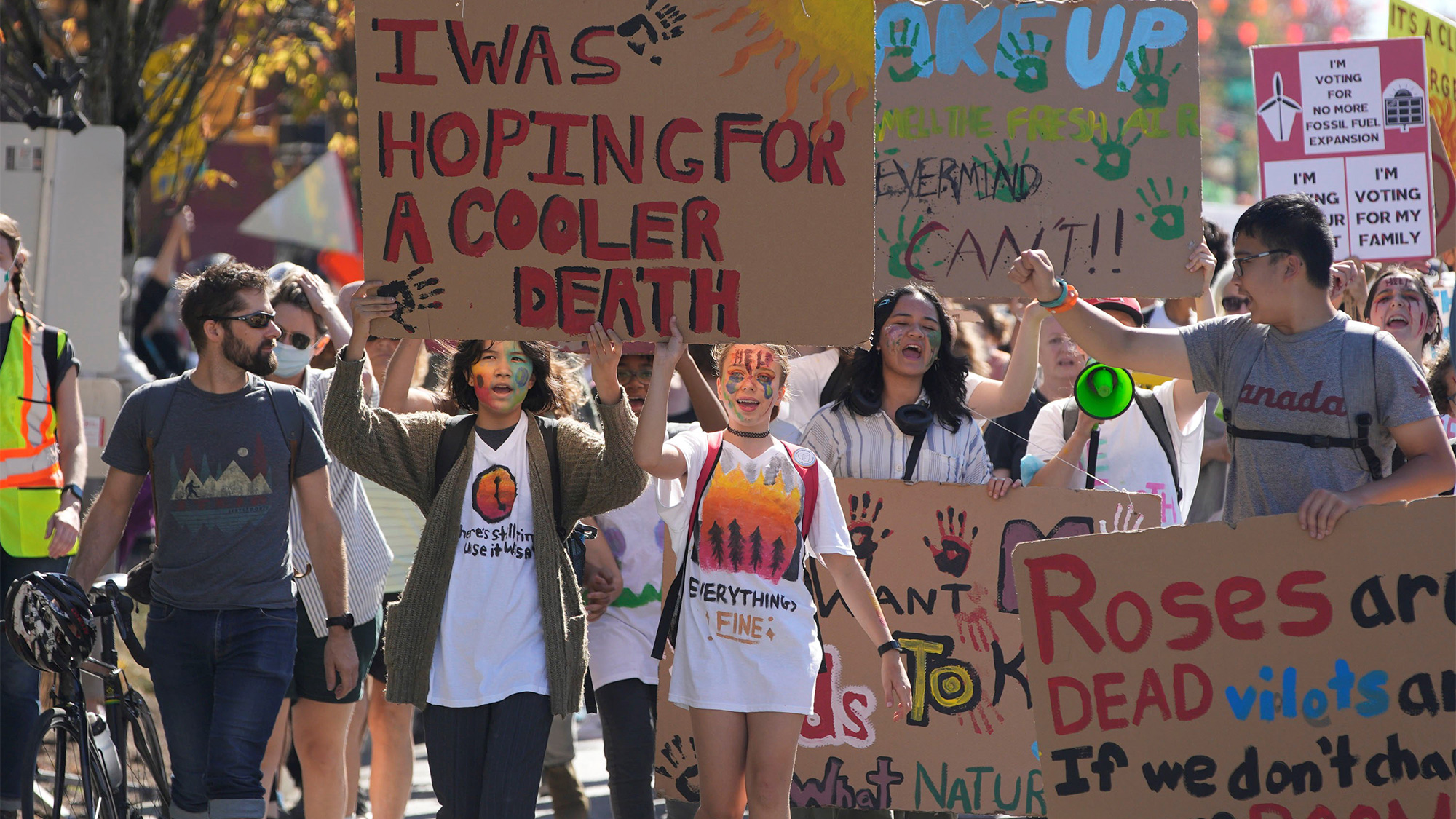
A legal case brought by 15 Canadian youth against the federal government commenced in Vancouver, representing one of the most significant climate-related lawsuits to reach trial globally. The plaintiffs, ranging from age 10 to 19 when the original suit was filed in 2019, allege that the government’s insufficient response to climate change breaches their constitutional protections under the Canadian Charter of Rights and Freedoms, specifically Section 7, which guarantees the right to life, liberty, and security of the person. Six of the plaintiffs identify as Indigenous.
The legal proceedings extend five weeks, with all 15 youth expected to testify alongside expert witnesses specializing in climate science, renewable energy, children’s health, and economics. The case specifically challenges the adequacy of the Canadian Net-Zero Emissions Accountability Act of 2021 and the 2030 emissions reduction plan, with plaintiffs arguing these measures fall short of what scientific consensus deems necessary. A federal judge initially dismissed the case without trial in 2020, but a 2023 court of appeal decision allowed the Section 7 arguments to proceed after plaintiffs submitted a more detailed complaint focusing on specific legislation.
Environmental law experts characterize the case as unusual, noting that of approximately 3,000 climate lawsuits filed worldwide in recent decades, most never reach courtroom proceedings. Similar litigation in other jurisdictions, such as Held v. Montana, which succeeded in 2023, has demonstrated that courts can address climate policy through constitutional frameworks. Closing arguments are scheduled for February with a decision expected in 2027, though potential appeals could extend the timeline. Legal observers suggest that even an unfavorable outcome would carry significance for the broader climate litigation movement globally.
Article Attribution | Read More at Article Source
Article summary produced by Claude AI