

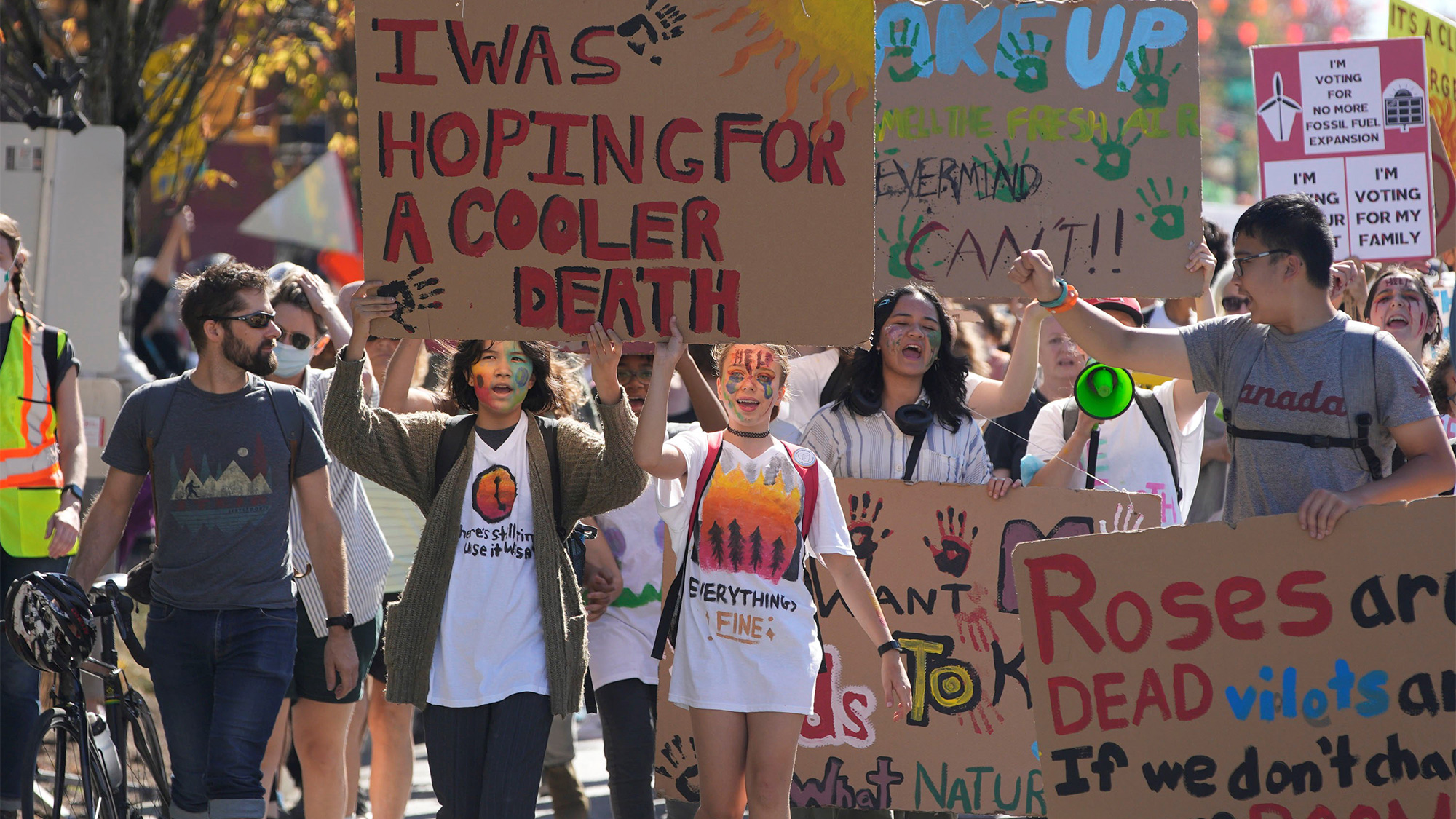
A lawsuit brought by 15 young Canadians is proceeding to trial on Monday in Vancouver, with the plaintiffs alleging that the federal government has violated their constitutional rights through inadequate climate action. The case, La Rose v. His Majesty the King, represents a rare instance of climate change reaching the courtroom despite thousands of similar filings worldwide.
The plaintiffs, six of whom identify as Indigenous, initially filed the suit in 2019 when they were between ages 10 and 19. They argue that by failing to sufficiently combat climate change, Canada breached Section 7 of the Canadian Charter of Rights and Freedoms, which protects the right to life, liberty, and security. The youth also contend the government violated equality protections by allowing young people to bear a disproportionate share of climate impacts. The case specifically challenges Canada’s Net-Zero Emissions Accountability Act of 2021 and the 2030 emissions reduction plan, arguing these measures do not go far enough.
After initial dismissal by a federal judge in 2020, the Federal Court of Appeal in 2023 allowed the Section 7 arguments to proceed with amended specificity. The trial is expected to last five weeks, with all 15 plaintiffs and expert witnesses in climate science, renewable energy, health, and economics scheduled to testify. Closing arguments are slated for February, with a decision anticipated in 2027, though appeals could extend the timeline further.
Legal experts characterize this proceeding as unusually consequential. While more than 3,000 climate cases have been filed globally in recent decades, most never reach trial. The landmark Held v. Montana case in the United States, where a judge ruled that energy permitting policies violated constitutional environmental rights, provides a notable precedent. A Canadian victory could prove persuasive in other jurisdictions and potentially inspire additional climate litigation, particularly in Commonwealth nations and beyond.
Article Attribution | Read More at Article Source
Article summary produced by Claude AI