

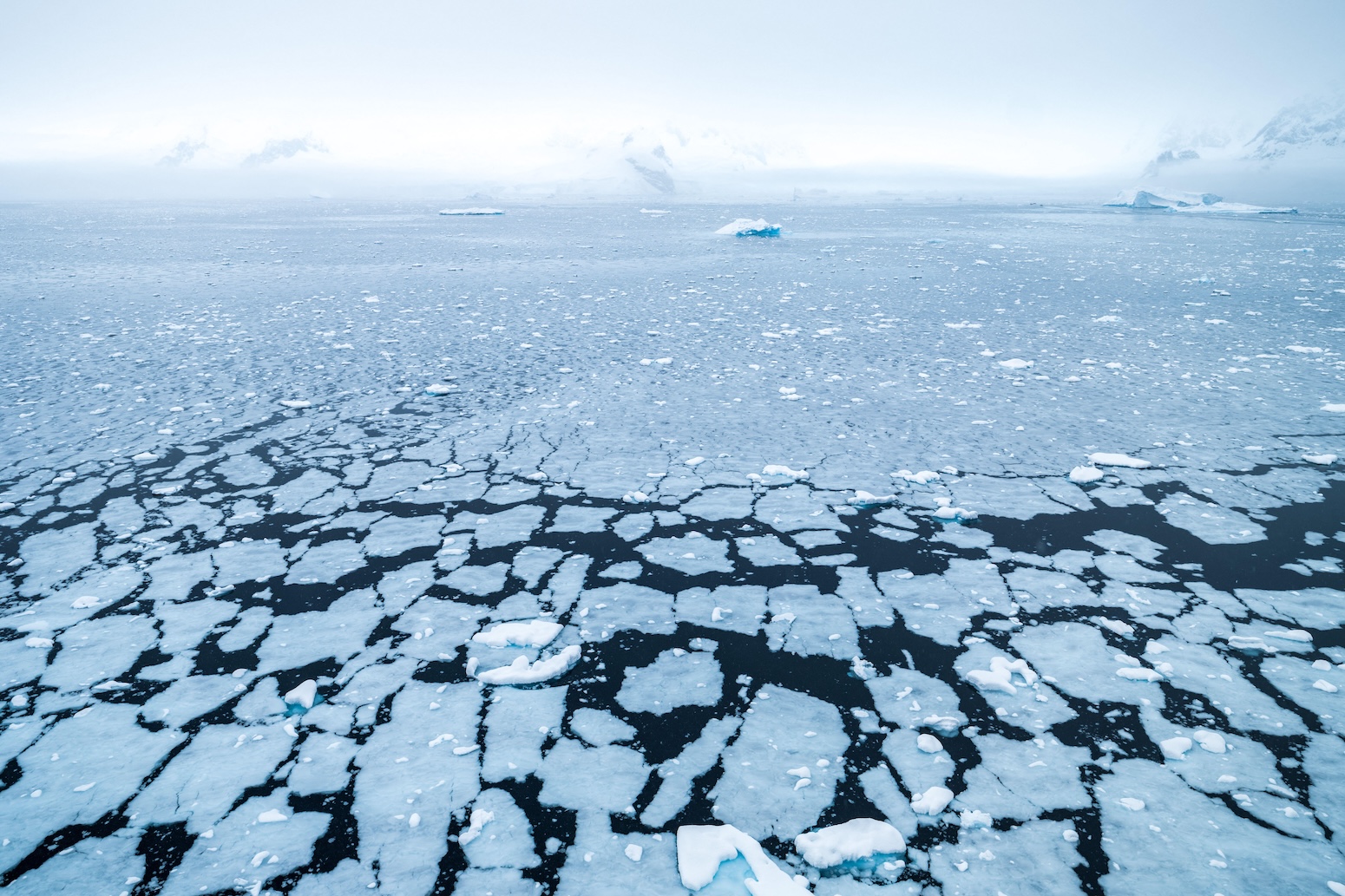
Antarctic sea ice attained its third-smallest winter maximum extent since satellite monitoring began, according to provisional data from the US National Snow and Ice Data Center released on 14 September. The measurement reached 17.59 million square kilometers. Scientists have noted that while the data remains preliminary, the persistent low values represent a notable departure from decades of relatively stable or increasing winter conditions in the Antarctic region.
Polar climate researchers are monitoring the development closely but caution that additional observational years are needed to establish whether the recent Antarctic sea ice decline represents a fundamental shift in patterns or natural variability within expected ranges. One expert observed that Antarctic sea ice extent in July and August this year ranked among the five and four lowest on record, respectively, with the lowest values for both months occurring since 2022 and 2023. Regional variations also characterized ice cover patterns, with the Bellingshausen Sea remaining largely ice-free in April while the Amundsen Sea exhibited above-normal coverage, though these conditions shifted substantially by late August.
In the Arctic, sea ice declined to 4.60 million square kilometers on 12 September, matching the joint-10th lowest minimum in the satellite record and tied with three previous years. While this does not represent a record low, researchers note it remains lower than any minimum recorded before 2007. Climate experts attribute much of the year-to-year variability to localized weather patterns, with this year’s relatively moderate Arctic result influenced by lower pressure systems that produced cooler and cloudier conditions limiting surface melt. However, the Atlantic side of the Arctic experienced more extreme conditions, with the Barents Sea recording its earliest melt-out on record due to abnormally warm air and ocean temperatures.
The broader scientific assessment indicates that long-term Arctic sea ice trends remain decidedly downward, with human-caused climate change fundamentally altering the region’s ice cover and thickness compared to previous decades. Scientists have encountered operational challenges in maintaining monitoring systems, with one critical reanalysis dataset halting updates after the termination of essential air pressure data in March 2026. Researchers emphasize the need for expanded observational data on metrics such as ice thickness to better evaluate overall ice pack conditions.
Article Attribution | Read More at Article Source
Article summary produced by Claude AI