

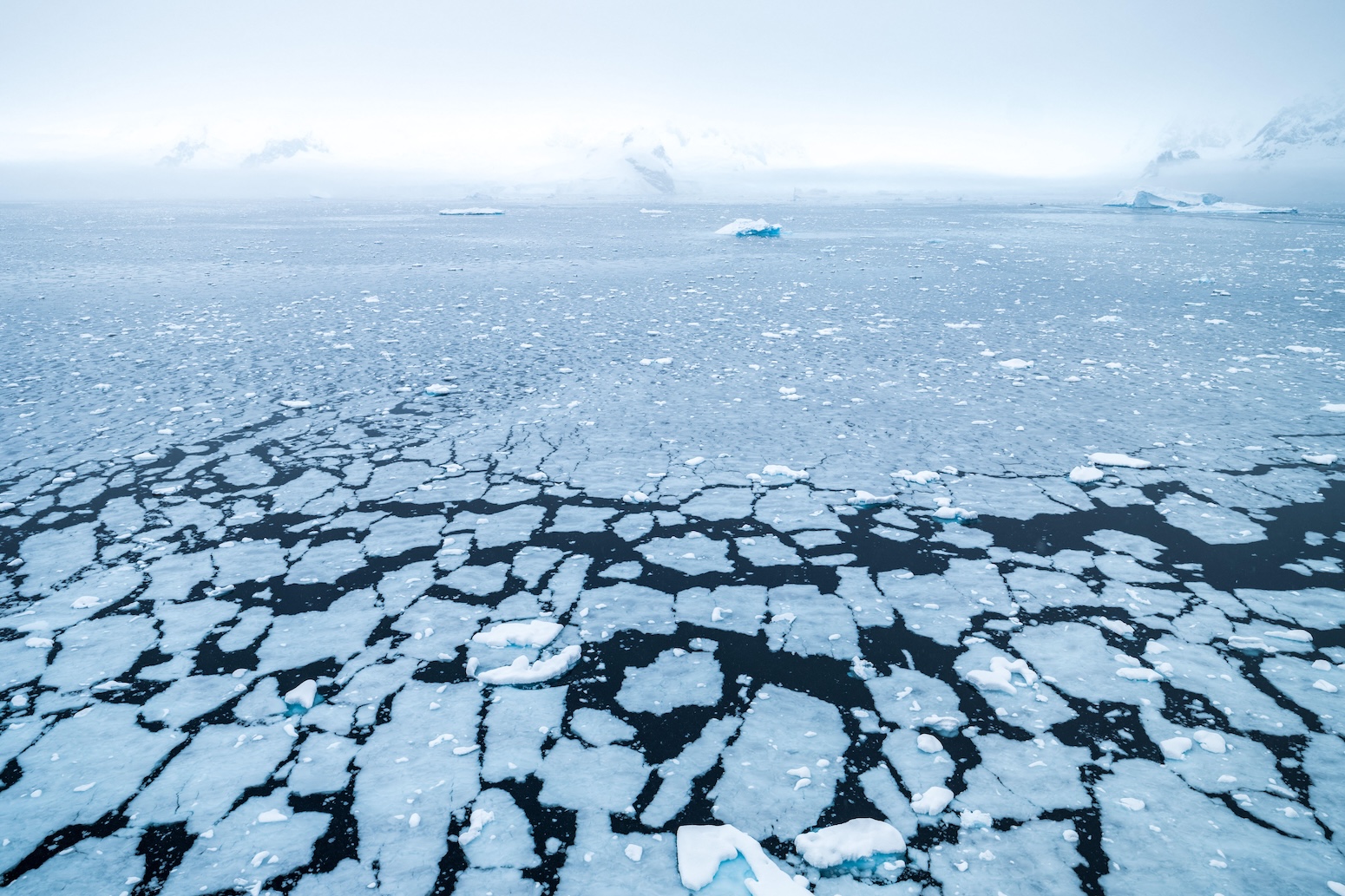
Antarctic sea ice achieved its third-smallest winter maximum extent since satellite monitoring began 48 years ago, reaching 17.59 million square kilometers on 14 September, according to preliminary data from the US National Snow and Ice Data Center. The measurement marks a continuation of unusually low Antarctic sea ice conditions observed in recent months, with July and August extents ranking among the lowest on record.
Polar climate scientists have expressed concern about the persistent decline in Antarctic sea ice, particularly given that winter conditions had remained stable or increased for several decades prior. However, researchers emphasize the need for additional years of data to determine whether current trends represent a fundamental shift or reflect natural variability. The situation differs from the Arctic, where human-caused warming has more clearly driven declines. Notable regional variations in Antarctic ice coverage occurred during the growth season, with some areas showing near-normal ice formation while others experienced severe deficits that subsequently shifted as weather patterns changed.
At the Arctic, sea ice reached its annual minimum on 12 September with an extent of 4.60 million square kilometers, tying for the 10th-lowest extent in the satellite record. While not record-setting, this minimum remains substantially lower than any Arctic minimum recorded before 2007, reflecting long-term reductions in ice cover and thickness attributable to climate change. The last 20 years have encompassed the lowest 20 Arctic sea ice extents in satellite records.
Arctic ice extent was shaped by variable weather patterns across different regions. Central Arctic conditions featured lower pressure systems that produced cloudier, cooler weather limiting surface melt, while the Atlantic side experienced more extreme conditions with record early melt-out in the Barents Sea driven by unusually warm air and ocean temperatures. Scientists note that year-to-year variations in local weather significantly influence ice extent measurements, even as the long-term downward trend continues.
Researchers highlighted challenges in tracking sea ice conditions going forward, noting that a March termination of a critical global air pressure dataset forced discontinuation of the Pan-Arctic Ice Ocean Modeling and Assimilation System reanalysis used to monitor Arctic ice thickness. Scientists have called for expanded monitoring of ice thickness and other metrics to better assess overall ice pack conditions, particularly during years with highly fragmented coverage.
Article Attribution | Read More at Article Source
Article summary produced by Claude AI