

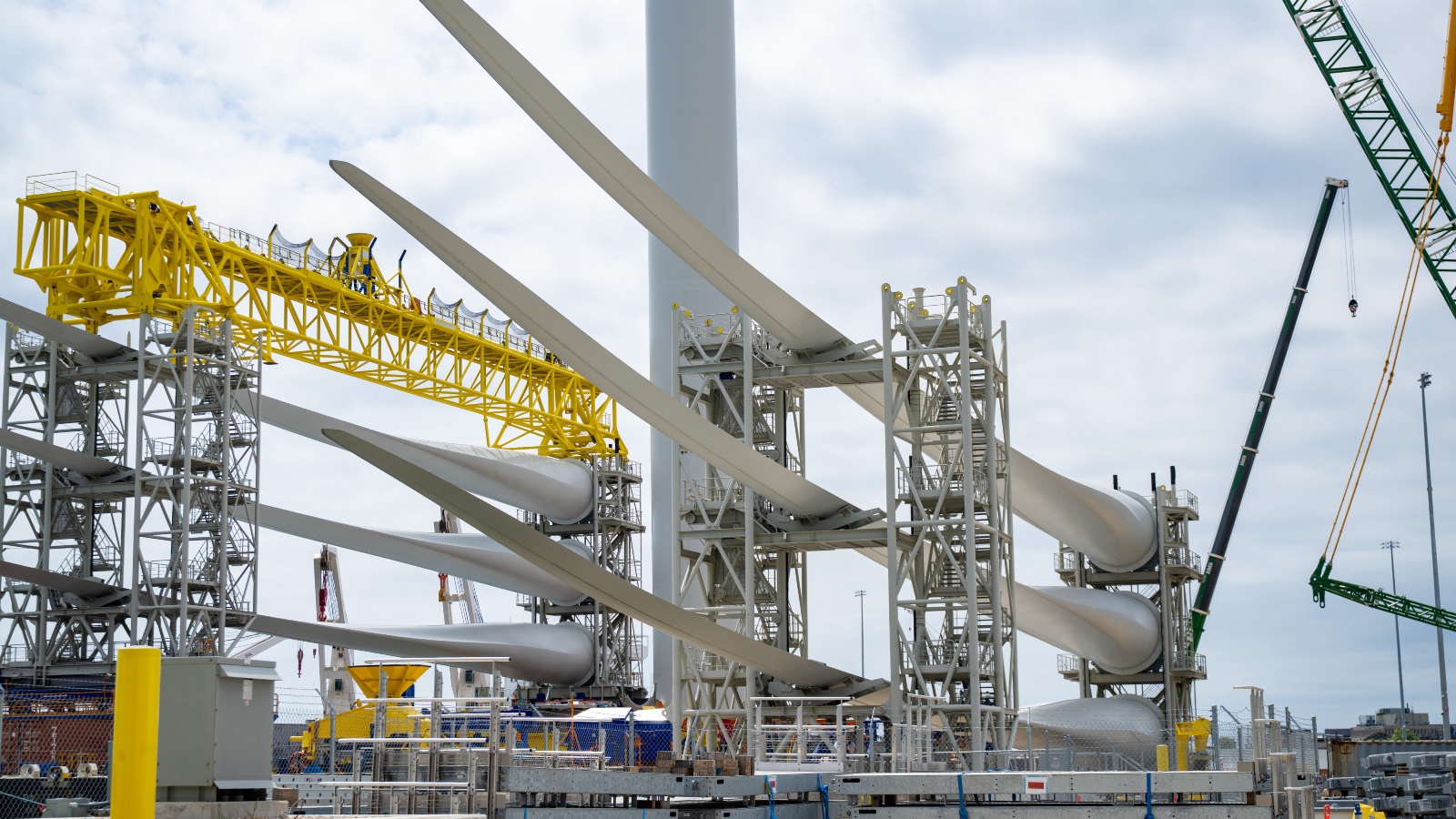
President Donald Trump’s administration has pursued a broad campaign to delay or cancel renewable energy projects since taking office for his second term, including dozens of wind and solar installations that had completed federal reviews. The Department of the Interior and other agencies have frozen permits citing vague national security concerns or providing no explanation, effectively crippling the offshore wind industry and prompting many developers to accept administration payouts rather than continue fighting for approval.
In response, a group of senators negotiated a bipartisan compromise bill earlier this month called the Bipartisan American Affordability and Jobs Act. The legislation aims to streamline environmental reviews for various energy infrastructure while incorporating specific provisions intended to prevent current and future administrations from blocking clean energy projects. The renewable energy industry has generally endorsed the measure as a protective mechanism, and lawmakers plan to vote on it following the midterm elections.
The bill’s core protections center on two main mechanisms. First, it explicitly prohibits the federal government from revoking, rescinding, or altering previously approved permits, with potential remedies including permit reinstatement or financial compensation ranging from 25 to 50 percent of project costs paid through the Judgment Fund. Second, an anti-discrimination clause would allow developers to challenge permit denials they believe reflect disparate treatment based on energy source, with successful cases potentially resulting in full cost reimbursement if construction is completed.
However, significant concerns about the bill’s effectiveness have emerged. Climate advocates and policy experts argue that the project certainty provisions may prove insufficient to prevent determined presidential obstruction. This skepticism gained credibility when the Trump administration announced it would review permits for three Atlantic Coast wind farms this week, including one already operational, undermining the compromise before it reaches a vote. Major international developers like Ørsted and Equinor, having invested billions in U.S. offshore wind, now view the country as too risky for continued investment despite the potential financial safeguards the bill would provide.
Article Attribution | Read More at Article Source
Article summary produced by Claude AI