

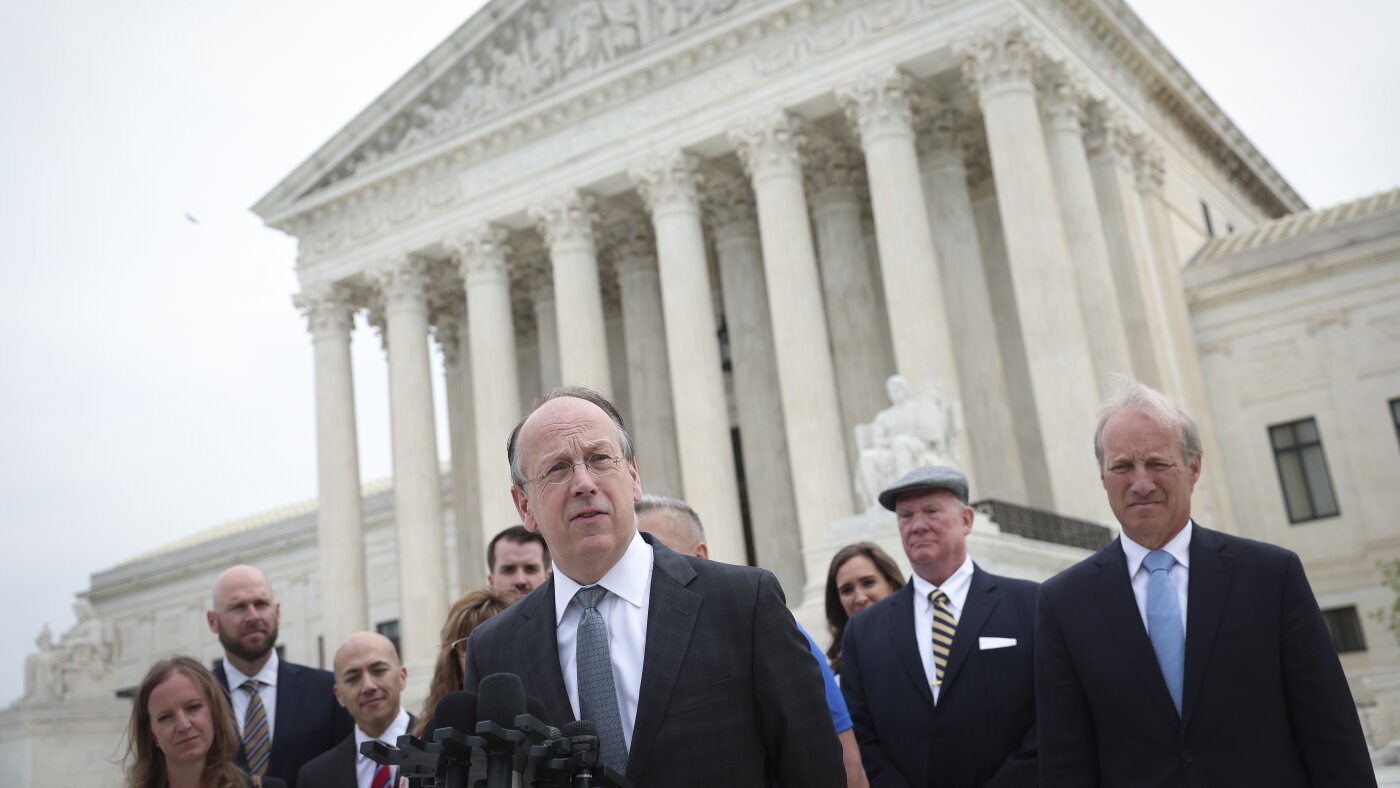
Paul Clement, a leading conservative appellate attorney, is preparing to argue before the Supreme Court in a case involving the scope of a decades-old privacy statute. The case marks his 129th appearance before the justices, cementing his status as one of the most prolific Supreme Court advocates in recent history.
Clement, 60, has built a substantial track record of Supreme Court victories since his tenure as solicitor general under President George W. Bush. Over the past two decades, he has worked primarily in private practice, often mounting legal challenges to executive branch actions. He has successfully urged the Court to adopt several positions favored by conservatives, including restrictions on judicial involvement in partisan gerrymandering cases, limitations on judicial deference to federal agency determinations, and expansions of Second Amendment protections.
More recently, Clement has represented law firms challenging executive orders issued by President Trump. The firms faced security clearance revocations and restrictions on federal building access after hiring attorneys who had previously investigated the president. Clement argued before a federal appeals court that these orders violated First Amendment rights and constituted unlawful retaliation. A conservative Trump-appointed judge on the panel questioned whether a strong executive branch truly has limits, to which Clement reiterated his belief in a powerful presidency with boundaries.
Clement has also prevailed in other disputes with the Trump administration, including a case blocking the president’s attempt to remove a Federal Reserve Board member. He stated his commitment to challenging executive overreach regardless of which administration is in power.
The case Clement will argue Wednesday concerns a 1988 federal law governing the privacy of video rental records. He contends in his filings that plaintiff attorneys have broadened the statute’s application beyond its original consumer protection intent to cover modern circumstances the law did not anticipate.
Article Attribution | Read More at Article Source
Article summary produced by Claude AI