

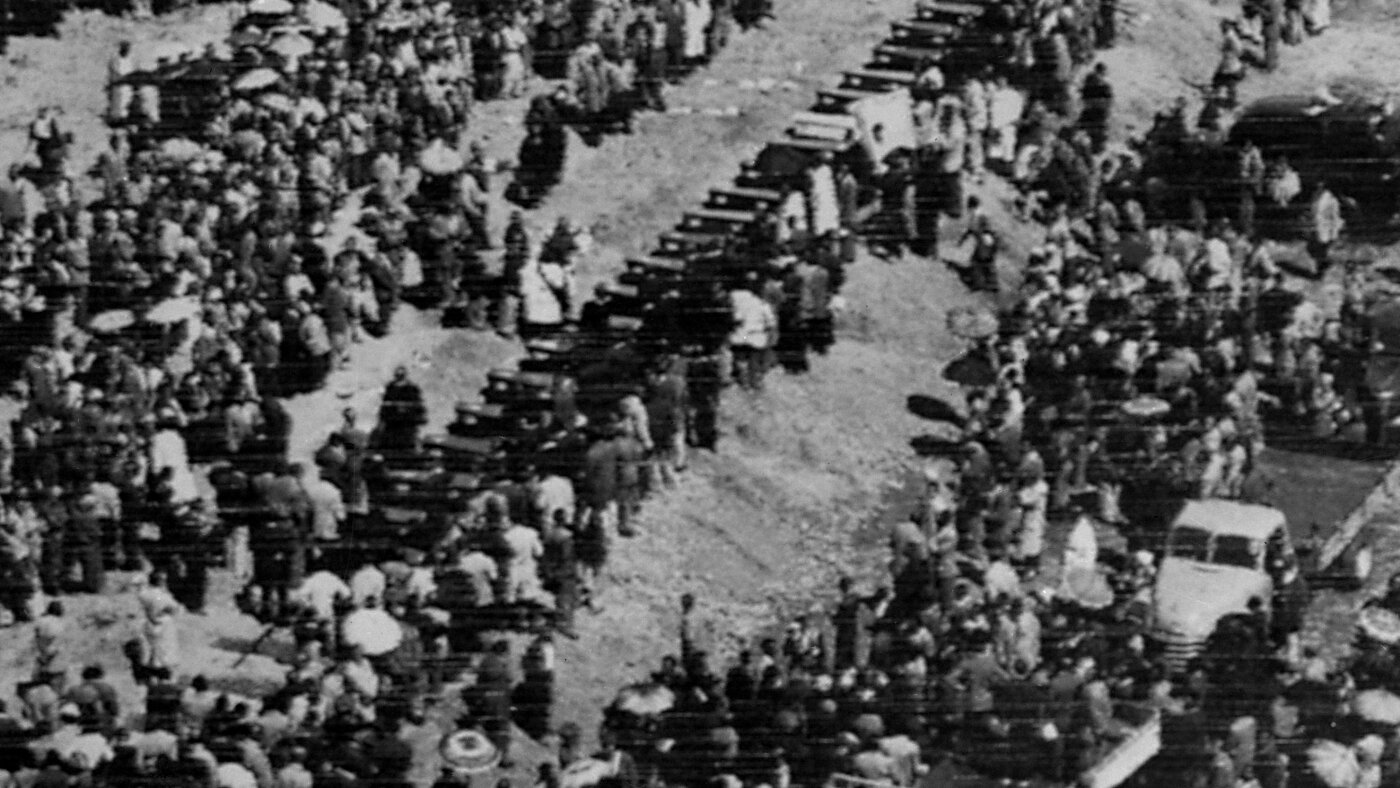
South Africans affected by apartheid-era violence are mounting a renewed push for legal accountability and compensation, with multiple cases moving through the courts nearly seventy years after the system’s end. In Sharpeville, a township outside Johannesburg, survivors and families of those killed in a 1960 police massacre that left at least 69 dead are pursuing a potential class action lawsuit. The effort seeks to overturn an apartheid-era law—the Indemnity Act of 1961—that has continued to shield perpetrators from legal action despite the transition to democratic rule.
Paulina Mathinye, 71, whose father was among those shot during the Sharpeville massacre on March 21, 1960, describes how the loss reshaped her entire life. Without her father as the family’s primary earner, she was unable to complete her education, a deprivation that cascaded through subsequent generations. Now she has joined others in the lawsuit, which was initiated with a court filing in the Gauteng High Court challenging the constitutionality of the indemnity law. Legal advisors note the urgency of pursuing these cases while potential witnesses and victims remain alive.
The Sharpeville effort is part of a broader movement to revisit apartheid-era crimes through the legal system. Recent developments include a court ruling that overturned the previous finding that Nobel Peace Prize laureate Chief Albert Luthuli died when struck by a train, instead determining he was beaten to death by apartheid police in 1967. Inquests into other high-profile cases have been reopened, including the deaths of the Cradock Four activists killed in 1985 and Steve Biko, the Black Consciousness Movement leader who died in police custody in 1977.
A significant question now hangs over these efforts following recent developments. Last year, President Cyril Ramaphosa established a formal inquiry to examine whether recommendations for prosecution from the Truth and Reconciliation Commission—a restorative justice body established in the 1990s—were deliberately shelved. The inquiry is investigating whether top apartheid and post-apartheid leaders made an undisclosed arrangement to avoid prosecutions in the name of reconciliation. Findings from this investigation are expected by December.
Article Attribution | Read More at Article Source
Article summary produced by Claude AI