

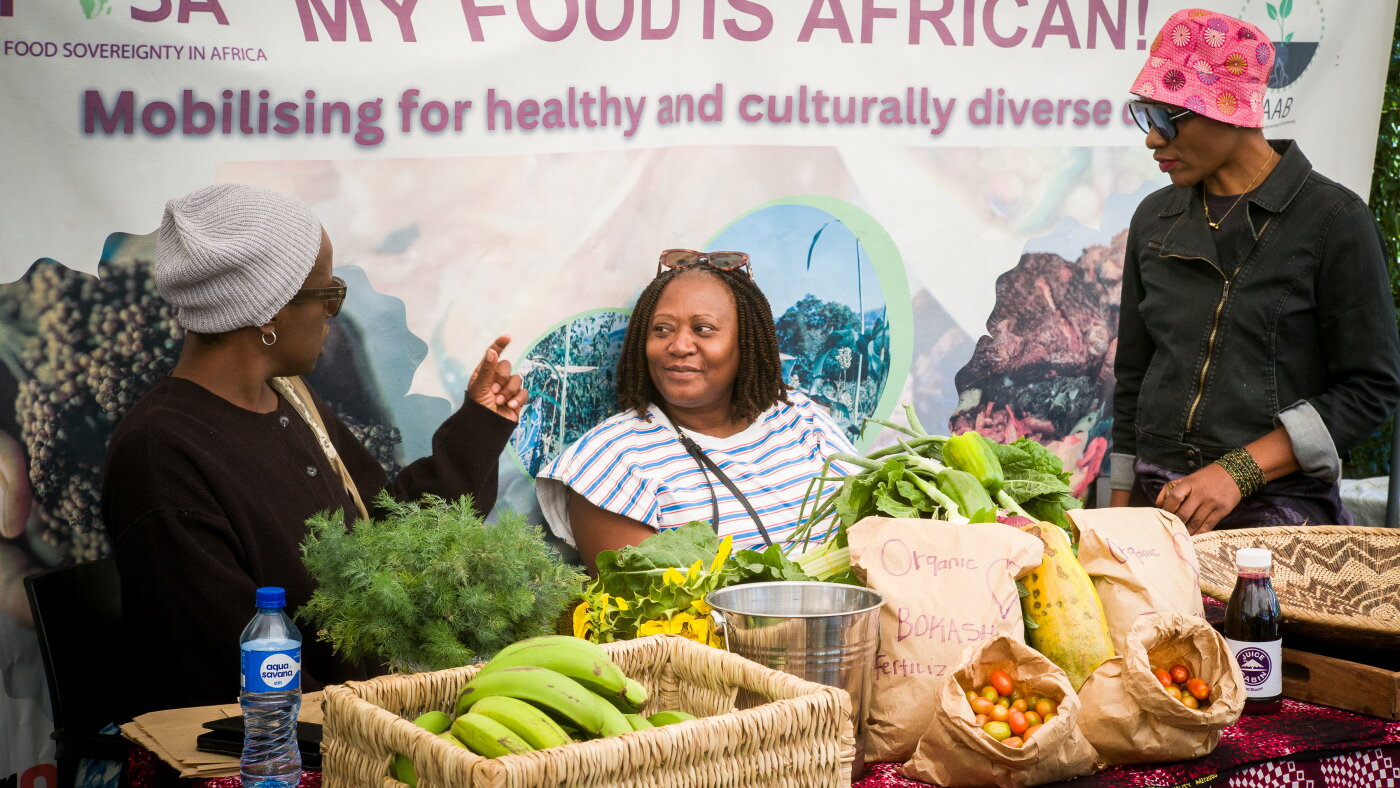
Smallholder farmers in Zambia have increasingly adopted bokashi, a fermented compost fertilizer, as global fertilizer prices have surged during 2026 due to disruptions in international shipping routes. The rise in costs has posed significant challenges for agricultural communities across Africa, where farmers operate with limited resources and face vulnerability to market fluctuations. Kanangwa Newlove, a farmer operating outside Lusaka, has become a notable advocate for the method, which she has employed successfully on her diverse crops including tomatoes, corn, and leafy greens.
Bokashi, with historical roots in Korean farming traditions and later popularized in Japan, involves fermenting organic matter in an anaerobic environment. The method has proven accessible to rural farmers who can source ingredients locally, including crop residues, animal manure, charcoal, and ash, combined with yeast and a sugar source such as molasses or bananas. The fermentation process typically takes several weeks before the material can be buried near crops for final decomposition. Beyond cost considerations, practitioners highlight the method’s lack of harmful chemicals and its role in rebuilding soil health and supporting beneficial organisms like earthworms.
Research conducted by academics and agricultural organizations has demonstrated promising results. Studies examining bokashi application to corn and cabbage crops showed yields comparable to conventional mineral fertilizers, while combinations of both bokashi and reduced amounts of mineral fertilizer produced the best outcomes. This finding suggests potential pathways for farmers to maintain productivity while reducing expenditures. The technique has gained sufficient traction that agricultural training centers now offer instruction, and farmers share knowledge through social media platforms and market exchanges.
The broader context includes Zambia’s historical dependence on imported fertilizers and the pronounced cost increases following global disruptions. While government subsidies exist and remain instrumental for many operations, they do not reach all farmers seeking alternatives. Recent policy developments include efforts to develop domestic fertilizer production capacity, with a planned investment in a major manufacturing facility. Despite some moderation in global fertilizer prices during recent months, costs remain elevated in several southern African nations, maintaining interest in sustainable alternatives like bokashi among farming communities.
Article Attribution | Read More at Article Source
Article summary produced by Claude AI