

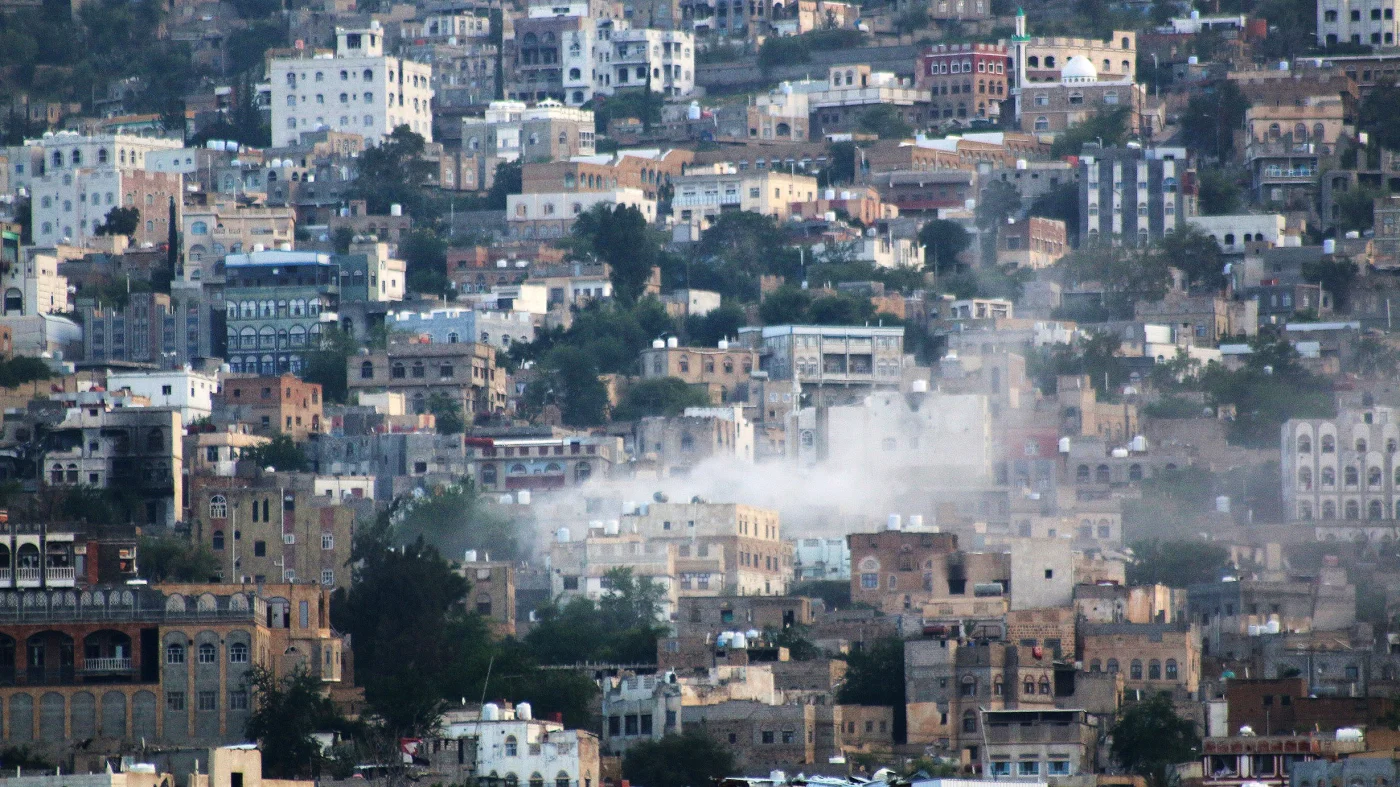
Taiz, Yemen’s third-largest city with a population exceeding 1 million, faces a severe humanitarian crisis as Iran-backed Houthi rebels tighten their siege of the strategic location. Access to drinking water has become critically limited, with humanitarian organizations reporting that residents’ basic needs are barely being met. Wells have become inaccessible, desalination plants operate at reduced capacity due to fuel scarcity, and water delivery trucks are largely barred from entering the city. Residents are resorting to extreme rationing measures, with families stretching small quantities of bottled water across multiple days. The cost of water has increased dramatically, with families paying approximately 75% more than several weeks prior, forcing some households to purchase water on credit.
The broader siege has created cascading shortages affecting multiple essential services and commodities. Food prices have surged significantly, with staple items such as flour and rice costing roughly 50% more than earlier in the year. Fuel supplies have dwindled sharply, with cooking gas prices more than quadrupling. These interconnected shortages compound public health risks, as diminished fuel supplies limit the operation of water pumps, hospital generators, and waste collection services. The situation has been further strained by the arrival of approximately 124,000 displaced persons from other conflict-affected areas of Yemen who have sought refuge in Taiz province.
The crisis emerged as the Houthi rebel group intensified military operations in the region following their capture of the port city of Mokha last month, a location approximately 130 kilometers away that is strategically important for controlling Red Sea shipping. As Houthi forces expanded control over surrounding territories and roads, residents’ ability to access nearby water sources was severed and external water deliveries declined sharply. Those few commercial water transporters still operating have significantly increased their rates to compensate for the dangerous conditions. Civilian populations have begun adopting alternative survival strategies, including cooking over fires fueled by wood, charcoal, or cardboard as gas becomes unaffordable.
Military analysts indicate that controlling Taiz would provide the Houthis a vital position for advancing southward toward other strategic cities. However, seizing the city entirely would likely require prolonged combat resulting in substantial casualties among rebel forces. Houthi officials have indicated they control approximately 80% of the countryside surrounding Taiz and several key neighborhoods within the city itself. International humanitarian organizations have called for immediate opening of roads into Taiz to avert what they characterize as an impending severe humanitarian catastrophe.
Article Attribution | Read More at Article Source
Article summary produced by Claude AI