

Antipsychotic and sedating medications remain commonly prescribed to agitated people with dementia in long-term care facilities, despite a 14-year federal campaign to reduce their use. A JAMA study estimated that 1 in 4 Medicare beneficiaries with dementia receive potentially inappropriate prescriptions for antipsychotics and other brain-altering medications, which carry FDA warnings about increased death risk in older people with Alzheimer’s and similar conditions.
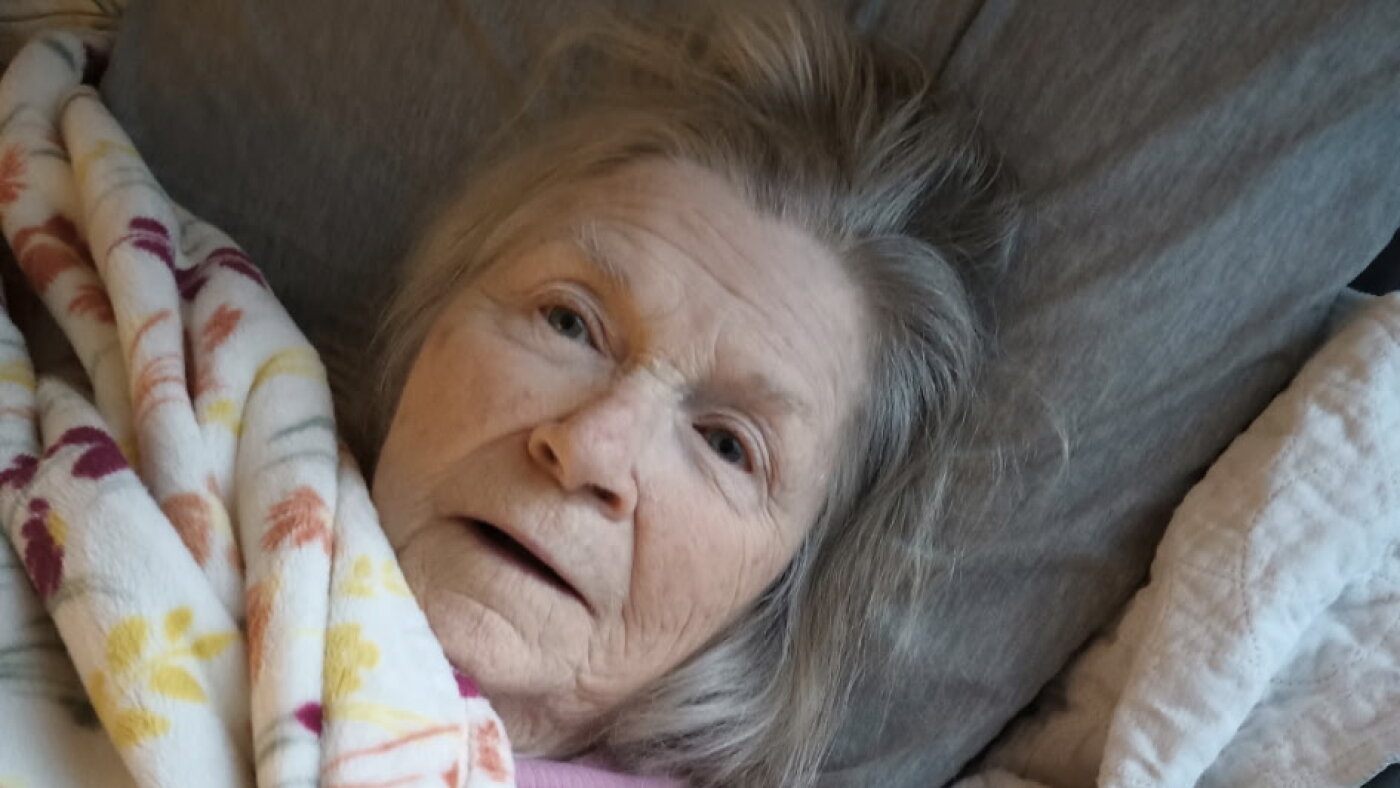
The case of Marjorie Tingley, an 85-year-old Michigan resident, illustrates the tensions between families seeking to minimize medication and facilities seeking to manage disruptive behavior. In December 2024, the dementia care unit at Vista Grande Villa requested permission to sedate Tingley after she struck staff members on multiple occasions during care activities. Her sons opposed the medication, leading to a months-long dispute. During this period, ambulance crews were called repeatedly following altercations, and Tingley was transported to emergency rooms for assessment. Vista Grande subsequently issued a 30-day eviction notice and continued sending Tingley to hospitals even as her family arranged alternative placement. Tingley died at another facility in January 2025 from Alzheimer’s-related brain changes. Her sons have filed a lawsuit against Vista Grande alleging negligence, emotional distress, and wrongful eviction, asserting the facility initiated ER trips in retaliation for disagreements over her care. Vista Grande has denied the allegations and characterized the medications as routine treatment.
Experts note that dementia damages brain regions controlling impulse control and perception, potentially causing aggression rooted in fear or pain. Altercations between agitated dementia patients and caregivers are common in long-term care settings. Nearly half of the approximately 1 million people in assisted living facilities have dementia-related conditions. An inspector general report released in March identified concerning instances of inappropriate antipsychotic use, while a 2025 analysis found that 1 in 7 nursing home residents received antipsychotics excluding those with schizophrenia, for which the drugs are FDA-approved.
Article Attribution | Read More at Article Source
Article summary produced by Claude AI