

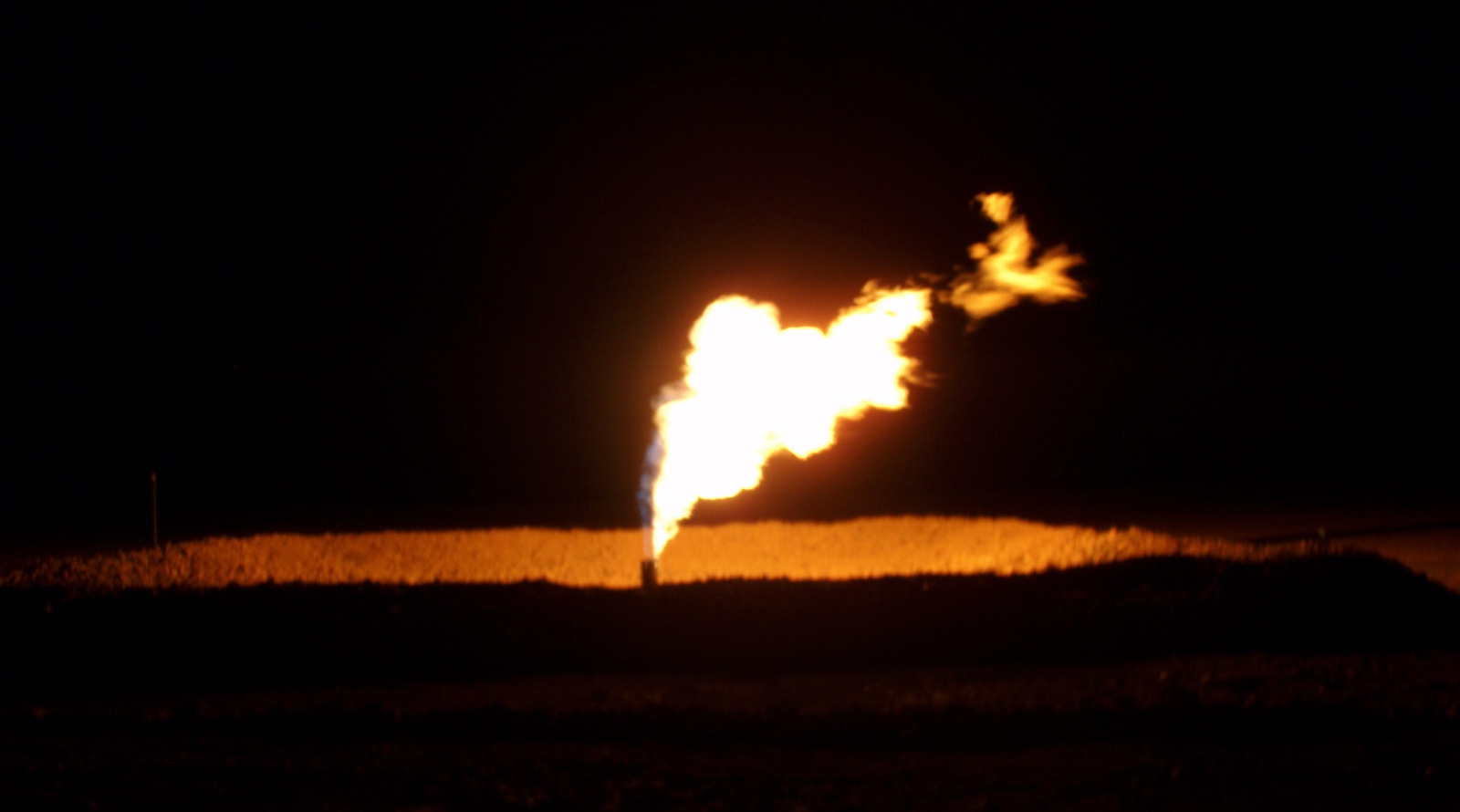
The Environmental Protection Agency announced intentions to reverse course on methane emissions standards established during the previous administration, according to statements made during a meeting with fossil fuel industry representatives. The proposed rollback would eliminate or weaken key provisions from regulations finalized in 2024 that were designed to reduce methane releases from oil and gas operations.
The 2024 standards required operators to capture or utilize gas at oil wells rather than burn it through flaring, conduct regular equipment inspections to identify leaks at well sites and compressor stations, and employ zero-emission electric pumps and process controllers instead of gas-powered alternatives. The new administration suspended implementation of several provisions following its arrival in 2025 and is now preparing a formal proposal to permanently eliminate some safeguards, including restrictions on routine flaring and programs to monitor and address large-scale methane releases known as super-emitter events. The proposal would also exempt low-producing wells from certain leak monitoring requirements.
Environmental organizations led by the Sierra Club’s Rio Grande chapter organized protests against the rollback plan. Advocates argued that nearly half of the oil and gas sector’s methane emissions originate from low-producing wells, which are typically owned by large, profitable corporations rather than small operators. They characterized the standards as achievable and cost-effective measures based on technologies already available to the industry.
Critics of the rollback contended that voluntary industry compliance measures have proven insufficient and that enforceable regulations are necessary to hold companies accountable. Officials noted that methane carries significant climate impact, with potency exceeding that of carbon dioxide by a substantial margin over a 20-year timeframe. They also highlighted concerns about associated pollutants including volatile organic compounds and air toxins like benzene and formaldehyde that accompany methane emissions from oil and gas sources.
Article Attribution | Read More at Article Source
Article summary produced by Claude AI