

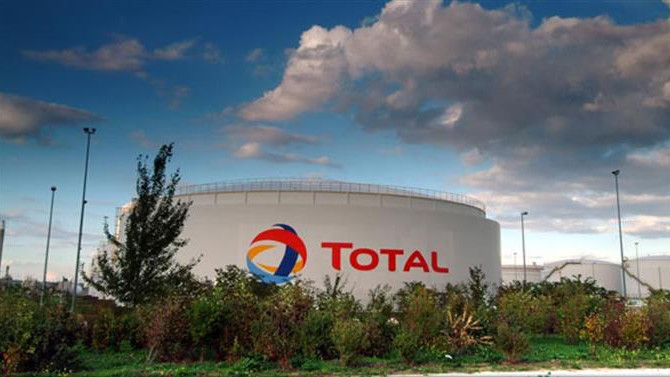
Over the past two decades, Europe has pursued ambitious clean energy policies with the goal of becoming climate-neutral by 2050, achieving renewable energy at roughly half its power mix compared to approximately 26% in the United States. However, the continent has aggressively reduced its oil refining capacity by shutting down about a quarter of its plants and cutting processing capacity by roughly 10% over 20 years, driven largely by strict environmental regulations and carbon penalties through mechanisms such as the EU Emissions Trading System and the Industrial Emissions Directive.
This strategy has created significant vulnerabilities, as Europe now relies heavily on imported refined products and faces exposure to geopolitical shocks. Recent energy crises stemming from conflicts in the Middle East and Ukraine have pushed natural gas prices to levels not seen since Russia’s 2022 invasion of Ukraine, adding more than €100 billion to the continent’s import bills. EU Energy Commissioner Dan Jørgensen characterized these disruptions as a “wake-up call” for the bloc’s energy security.
Central European nations including Poland, Czechia, and Slovakia have pressured Brussels to establish protective strategies for domestic refineries, arguing that overly strict climate rules risk leaving Europe dangerously dependent on foreign fuel supplies. These nations called for refineries to receive carbon leakage protections and access to EU funds for facility upgrades.
In response, the European Commission launched its first High-Level Dialogue with the oil refining sector, co-chaired by Commissioners Dan Jørgensen and Andrius Kubilius. The forum examined energy security, industrial competitiveness, and defense readiness, noting that EU refineries currently supply approximately 70% of jet fuel and 85% of diesel consumed across Europe. Commissioner Kubilius emphasized that fuel supplies are critical for military operations, particularly under NATO force readiness models requiring the deployment of 100,000 troops within ten days during a crisis.
The Commission announced plans to revise current regulations through the AccelerateEU framework to ensure strategic fuel stocks remain accessible for military operations and called for expansion of fuel infrastructure to support eastern flank resilience. The initiative also outlined a joint roadmap with industry on transitioning to alternative fuels such as biofuels and e-fuels, reflecting the ongoing tension between Europe’s defense requirements and its long-term climate transition goals.
Article Attribution | Read More at Article Source
Article summary produced by Claude AI