

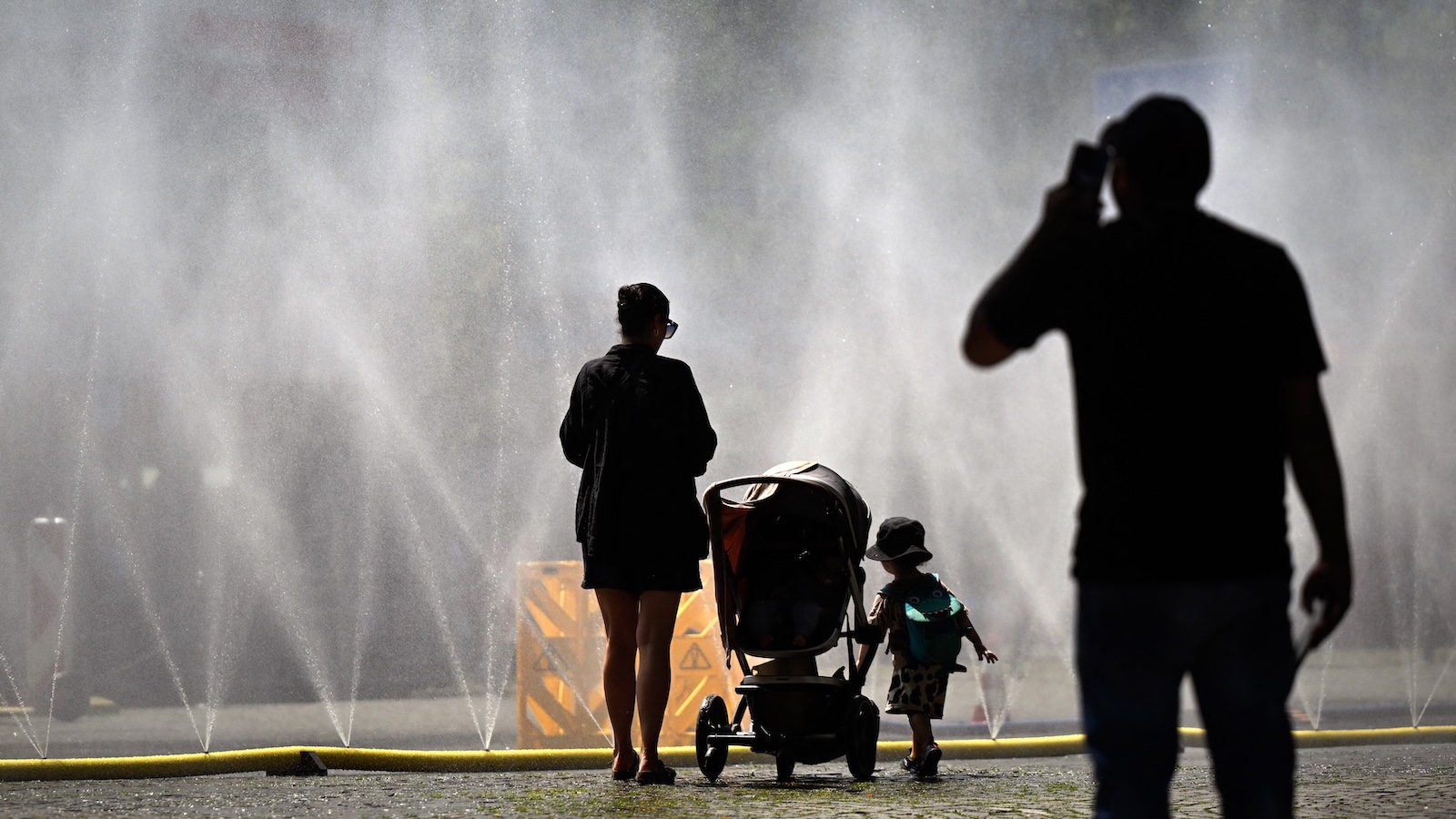
Climate researchers have completed an analysis of this summer’s heat impact across Europe, determining that the season resulted in more than 50,000 excess deaths in urban areas. The analysis, set to be published in the journal Nature Health next week, examined temperature data from 854 urban areas representing approximately 40 percent of the continent’s population. The findings indicate this summer substantially exceeded the deadliest previous records, with 2022 and 2003 each recording approximately 29,000 and 28,000 excess deaths respectively.
The continent experienced five consecutive heat waves beginning in May, with overall temperatures running approximately 5.2 degrees Fahrenheit above the 1991 to 2020 average. During an especially severe period from June 17 to July 1, daily average temperatures across the region exceeded the 30-year average by more than 9 degrees Fahrenheit. Researchers attributed roughly two-thirds of the recorded excess deaths to human-caused climate change, with warming making extreme heat events more frequent, intense, and sustained. The elderly population bore a disproportionate burden, with individuals over 65 accounting for approximately 44,000 of the total deaths identified in the modeling.
Geographic variations in heat impacts were notable, with southern and western Europe experiencing the most severe effects. Italy registered the highest number of modeled excess deaths at 13,303, followed by France at 7,268. Researchers highlighted that lower prevalence of air conditioning in Europe compared to the United States contributes to elevated vulnerability, as cooling systems have been shown to reduce heat-related fatalities by more than half. Experts indicated that the analysis methodology—comparing modeled outcomes with and without climate change—represents a standard approach for attributing extreme weather impacts to climatic factors.
Scientists emphasized the importance of expanding this type of analysis to other regions, particularly underrepresented areas such as Africa where populations experience significant heat impacts. Researchers noted that similar modeling could be applied to forecast temperatures to help authorities prepare advance mitigation strategies. The World Health Organization characterized the current year as a “dress rehearsal” for anticipated future conditions, underscoring the relevance of this research for policy development and public awareness regarding extreme heat preparedness.
Article Attribution | Read More at Article Source
Article summary produced by Claude AI