

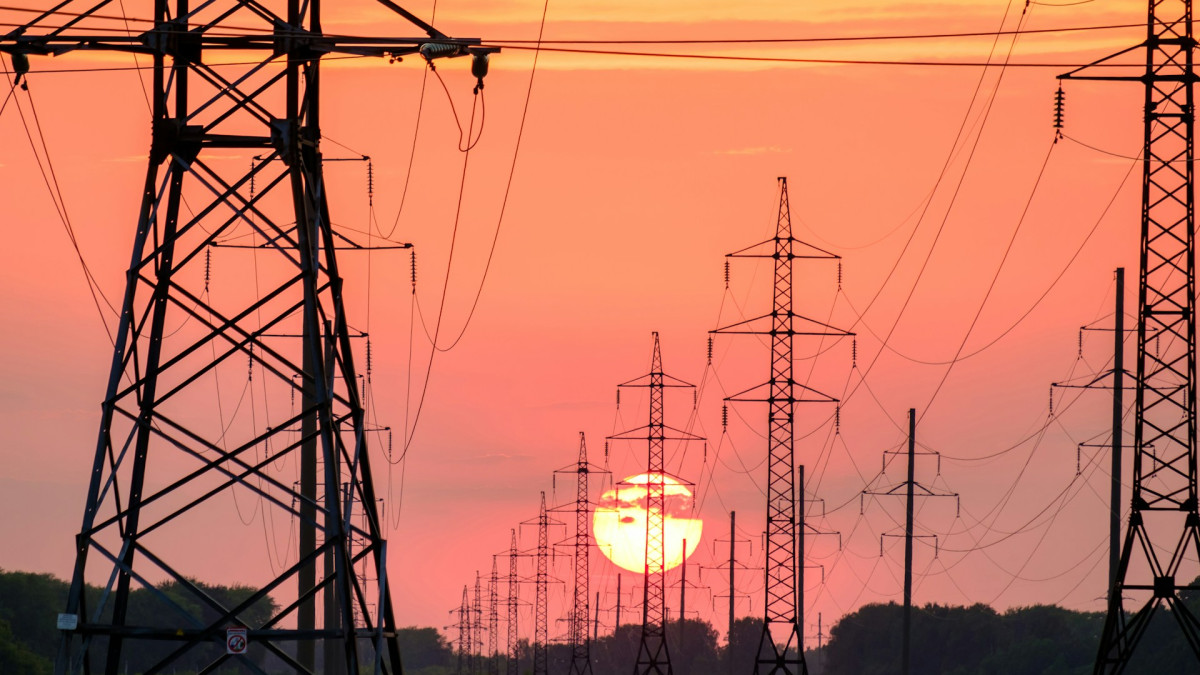
Europe is experiencing a significant mismatch between the rapid technological advancement of its energy sector and the slower pace of regulatory frameworks designed to oversee these changes. According to Elena Boskov-Kovacs, co-founder of Vienna-based Blueprint Energy Solutions, the core issue is not a lack of technology but rather the inability of policy systems to keep pace with grid digitalization. Solar installations, electric vehicles, heat pumps, and other distributed energy assets are connecting to low-voltage grids much faster than planning and regulatory processes were designed to accommodate, creating practical challenges for system operators including grid visibility problems, limited capacity, and congestion risks.
Europe’s vulnerability in the energy sector has been compounded by multiple crises in recent years. The continent has faced repeated supply chain disruptions stemming from geopolitical conflicts, including the aftermath of Russia’s invasion of Ukraine in 2022, shipping blockages affecting trade routes, and ongoing regional conflicts. These recurring crises have left European leaders struggling to balance immediate energy security concerns with longer-term strategic planning. The region has made substantial progress in developing alternative energy sources, including significant additions to solar capacity and growth in energy storage development, but questions remain about whether the infrastructure has been adequately prepared for rapid electrification and digitalization.
Artificial intelligence presents both a challenge and a potential solution to grid management issues. While AI’s increasing energy demands contribute to strain on the system, advanced AI models can detect vulnerabilities, predict grid problems, and optimize the complex flows of intermittent renewable energy. More accurate forecasting and optimization through AI could reduce unnecessary congestion and improve existing network efficiency, potentially freeing up utility budgets for critical infrastructure reinforcement. Boskov-Kovacs contends that the European Union’s energy strategy must now focus on strategically deploying AI while simultaneously strengthening cybersecurity measures and updating infrastructure to support faster technology integration and connection. The transformation of the energy sector is already underway and cannot be reversed through regulation alone, placing responsibility on European authorities to adapt their oversight mechanisms accordingly.
Article Attribution | Read More at Article Source
Article summary produced by Claude AI