

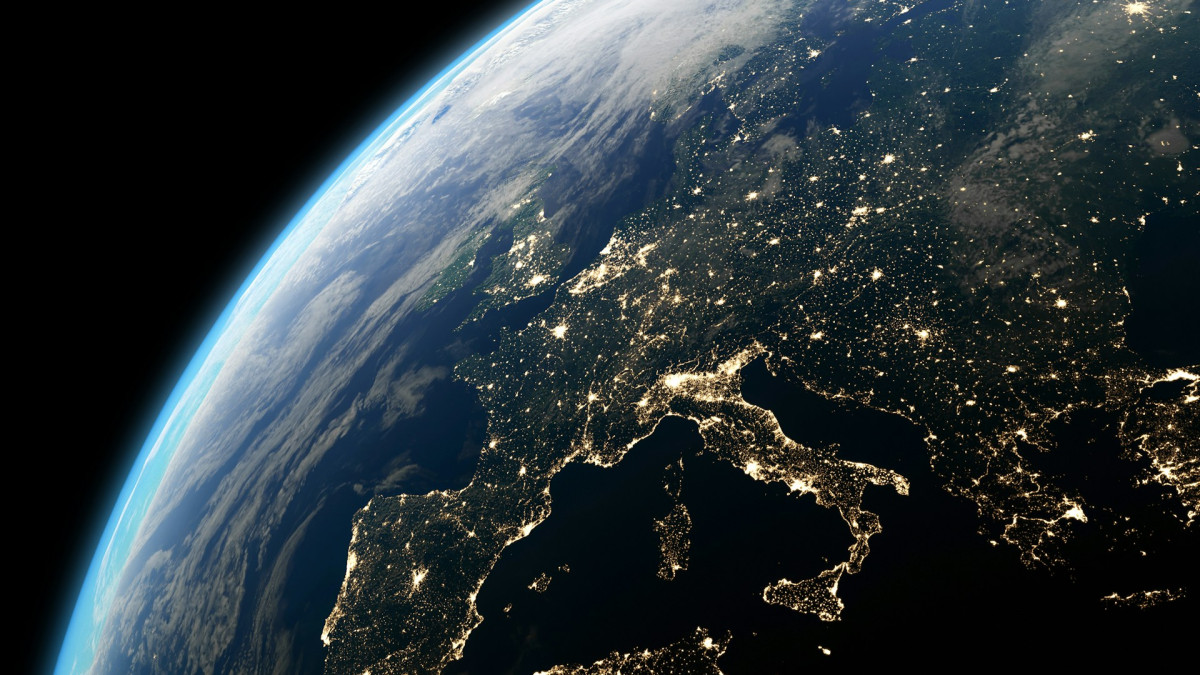
Europe faces continued energy challenges as natural gas prices remain elevated across the continent heading into the winter months. The current crisis represents the third major energy disruption in four years, stemming from geopolitical instability and ongoing reliance on imported liquefied natural gas. Earlier this year, a conflict involving the United States and Israel triggered disruptions affecting approximately one-fifth of global oil and gas trade, intensifying Europe’s vulnerabilities.
The financial equation governing energy production has shifted dramatically. Coal-fired power generation has become more cost-effective than gas-fired generation for the first time in several years, with natural gas prices recently reaching their highest levels in three years, exceeding €80 per megawatt hour. This price differential is expected to persist through next year and potentially into March 2028, according to market analysts, due to persistent supply constraints.
The cost advantage has prompted several European nations, particularly Germany, to increase reliance on coal despite long-standing policy commitments to phase out the fuel. However, structural limitations constrain coal’s potential expansion. The European Union’s coal-fired generating capacity has declined substantially, dropping from over one-third of electricity production in 1990 to approximately 9.2 percent by 2025. This infrastructure depletion limits how much coal can offset gas shortages.
Globally, the picture differs markedly. Coal remains the world’s largest power generation source, and developing economies across Asia continue expanding coal capacity. The same region experienced the most severe impacts from recent supply disruptions affecting the Strait of Hormuz.
Parallel to coal’s resurgence, renewable energy capacity is expanding significantly worldwide. Proponents emphasize that wind and solar resources offer strategic advantages, as they cannot be subject to embargoes or external disruptions by hostile powers. This dual trajectory reflects European efforts to balance immediate energy security needs with longer-term climate and resilience objectives.
Article Attribution | Read More at Article Source
Article summary produced by Claude AI