

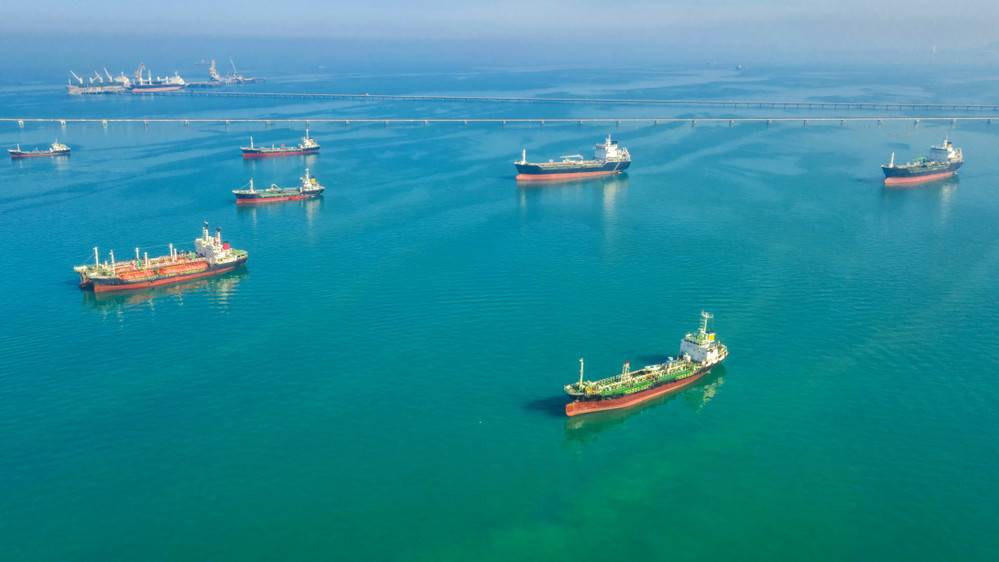
In July, the European Commission introduced a revision to the European Union’s Emissions Trading System designed to narrow the price gap between conventional marine fuels and sustainable alternatives. The proposal establishes the Sustainable Maritime Alternative Propulsion (SMAP) mechanism, which would allocate up to 110 million allowances for the period between 2028 and 2040. This initiative works alongside existing regulations, including the FuelEU Maritime requirement and the revised Renewable Energy Directive sustainability rules, to reshape the competitive landscape of marine fuels in European waters.
Under the proposed SMAP framework, support levels vary by fuel type. The mechanism would cover 55% of the remaining price gap for biogas and advanced biofuels, while renewable fuels of non-biological origin such as e-ammonia and e-methanol receive 90% coverage, with an additional 10 percentage points when feedstock originates within the EU. The subsidy scales with the cost differential, meaning the most expensive alternative fuels receive the highest per-tonne support. Analysis indicates that when SMAP is combined with FuelEU Maritime credits and ETS allowances, bioLNG would fall below the cost of very low sulfur fuel oil on intra-EU voyages, strengthening the business case for liquefied natural gas-powered vessels. EU-produced e-ammonia could theoretically become the cheapest fuel option on these routes, though current ship availability and production capacity remain limited.
The proposal creates significant disparities in treatment across fuel categories. Liquid biofuels derived from used cooking oil and animal fats, despite meeting all EU sustainability criteria and earning credits under existing systems, fall outside SMAP’s eligible feedstock list under the Renewable Energy Directive. This exclusion is particularly consequential given that waste lipids are projected to represent approximately 96% of Europe’s biodiesel production capacity by 2030, leaving minimal supply eligible for the new subsidies. Competition from aviation’s sustainable fuel mandate further constrains available waste-oil resources for shipping.
The fixed annual budget of approximately $900 million means support levels remain uncertain until after each year concludes, as funding becomes proportionally reduced if demand exceeds available resources. Additionally, supply constraints exist for certain fuels—bioLNG support depends on mass balance rules limiting supplies to bunkers from grid-connected EU liquefaction facilities. The proposal continues negotiations with the European Parliament and European Council, where final rules could be narrowed or adjusted to prevent overcompensation. Industry observers note that shipowners operating LNG dual-fuel vessels and those investing early in e-fuel technologies are positioned to gain most from the combined regulatory framework, while operators relying on waste-oil biodiesel face a widening cost disadvantage in European trades.
Article Attribution | Read More at Article Source
Article summary produced by Claude AI