

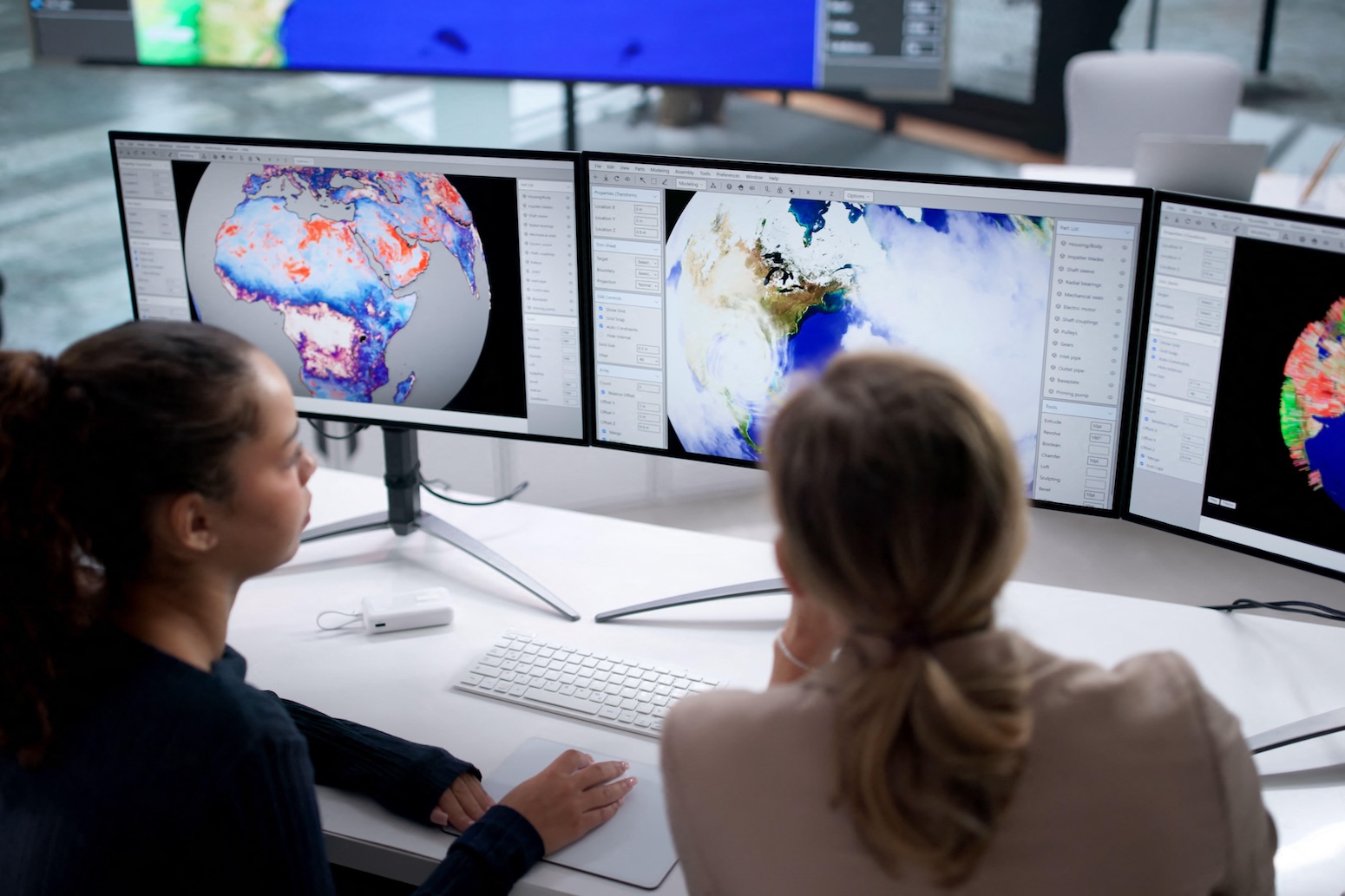
Artificial intelligence is being rapidly adopted across climate science research to accelerate understanding of global warming and environmental changes. The technology is being applied in multiple domains, from operational weather prediction to analysis of satellite imagery and climate projections.
AI weather-prediction models represent one of the most significant recent advances, learning from large volumes of historical weather data to generate forecasts up to two weeks in advance while requiring substantially less computational power than traditional numerical models. Major forecasting centers have begun deploying these systems operationally. However, challenges persist in extending these approaches to longer-term climate predictions, where scientists must project conditions beyond the range of existing observational data. Researchers are exploring hybrid approaches that combine machine-learning techniques with physics-based models to maintain scientific rigor while improving efficiency and accessibility of climate risk information.
Beyond weather forecasting, AI is being deployed to process massive amounts of satellite imagery for environmental monitoring. Machine-learning algorithms automatically detect industrial methane leaks from space, track illegal logging and land-use changes, and monitor glacier retreat across the globe. In polar research, deep-learning systems have demonstrated capability to outperform traditional physical models in seasonal Arctic sea ice forecasting and are being used to predict variables including ice concentration, thickness and drift patterns.
The technology does present significant challenges that the climate research community is actively working to address. AI systems tend to underperform on record-breaking extreme weather events, which are precisely the phenomena most critical for adaptation planning. Questions also remain about how to reliably train AI models to predict future climate states for which observational data does not exist. Additional concerns include risk of overreliance on unverified results, the energy demands of running large AI systems, and potential for the technology to exacerbate existing inequalities in climate science capabilities across different regions and institutions.
Article Attribution | Read More at Article Source
Article summary produced by Claude AI