

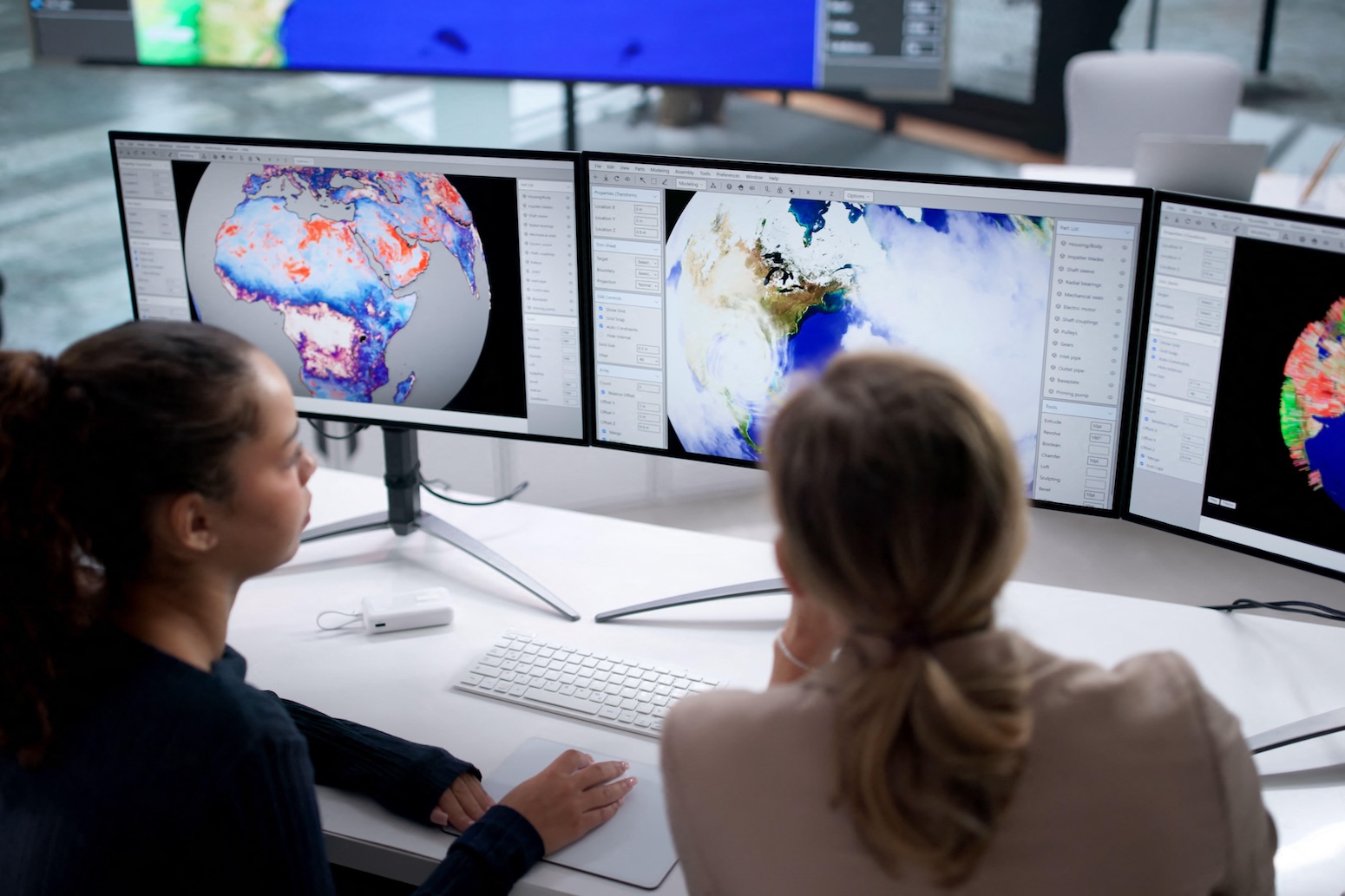
Artificial intelligence is becoming integral to climate science research across multiple applications, from weather prediction to satellite imagery analysis, according to experts in the field. AI systems have demonstrated particular success in weather forecasting, with machine-learning models now competitive with traditional numerical weather prediction systems used by major meteorological organizations. These AI-driven forecasts require substantially less computing power than conventional approaches while delivering accurate predictions for timeframes extending up to two weeks.
However, scientists note significant limitations when applying AI to climate science specifically. While AI excels at weather prediction using historical data, climate projections require forecasting conditions that fall outside existing observational records, creating a fundamental challenge for purely data-driven approaches. Researchers suggest hybrid models that combine AI with traditional physics-based methods may offer a more reliable path forward, potentially making climate risk assessments more accessible and affordable while maintaining the scientific rigor underlying climate projections.
Beyond forecasting, AI is proving valuable for processing vast quantities of Earth observation satellite data. Machine-learning algorithms automatically detect industrial methane leaks from space, monitor deforestation and glacier retreat, and track sea ice characteristics including concentration, thickness, and drift patterns. These applications translate raw satellite imagery into actionable climate intelligence in near real-time.
Despite these advances, substantial obstacles remain. AI weather prediction models tend to underperform compared to physics-based systems when forecasting record-breaking weather extremes—precisely the events most critical for climate adaptation efforts. Researchers are actively exploring solutions through hybrid approaches, implementing physical constraints based on scientific laws, and developing new evaluation methods to improve model performance on unprecedented scenarios. The broader climate science community continues working to overcome the central challenge of building reliable AI systems for predicting climates and conditions never previously observed.
Article Attribution | Read More at Article Source
Article summary produced by Claude AI