

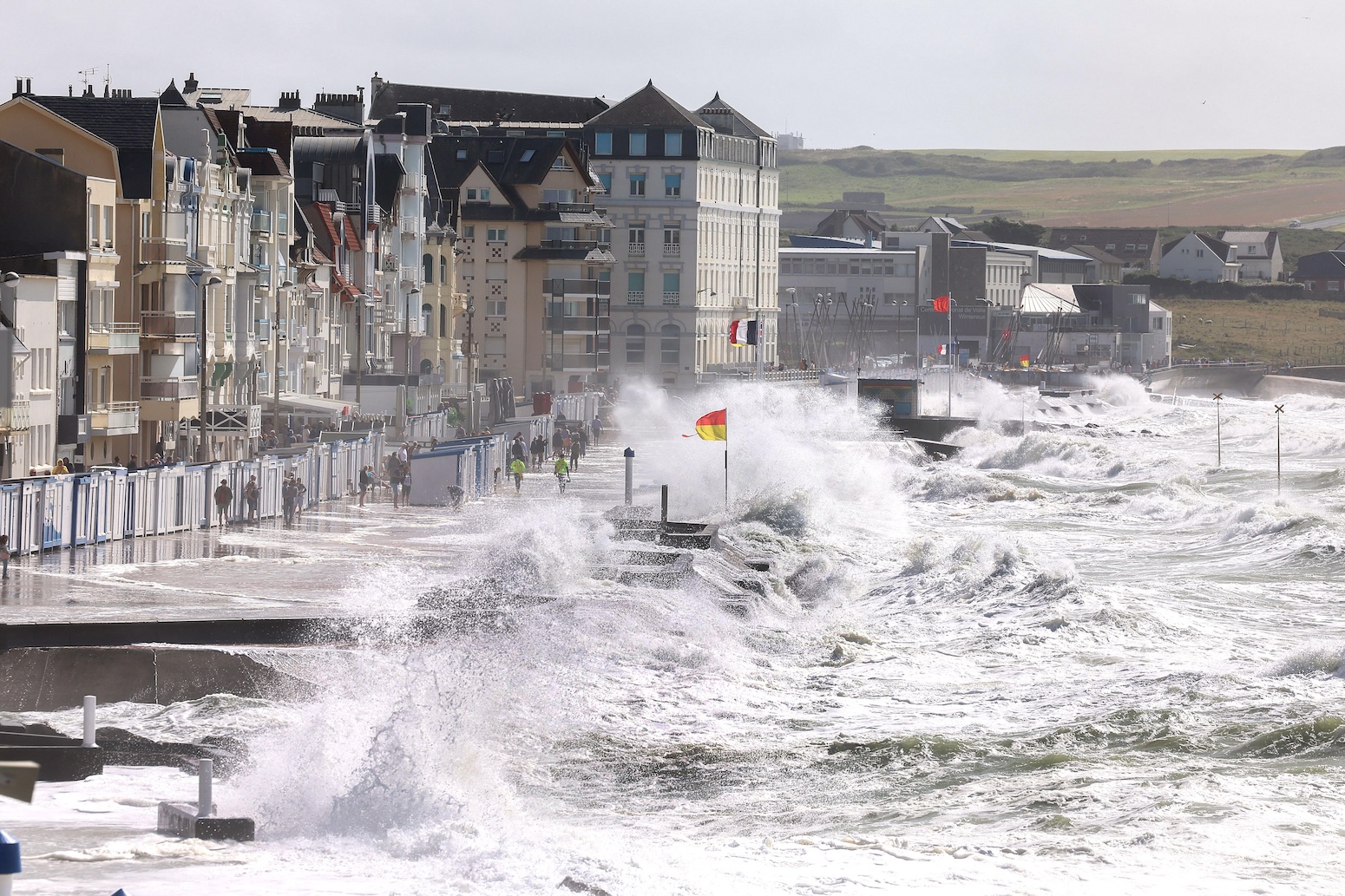
Global sea levels are rising faster than at any point in the past three millennia, driven predominantly by human activity since at least 1970. Ocean levels increased by an average of 20 centimeters between 1901 and 2018, with the rate of increase accelerating in recent decades. Since 1993 alone, levels have risen 10.6 centimeters. Scientists project an additional 56 centimeters of rise by 2100 under moderate-emissions scenarios, measured relative to 1995-2014 baselines. This week at the UN general assembly in New York, world leaders are set to adopt a high-level declaration recognizing sea level rise as an existential threat rather than a distant concern.
Approximately 770 million people—roughly 10 percent of the global population—face acute risk from rising seas, according to a UN secretary general report released last month. Those at risk live in areas less than five meters above high-tide lines and include residents of major cities such as Mumbai, Kolkata, Shenzhen and Guangzhou, as well as the entire populations of numerous island nations. The impacts manifest through increased persistent flooding, strengthened storm surges, beach and cliff erosion, and elevated coastal water tables that compound flood vulnerability. The frequency of extreme sea level events has increased 12-fold since 1900, with projections suggesting these events may occur annually or more frequently in many locations by century’s end. Critical infrastructure, including water and wastewater systems, faces mounting vulnerability, with impacts falling disproportionately on low-income and marginalized communities.
Costal development continues accelerating despite growing risks. Between 2000 and 2018, the global population increased by 23 percent, while the coastal population within 5 kilometers of shorelines grew by 28 percent. Annual flooding losses in the world’s 136 largest coastal cities could reach $52 billion by 2050, compared to $6 billion in 2005. Local factors including seismic and volcanic activity, groundwater extraction and land subsidence amplify relative sea level rise in specific regions. Jakarta, Indonesia exemplifies this challenge, sinking approximately 15 centimeters annually over the past decade due to groundwater overextraction.
Communities worldwide have implemented adaptive measures ranging from technological solutions to nature-based approaches. Venice completed a floodgate system in 2003 that was first activated in October 2020 and subsequently deployed 48 additional times within two years. Other strategies include constructing seawalls, restoring mangrove forests and marshes, restricting high-risk development and relocating residents and infrastructure inland. However, even under low-emissions scenarios, existing protections may be breached ten times more frequently over the next 30 years. Coastal ecosystems face destruction through a process termed “coastal squeeze,” where natural habitats blocked by human infrastructure cannot shift inland as sea levels rise, contributing to widespread wetland loss globally.
Article Attribution | Read More at Article Source
Article summary produced by Claude AI