

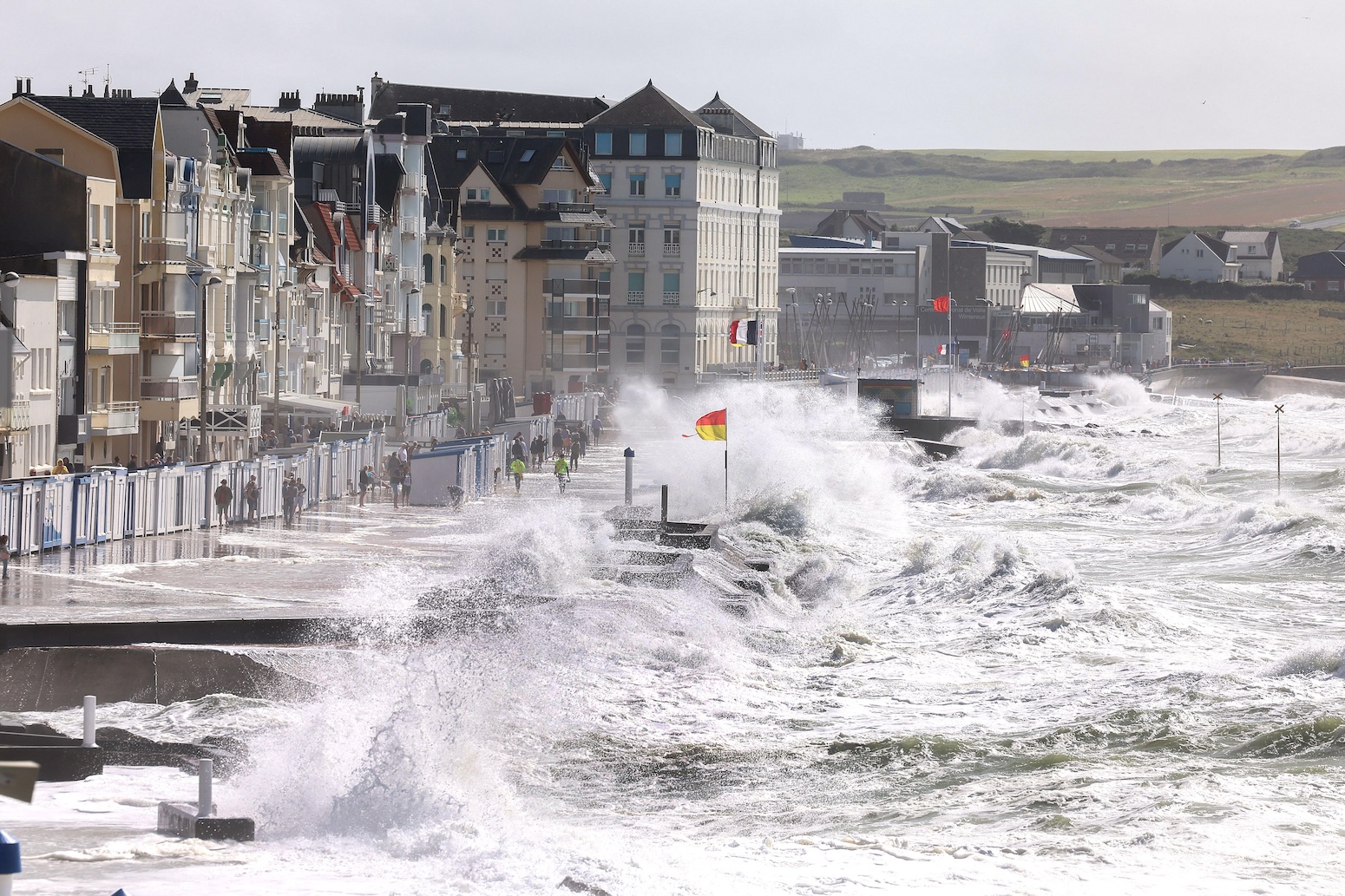
Global sea levels are rising at unprecedented rates, with the world’s oceans climbing an average of 20 centimeters between 1901 and 2018, accelerating to 10.6 centimeters since 1993. Human activity has been identified as the dominant cause of this rise since at least 1970, driven by glacial and ice sheet melting combined with seawater expansion from warming temperatures. Under moderate emissions scenarios, scientists project an additional 56 centimeters of rise by 2100 relative to baseline measurements from 1995 to 2014.
Approximately 770 million people—roughly 10 percent of the global population—currently face acute risk from sea level rise, including residents of major metropolitan areas such as Mumbai, Kolkata, Shenzhen and Guangzhou, as well as entire populations of island nations. The impacts manifest through increased persistent flooding, intensified storm surges, coastal erosion and saltwater intrusion into agricultural lands. Extreme sea level events that historically occurred once per century have increased in frequency 12-fold since 1900 and are projected to occur annually or more frequently in many locations by century’s end.
Critical infrastructure systems including water supply and wastewater management face mounting vulnerability, with low-income and marginalized communities experiencing disproportionate harm. Vertical land motion from subsidence and geological activity compounds the threat in certain regions, particularly in East and Southeast Asia. Jakarta exemplifies this challenge, having subsided up to 15 centimeters annually over the past decade due to groundwater extraction.
Coastal populations continue to expand despite rising risks, with coastal growth outpacing inland development between 2000 and 2018. Projected annual losses from flooding in 136 major coastal cities could reach $52 billion by 2050, compared to $6 billion in 2005. Adaptation strategies range from technological solutions such as Venice’s floodgate system to ecosystem restoration, seawall construction and managed retreat, though experts caution that existing protections may prove insufficient under many climate scenarios.
Article Attribution | Read More at Article Source
Article summary produced by Claude AI