

Global sea levels are rising faster than at any point in at least three thousand years, with human activity identified as the dominant cause since 1970. The world’s oceans have risen an average of 20 centimeters between 1901 and 2018, accelerating dramatically to 10.6 centimeters since 1993. Under moderate-emissions projections, scientists forecast an additional 56 centimeters of rise by 2100 relative to baseline measurements from 1995-2014.
Approximately 770 million people, representing about 10 percent of the global population, face acute risk from sea level rise according to a UN secretary general report released last month. At-risk populations include residents of major metropolitan areas such as Mumbai, Kolkata, Shenzhen and Guangzhou, as well as the entire populations of numerous island nations. The threat manifests differently depending on location, with local sea level rise varying from global averages due to factors including land subsidence, ocean circulation patterns and gravitational effects from melting ice sheets.
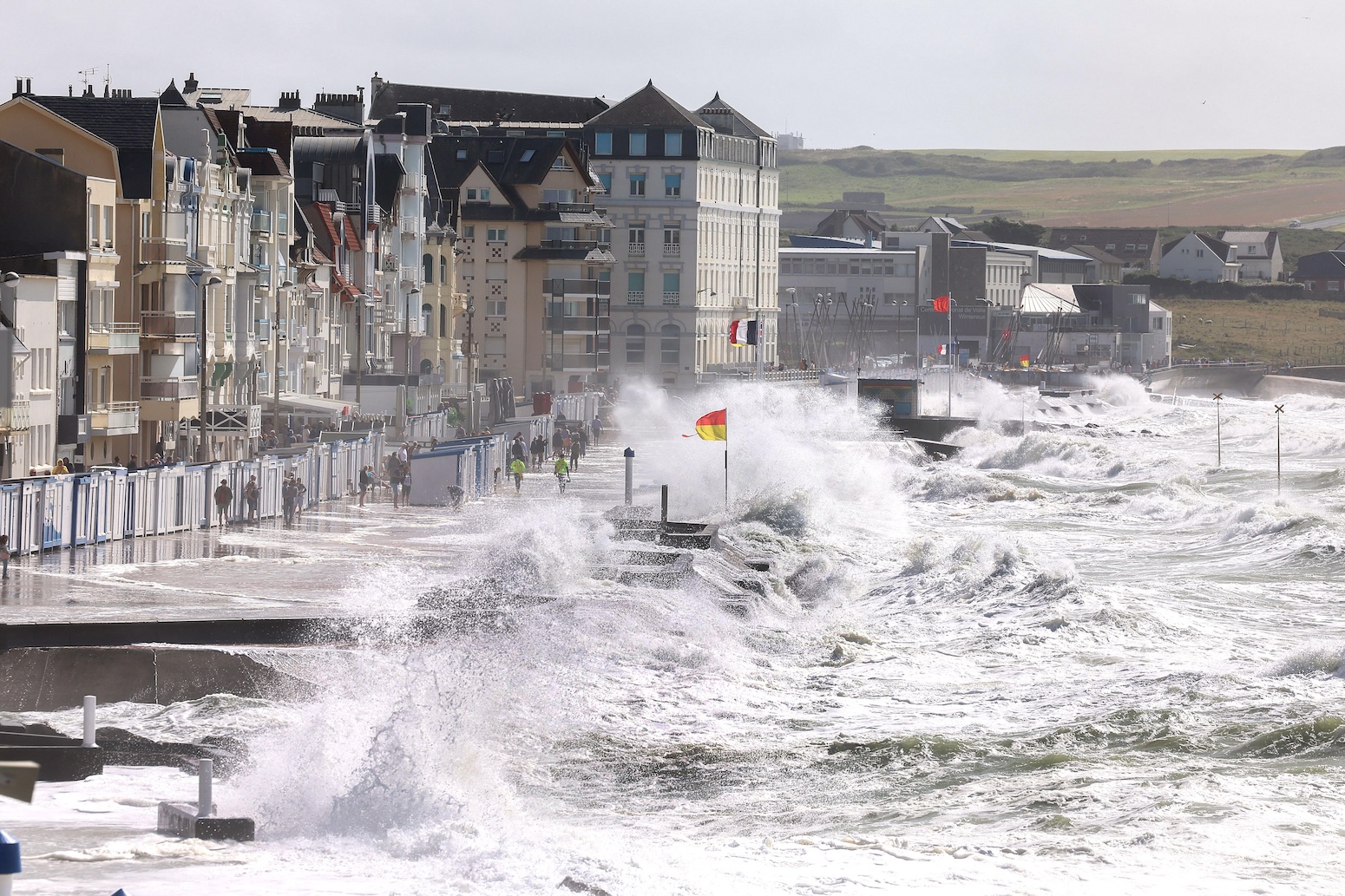
Coastal communities face multiple hazards from elevated sea levels, including persistent flooding, amplified storm surge damage, beach erosion and saltwater intrusion affecting agricultural productivity. The frequency of extreme sea level events has increased twelvefold since 1900, and under moderate-emissions scenarios, these historically rare occurrences are projected to become annual or more frequent occurrences by century’s end in many locations. Critical infrastructure including water systems and wastewater facilities faces escalating vulnerability, with low-income and marginalized groups experiencing disproportionate impacts.
Despite growing risks, coastal populations continue expanding faster than inland areas, with coastal residents increasing 28 percent between 2000 and 2018 compared to global population growth of 23 percent. Annual flooding losses in the world’s 136 largest coastal cities could reach $52 billion by 2050, up from $6 billion in 2005. Communities worldwide have implemented adaptive measures ranging from technological solutions like Venice’s tidal barriers to ecosystem-based approaches including mangrove restoration and managed relocation programs, though existing protections may prove insufficient under continuing sea level rise scenarios.
Article Attribution | Read More at Article Source
Article summary produced by Claude AI