

Global sea levels are rising at unprecedented rates, with oceans currently ascending faster than any point in the past three millennia, according to scientific assessments. The phenomenon is primarily driven by human activity, which has been the dominant cause since at least 1970. Between 1901 and 2018, average global sea levels increased by 20 centimetres, though the rate has accelerated significantly in recent decades, rising 10.6 centimetres since 1993. Under moderate-emissions projections, scientists anticipate an additional 56 centimetres of rise by 2100.
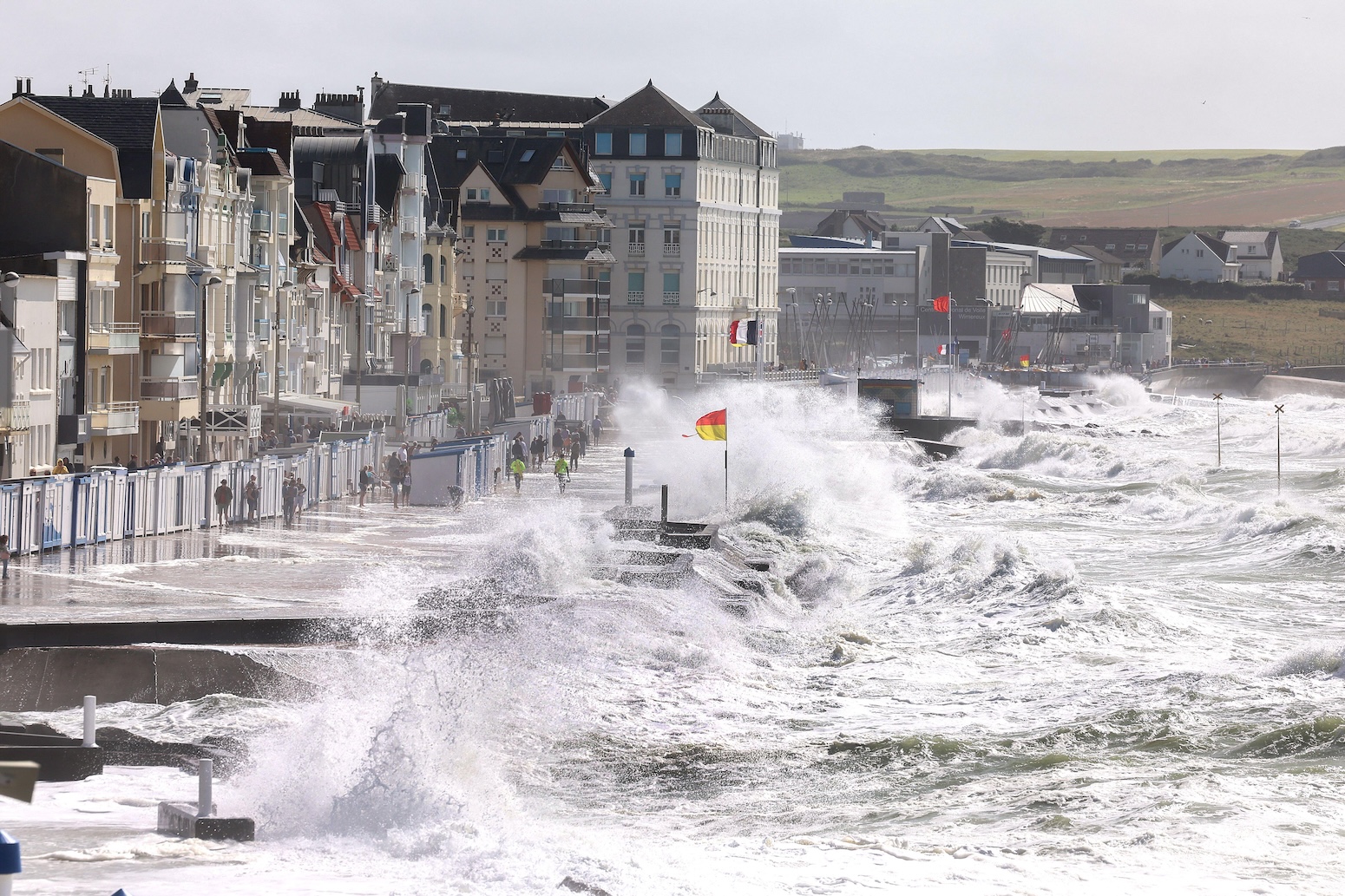
The impact is already reshaping societies and economies across the globe. Approximately 770 million people—roughly 10 percent of the world’s population—face acute risk from sea level rise, defined as residing less than five metres above the high-tide line. This population includes residents of major metropolitan areas such as Mumbai, Kolkata, Shenzhen, and Guangzhou, as well as entire populations of island nations. Beyond human populations, the consequences include increased persistent flooding, intensified storm surges, beach and cliff erosion, and saltwater intrusion into agricultural lands. The frequency of extreme sea level events has increased dramatically, rising 12-fold since 1900, and such occurrences are projected to become annual or more frequent in many locations by century’s end.
Vertical land motion compounds these risks in certain regions. Cities like Jakarta experience dramatic subsidence—sinking up to 15 centimetres annually—due to groundwater extraction and aquifer collapse, amplifying the local effects of rising oceans. Meanwhile, coastal population growth continues to outpace inland growth, with populations within 5 kilometres of coasts increasing 28 percent between 2000 and 2018. This expansion into vulnerable areas escalates economic exposure, with projected annual losses from flooding in major coastal cities potentially reaching $52 billion by 2050.
Communities worldwide have initiated adaptive responses, ranging from technological interventions like Venice’s floodgate system to ecosystem-based approaches including mangrove restoration and relocation strategies. Nevertheless, experts caution that existing protections may prove insufficient, potentially being breached ten times more frequently over the next three decades under low-emissions scenarios. Additionally, “coastal squeeze”—where ecosystems cannot retreat inland due to human infrastructure—is driving widespread destruction of wetlands and other critical coastal habitats, compounding environmental losses.
Article Attribution | Read More at Article Source
Article summary produced by Claude AI