

Matthew Mayich, a 21-year-old hockey player and St. Louis Blues prospect, collapsed during his first official practice with Arizona State University in Tempe on August 20. During a workout led by a guest trainer in temperatures approaching 90 degrees Fahrenheit, Mayich struggled during a medicine ball running exercise, stumbled, and fell. Athletic staff provided initial treatment with ice and cool water before paramedics transported him to the hospital, where he remains in critical condition with a diagnosis of exertional heat stroke, according to his family’s attorney.
The incident has sparked controversy surrounding the training session’s conditions and the university’s adherence to safety protocols. Seven of Mayich’s teammates submitted an anonymous letter through their attorney alleging the workout lasted 75 minutes rather than the reported 45 minutes and that required safety measures were absent, including an immersion tub, ice chests, on-field heat measurement, and scheduled shaded breaks. They further claimed the session continued despite visible signs of distress among participants. The university declined interviews, and the head coach was placed on paid leave more than a month after the incident.
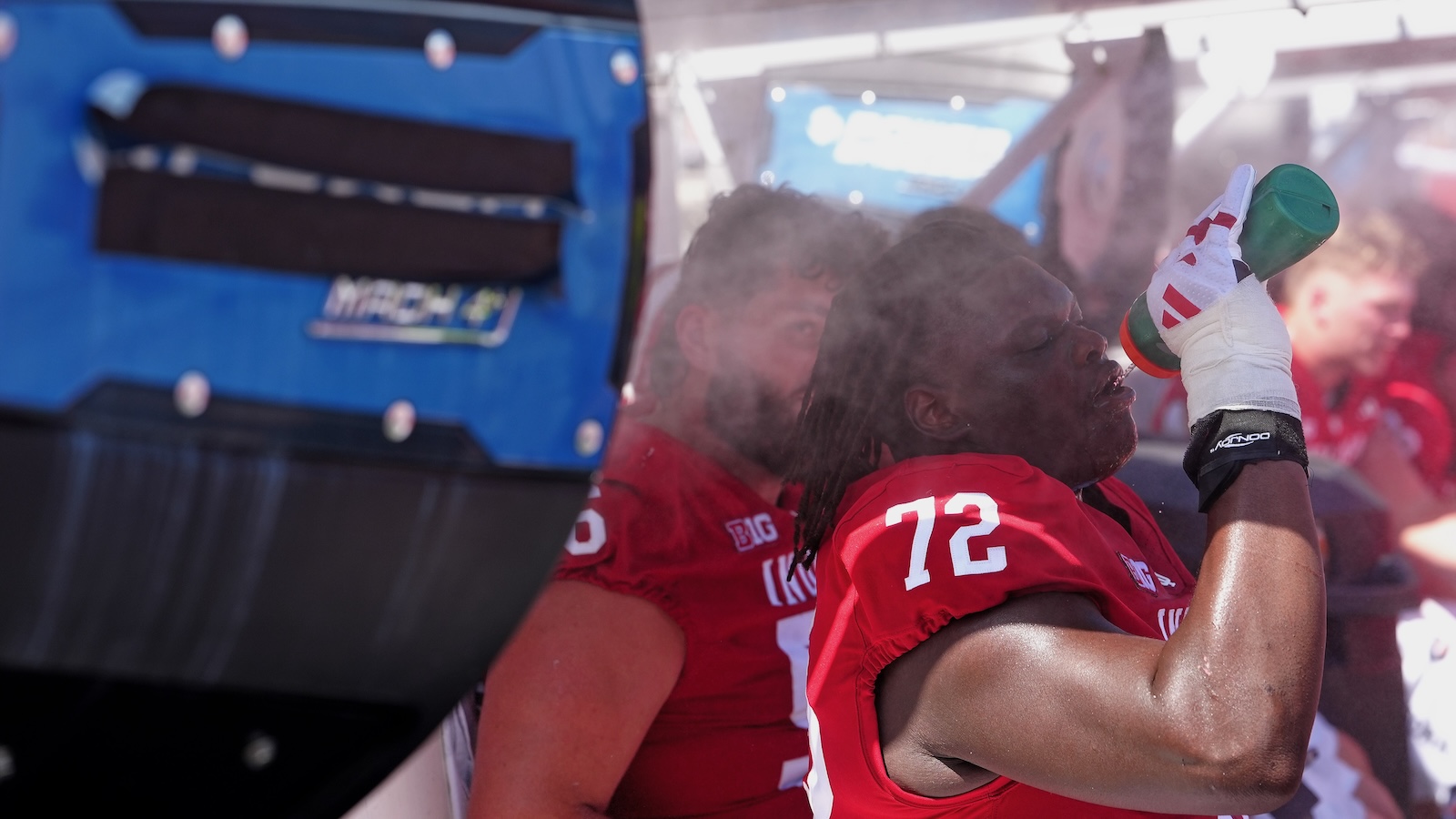
Mayich’s case reflects a broader pattern of heat-related athletic injuries and fatalities. His hospitalization occurred approximately 25 years after NFL player Korey Stringer died of heat stroke during Minnesota Vikings training camp. While the Korey Stringer Institute at the University of Connecticut, established to advance athlete safety, reports progress in heat illness prevention, exercise physiologist Doug Casa notes that consistent implementation of established best practices remains inconsistent across organizations. A University of Iowa band member similarly collapsed and died the week following Mayich’s hospitalization during a football game in temperatures exceeding 90 degrees.
Experts attribute increasing heat-related risks to climate change, which has intensified and prolonged extreme temperature events, alongside the expansion of synthetic turf fields that absorb and retain significantly more heat than natural grass. Policy responses vary widely, with some jurisdictions like Georgia implementing effective protections that substantially reduced heat-related deaths, while others maintain minimal requirements. Casa observed that although appropriate protocols are generally known, organizations frequently fail to implement them during actual practice situations.
Article Attribution | Read More at Article Source
Article summary produced by Claude AI