

Matthew Mayich, a 21-year-old hockey player and St. Louis Blues prospect, collapsed during an Arizona State University practice at Sun Angel Stadium in Tempe on August 20. The conditioning session began in mid-80-degree temperatures and included intense exercises such as push-ups, planks, sprints, and buddy-carries led by guest trainer Tim Ziesel. As temperatures climbed toward 90 degrees, Mayich struggled during a medicine ball running exercise, fell multiple times, and became unresponsive. Athletic staff provided initial treatment with ice and water before paramedics transported him to the hospital, where he remains in critical condition. His family’s attorney characterized his condition as exertional heat stroke, though the diagnosis could not be independently verified.
A dispute has emerged regarding the workout’s severity and duration. While university officials characterized the session as lasting 45 minutes, seven anonymous teammates claimed it extended to 75 minutes and alleged that standard heat safety precautions were absent, including the lack of an immersion tub, ice chests, on-field temperature measurement, and scheduled shade breaks. The teammates also reported observing signs of distress among participants before Mayich’s collapse. Following an anonymous letter from teammates sent through their attorney in late September, Arizona State placed head coach Greg Powers on paid leave more than a month after the incident. University officials and Ziesel’s attorney declined detailed comment, with Ziesel’s lawyer characterizing media descriptions of the workout as exaggerated.
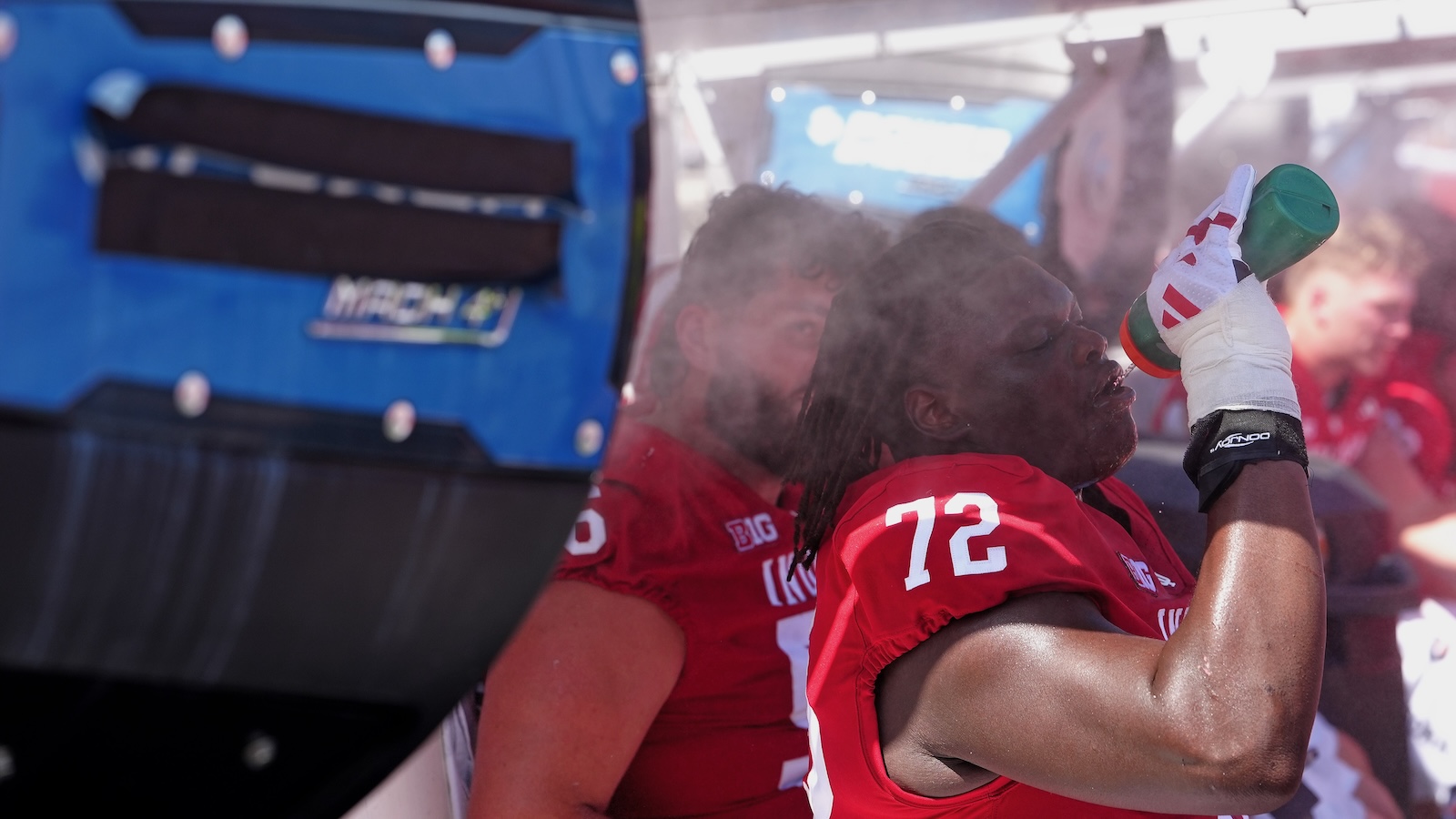
Mayich’s case joins a long history of heat-related athletic tragedies, most notably the death of NFL player Korey Stringer approximately 25 years before Mayich’s hospitalization. Exertional heat stroke, a life-threatening condition where the body cannot adequately cool itself, remains a leading preventable cause of sports-related deaths. Exercise physiologist Doug Casa, CEO of the Korey Stringer Institute, noted that while progress has been made in understanding heat safety, implementation remains inconsistent. The risk of heat-related incidents has intensified due to climate change increasing the frequency and intensity of extreme temperatures, and the shift from grass to synthetic turf fields that absorb and retain greater heat.
The policy landscape regarding heat safety reveals significant gaps in athlete protection. Some jurisdictions, including Georgia high schools, have implemented comprehensive policies that substantially reduced heat-related deaths. However, many organizations rely on vague recommendations lacking consistent enforcement. Additionally, policies often focus exclusively on athletes while neglecting non-athletes exposed to identical conditions. The situation was underscored when University of Iowa band member Derek Phillips collapsed and died during a football game the week after Mayich’s hospitalization in temperatures exceeding 90 degrees, highlighting how heat-related risks extend beyond traditional athletic contexts.
Article Attribution | Read More at Article Source
Article summary produced by Claude AI