

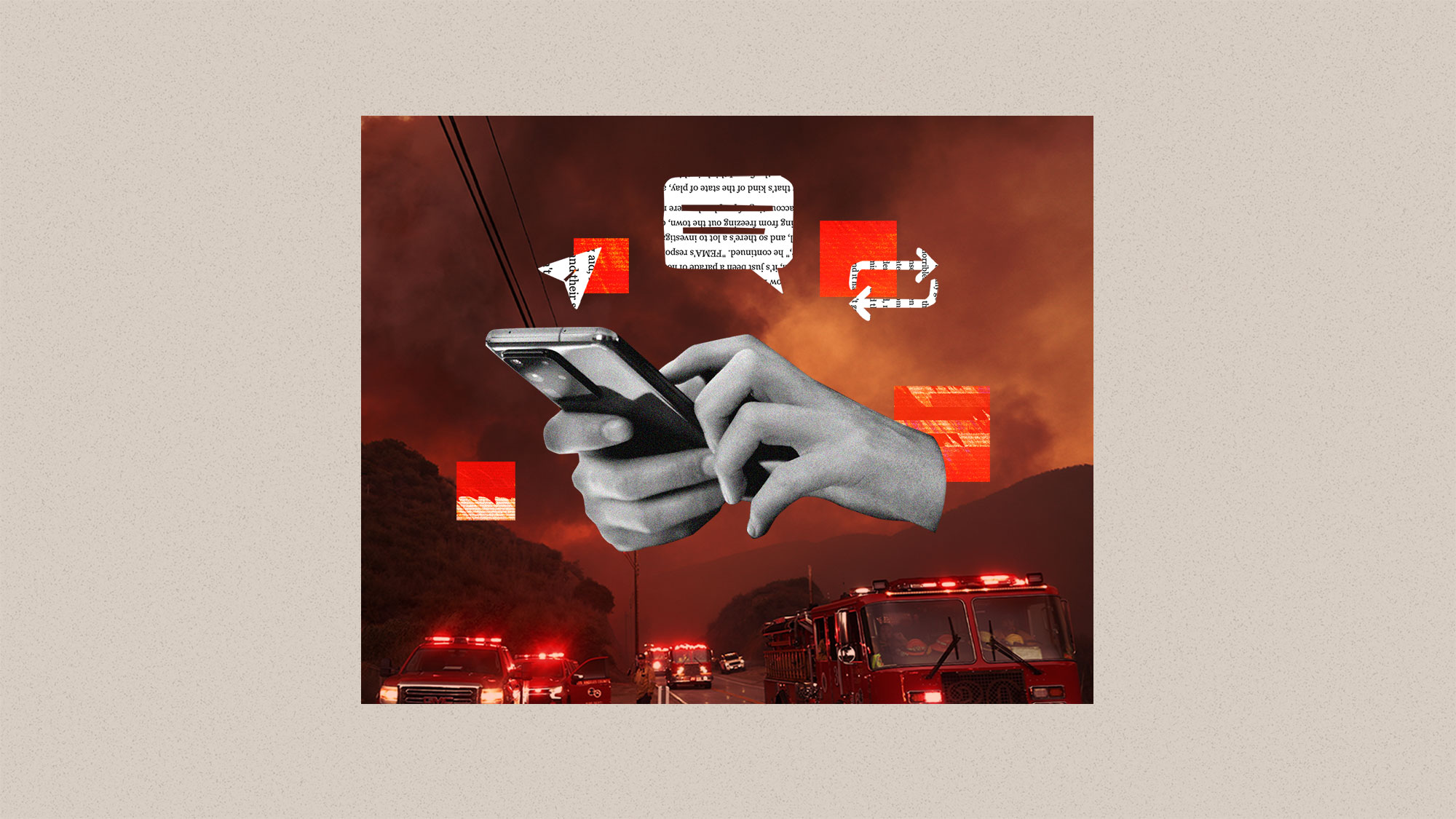
Extreme weather disasters are occurring with increasing frequency as climate change accelerates, creating chaotic conditions where misinformation spreads rapidly. The 2023 Maui wildfires demonstrated this problem when thousands of social media users circulated conspiracy theories about the fires’ origins, including claims involving “direct energy weapons” and plots to develop smart cities, despite evidence pointing to a broken power pole as the cause. Chinese-linked accounts simultaneously promoted theories about weather weapons, while others made unfounded allegations about government property seizures.
The convergence of multiple factors has created what experts describe as ideal conditions for false information to flourish during disasters. Social media platforms have largely abandoned content moderation efforts, the information landscape has become increasingly fragmented, government agencies face staffing constraints, and generative AI has introduced new ways to generate and spread unverified information. Research from the News Literacy Project indicates that a majority of teenagers encounter conspiracy theories on social media, and most of those who encounter such theories tend to believe them.
The consequences extend beyond confusion. Studies have documented tangible harms resulting from post-disaster misinformation, including unnecessary mass evacuations caused by inaccurate information, decreased public trust in government institutions, misallocation of emergency resources, and overwhelmed emergency services that become distracted from genuine needs. A Department of Homeland Security study found that an incorrect flood map shared during a 2017 California incident triggered an avoidable evacuation, while research from the Inter-American Development Bank documented an 11 percent drop in government trust following misinformation spread after a Mexican earthquake.
Emergency management experts note that disaster victims face urgent information needs but lack reliable data sources, creating a vacuum where rumors thrive. Federal agencies increasingly attempt to counter misinformation through fact-checking websites, though their effectiveness remains uncertain. The distinction between unintentional misinformation and deliberate disinformation has become difficult to establish, and determining what constitutes truth can depend heavily on individuals’ existing beliefs and attitudes.
Article Attribution | Read More at Article Source
Article summary produced by Claude AI