

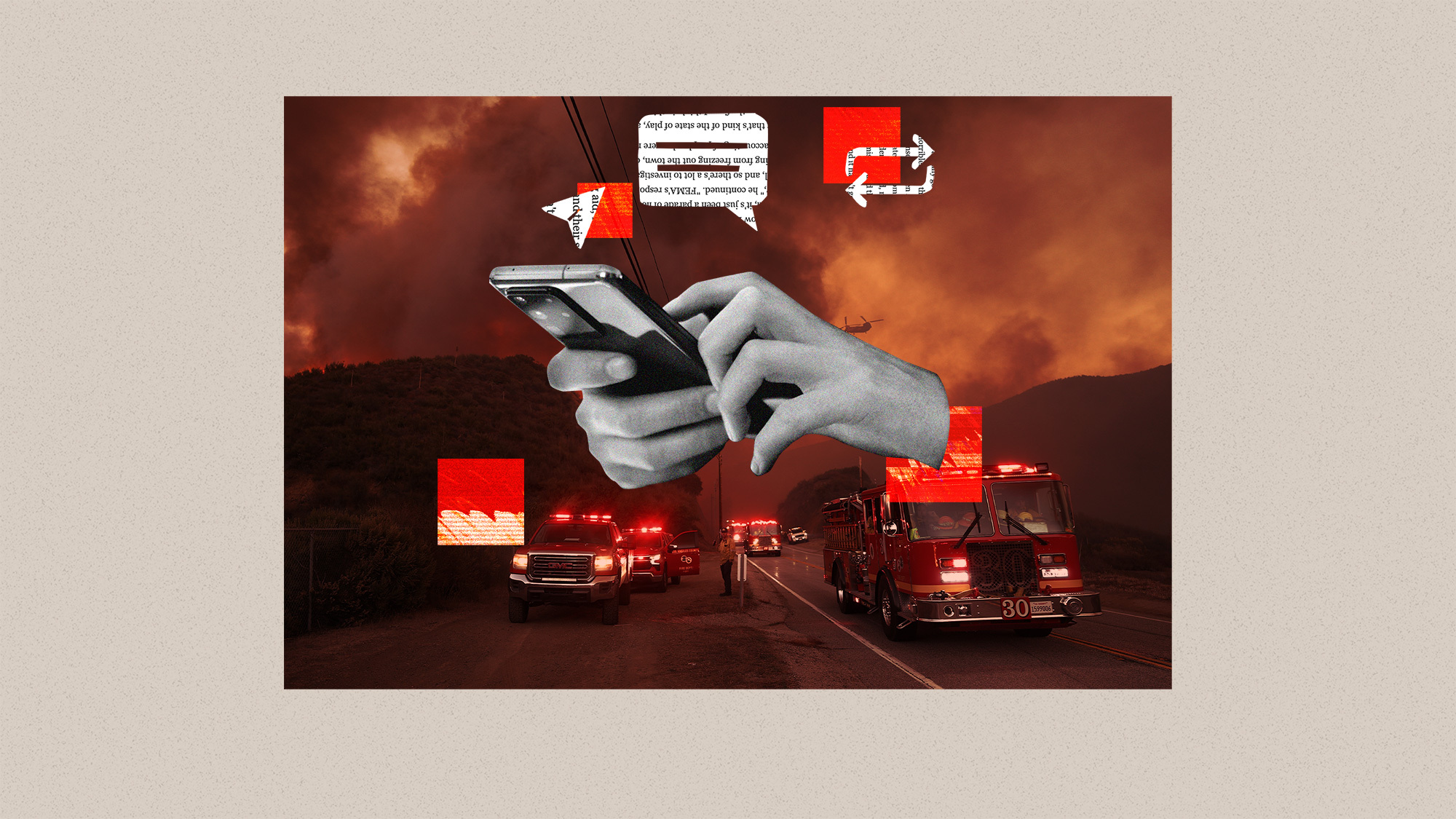
Extreme weather disasters are occurring with increasing frequency as climate change accelerates, but the spread of accurate information about these events faces unprecedented challenges. The fragmented information landscape, combined with reduced content moderation by major social media platforms and staffing shortages at government agencies, has created ideal conditions for misinformation to proliferate rapidly through communities.
Following the 2023 Maui wildfires, which killed over 100 people and destroyed thousands of homes, numerous false claims circulated across social media platforms. These included allegations that directed energy weapons or government conspiracies sparked the fires, with various theories attributing the disaster to plans for infrastructure development or smart city projects. Government accounts linked to foreign governments also spread disinformation about weather weapons, while other false claims raised concerns about property seizures for disaster aid recipients.
Research demonstrates concrete consequences from post-disaster misinformation. A Department of Homeland Security study found that incorrect information shared during a 2017 California flood triggered unnecessary mass evacuation, while research from the Inter-American Development Bank documented an 11 percent decline in public trust in government following an earthquake in Mexico. Such information voids can result in misallocated resources, overwhelmed emergency services, and diverted attention from genuine community needs during critical recovery periods.
Experts attribute the problem to the inherent characteristics of disasters themselves. Emergency management professor Amber Silver notes that disasters create urgent situations with substantial uncertainty, while simultaneously leaving communities with limited access to reliable information sources. This combination produces conditions where misinformation flourishes, particularly among younger demographics who encounter and often believe conspiracy theories shared on social media platforms.
The challenge extends beyond confusion, affecting the fundamental relationship between authorities and citizens. Federal agencies have begun creating fact-checking and myth-busting websites to combat post-disaster rumors, but researchers continue investigating which information sources communities actually trust during crises and what measures might establish shared understanding of events as emergencies unfold.
Article Attribution | Read More at Article Source
Article summary produced by Claude AI