

FBI counterintelligence units dedicated to identifying and tracking foreign spies have experienced substantial personnel reductions across the country’s 56 field offices, according to sources familiar with internal operations. In numerous locations, staffing levels have dropped to between 50 and 60 percent capacity, with some offices reducing their counterintelligence squads by half. This staffing crisis occurs amid escalating threats from multiple adversaries, including China’s reported campaign to obtain U.S. government secrets and advanced technology, Russia’s active intelligence operations, and heightened tensions following military conflict with Iran.
The staffing reductions stem not from explicit directives to downsize counterintelligence operations but from organizational priorities established by FBI leadership. Bureau resources have been redirected toward violent crime and immigration enforcement, which have been designated as top priorities by the Trump administration. Field offices have reassigned agents and analysts from counterintelligence roles to these other areas without replacing the departing personnel. Additionally, the FBI has experienced a broader workforce exodus, losing more than 1,500 special agents since the administration took office, with the bureau currently operating below January 2025 staffing levels by over 650 agents.
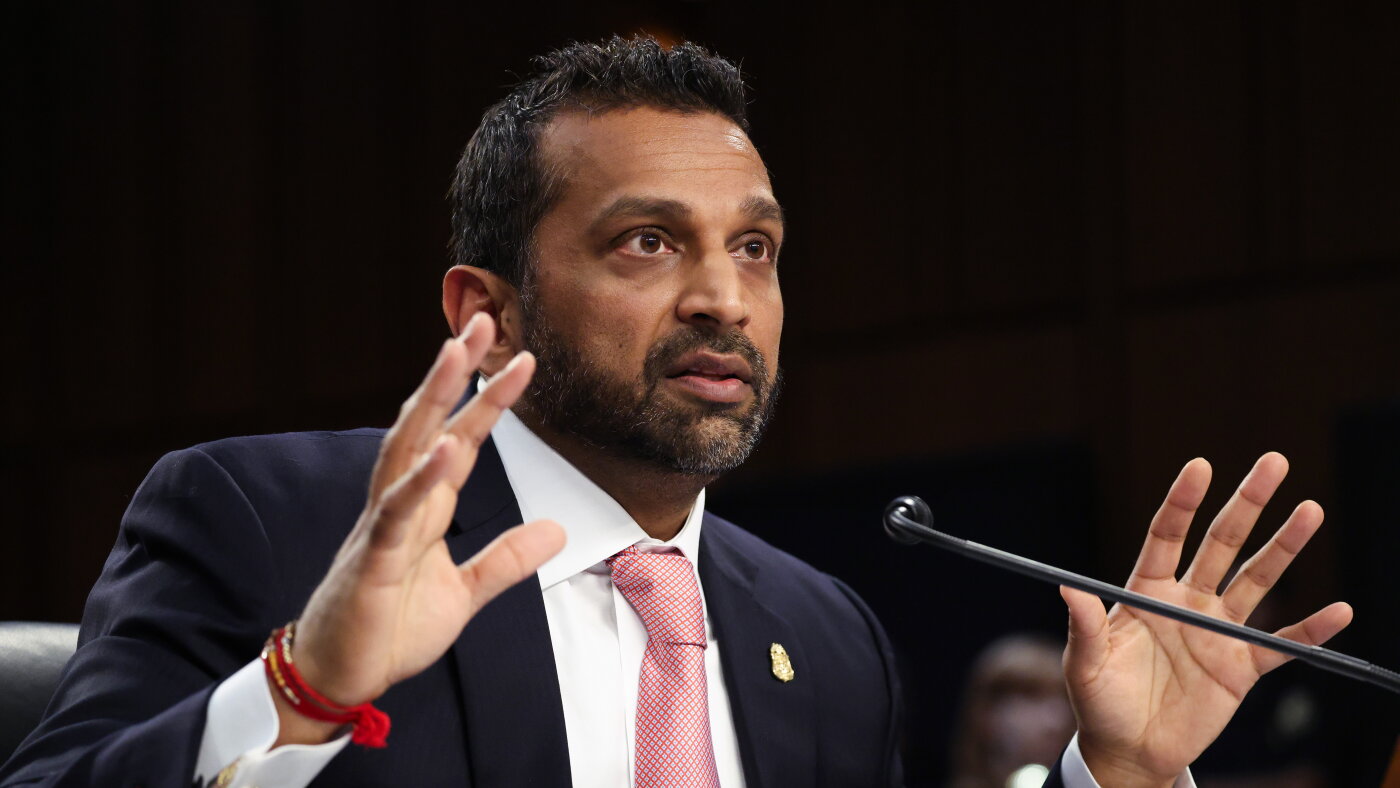
FBI leadership disputes these characterizations. An agency spokesperson denied the manpower shortage allegations, asserting that the bureau maintains robust counterintelligence operations and has expanded task forces to encompass over 1,500 personnel from federal, state, and local agencies. FBI Director Kash Patel recently testified that his administration has arrested more foreign spies than any previous FBI leadership. However, intelligence experts contend that arrest statistics do not fully capture counterintelligence effectiveness, noting that successful operations often result in diplomatic actions such as expelling intelligence operatives rather than criminal prosecutions.
The exodus of experienced personnel poses particular challenges for counterintelligence work, which typically requires years to develop sources and build complex cases. Analysts reassigned from counterintelligence roles and departing agents remove institutional knowledge difficult to replace with newly trained staff. The transition of analysts from headquarters to field offices, while intended to strengthen field operations, has further strained counterintelligence capabilities by redirecting resources away from espionage investigations and toward crime and gang-related work.
Article Attribution | Read More at Article Source
Article summary produced by Claude AI