

Ethiopia faces severe environmental challenges stemming from nearly a century of forest loss. Over the past hundred years, the country cleared most of its tree cover for agriculture, grazing, and fuel, reducing forest coverage from approximately 35-40 percent in the early 20th century to less than 3 percent by 1989. This deforestation has had cascading consequences: the loss of tree roots and protective vegetation has accelerated soil erosion, with the highlands losing around 1 billion metric tons of topsoil annually at the peak of degradation. The combined pressures of land degradation and climate change have created acute vulnerability for a nation where more than 100 million people depend on agriculture for their survival.
The environmental crisis carries severe economic and humanitarian costs. Land degradation is estimated to cost the country approximately $4.3 billion annually through reduced harvests and lost agricultural income. These losses directly affect food security, with climate shocks and crop failures among the primary drivers of acute hunger in the region. In 2024, approximately 15.8 million Ethiopians, roughly 12 percent of the population, required food assistance.
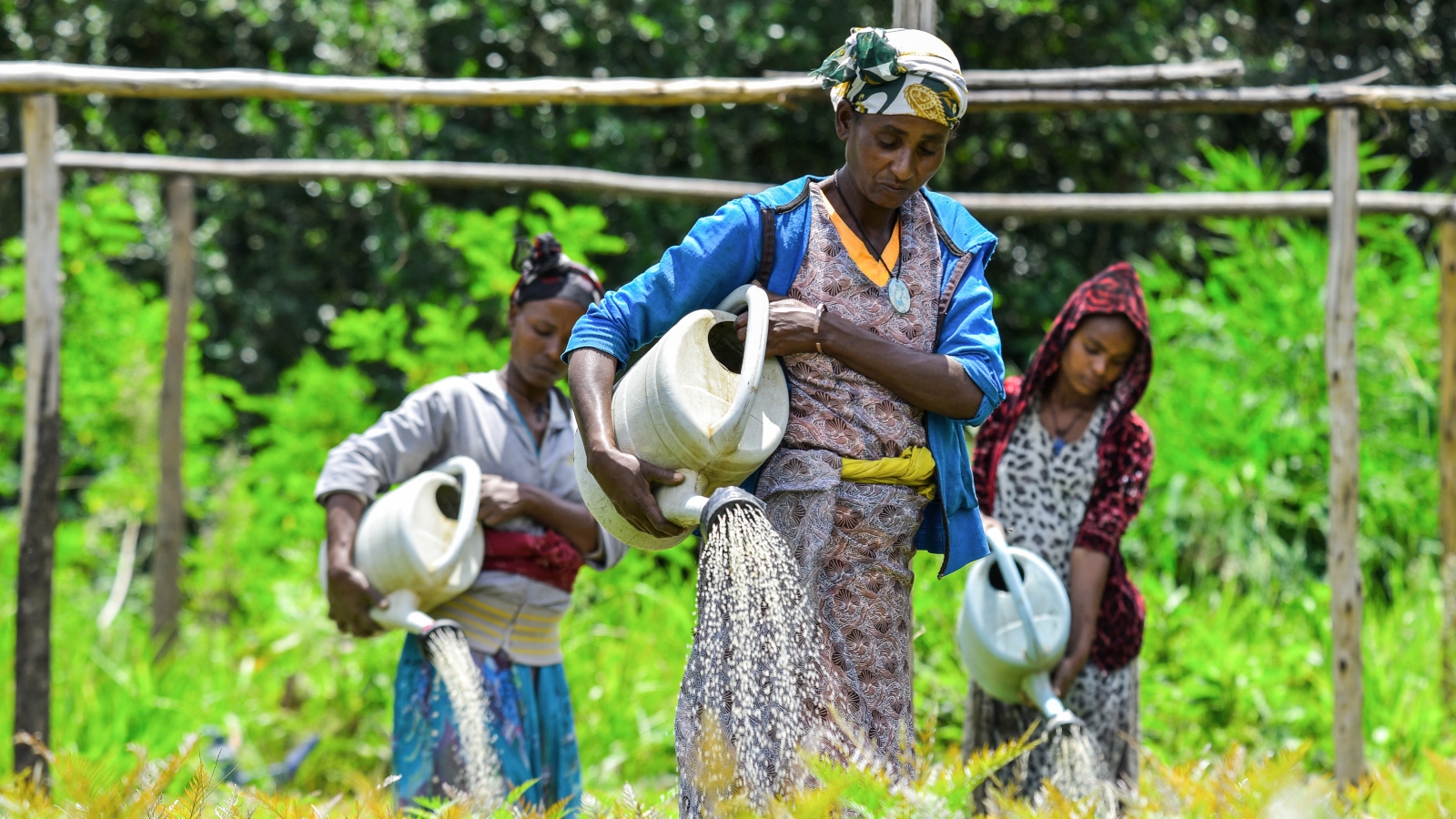
In response, Ethiopia has launched an ambitious reforestation initiative. Beginning with smaller-scale efforts following the devastating famines of the 1970s and 1980s, the country substantially expanded its approach in 2019 through the Green Legacy Initiative, a nationwide campaign that mobilized millions of participants including farmers, public servants, schools, and religious organizations. The government further strengthened its commitment in 2024 by establishing the Green Legacy and Landscape Restoration Special Fund, dedicating 0.5 to 1 percent of the annual federal budget toward restoration efforts.
The scale of the campaign has grown remarkably. Over seven years, more than 47 billion seedlings have been planted across the country, with the goal of reaching 50 billion by 2030. In August alone, approximately 26.6 million Ethiopians planted 800 million seedlings in a single day. Early results indicate the strategy is yielding measurable outcomes: national forest cover increased from 17.2 percent in 2019 to 23.6 percent in 2023, while the annual deforestation rate declined from over 350 square miles to around 100 square miles between 2013 and 2023. Studies of restored areas have documented substantial reductions in soil erosion. Ethiopia’s restoration efforts have gained international recognition, contributing to its selection as host for next year’s U.N. climate conference.
Article Attribution | Read More at Article Source
Article summary produced by Claude AI