

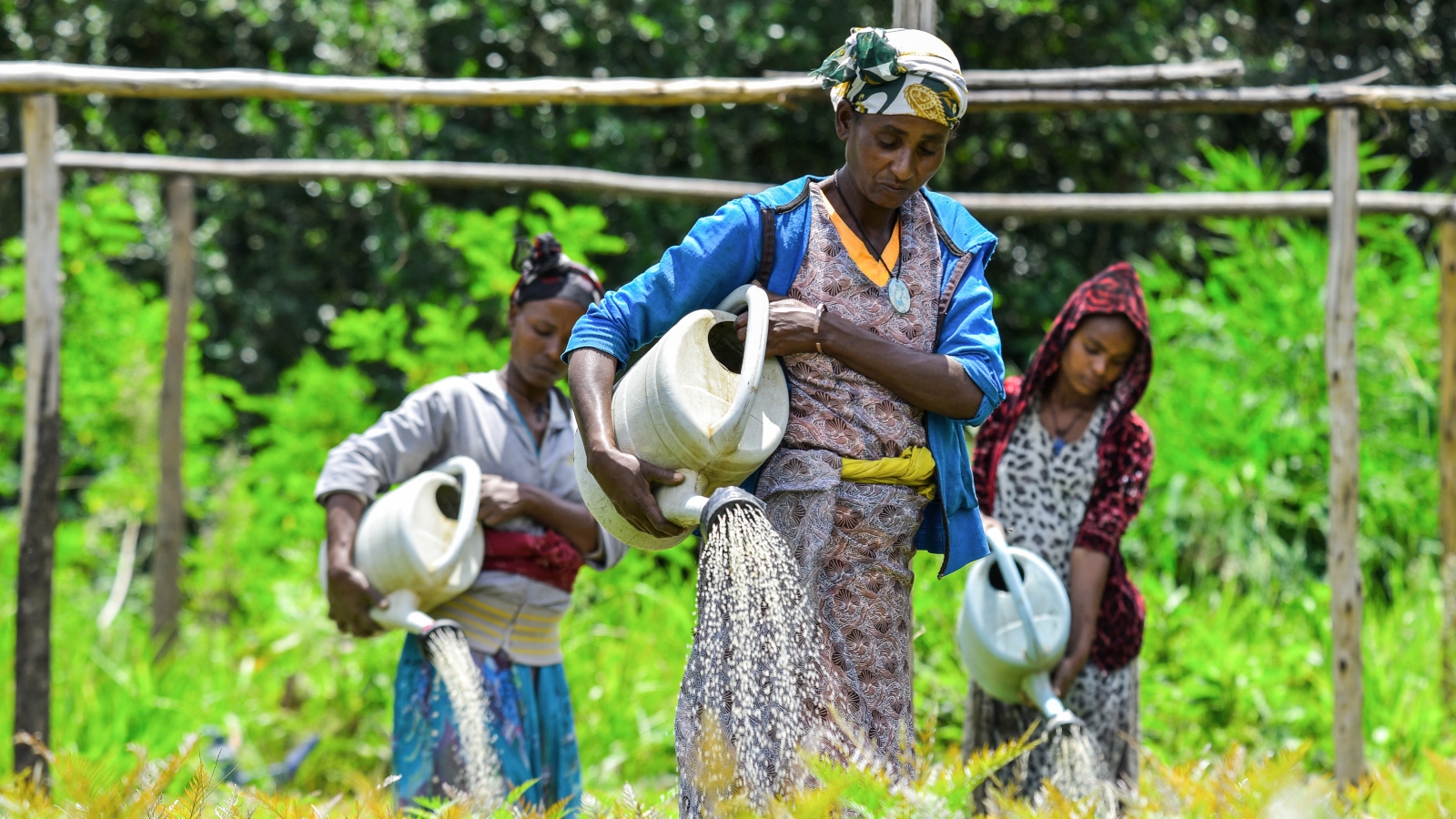
Ethiopia faces severe environmental challenges stemming from widespread deforestation over the past century. Forests that once covered 35 to 40 percent of the country’s landscape have been reduced to fragmented patches, with forest cover dropping to less than 3 percent by 1989. This loss of tree cover has exposed soil to erosion from wind and rain, degrading agricultural lands and reducing crop yields. The situation has been further exacerbated by climate change, which brings more intense droughts and heavier rainfall that accelerates soil loss and triggers landslides. The economic impact is substantial, with land degradation costing the nation an estimated $4.3 billion annually in lost harvests and agricultural income.
The environmental degradation has direct consequences for food security and livelihoods. With over 100 million Ethiopians dependent on agriculture, soil erosion and declining yields have contributed to widespread hunger. In the recent period, approximately 15.8 million Ethiopians required food assistance. Recognizing these interconnected challenges, the government has launched major restoration initiatives, beginning with soil and water conservation programs after the droughts and famines of the 1970s and 1980s. These efforts accelerated significantly following the establishment of the Green Legacy Initiative in 2019, which mobilized diverse groups including farmers, public servants, schools, and religious organizations to plant trees nationwide.
The scale of the current reforestation effort is remarkable. Over the past seven years, more than 47 billion seedlings have been planted across the country, with the goal of reaching 50 billion by 2030. In August, more than 26 million volunteers participated in a single day of tree-planting, establishing 800 million seedlings. The government has committed substantial financial resources, allocating 0.5 to 1 percent of the annual federal budget—approximately $73 million to $145 million—to landscape restoration through the Green Legacy and Landscape Restoration Special Fund.
Early results indicate the programs are producing measurable benefits. National forest cover increased from 17.2 percent in 2019 to 23.6 percent in 2023. Studies of restored areas have documented significant reductions in soil erosion, and the annual deforestation rate declined from more than 350 square miles to around 100 square miles between 2013 and 2023. While experts acknowledge that large-scale reforestation efforts typically face challenges with tree survival rates, researchers suggest that the magnitude of Ethiopia’s initiative means substantial environmental gains are achievable even if survival rates are modest.
Article Attribution | Read More at Article Source
Article summary produced by Claude AI