

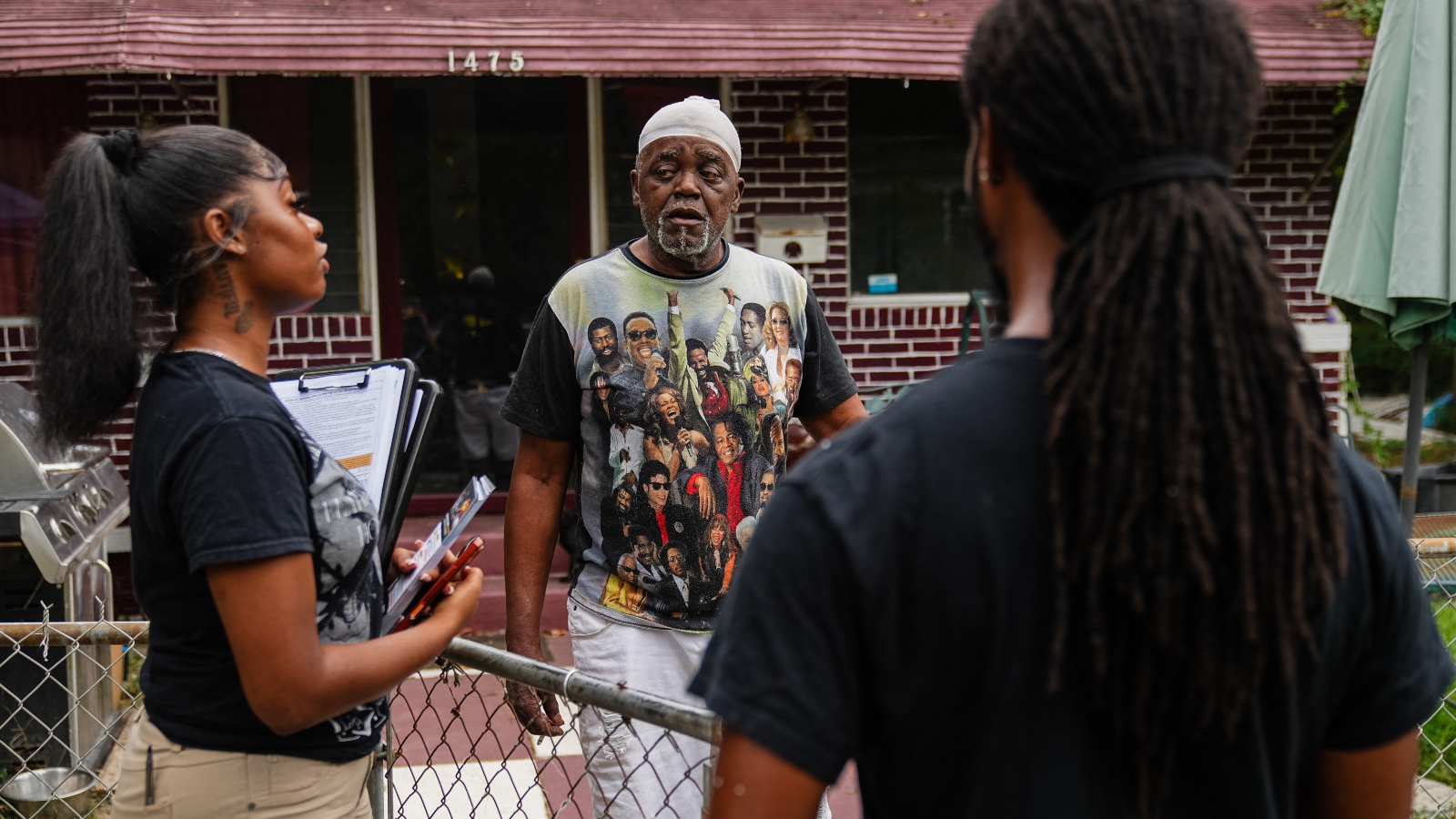
A new survey examining the environmental priorities of Black voters in swing states reveals a disconnect between their recognition of climate concerns and their willingness to make it a top voting issue. The poll, conducted by HIT Strategies for the Climate Equity Action Fund and the League of Conservation Voters between September 24 and October 10, surveyed 2,000 Black and Latino registered voters across seven states considered pivotal in the 2024 election cycle. Results showed that only 9 percent of Black registered voters ranked climate change among their top three issues motivating their voting decisions, while 74 percent selected the cost of living as a primary concern.
Despite this gap, the survey found that most Black voters want environmental policy to be prioritized by elected officials. Across both groups surveyed, 89 percent said it was important for candidates to focus on lowering energy costs, 86 percent emphasized reducing air and water pollution, and 82 percent wanted candidates to address climate change. Even among Black Republicans, 79 percent indicated that climate action should be important to candidates. Erica Tebbs, a senior analyst at HIT Strategies, suggested the issue is not indifference but rather a trust problem, noting that voters need evidence that their concerns will be addressed and that voting will produce tangible community benefits.
Analysts and climate advocates interviewed for the article attributed the disparity to immediate financial pressures overshadowing abstract environmental concepts. The phrase “climate change” itself can feel distant, whereas concerns about electricity costs, safe drinking water, and housing affordability feel urgent and personal. Data center expansion emerged as a concrete example linking environmental policy to household expenses, with 52 percent of Black voters expecting the facilities to raise electricity costs for ordinary Americans despite policy protections. Bill Hairston, national field director for the League of Conservation Voters, emphasized that voters should recognize connections between industrial development and their daily living conditions, drawing from his own experience growing up in an environmentally burdened neighborhood.
Article Attribution | Read More at Article Source
Article summary produced by Claude AI