

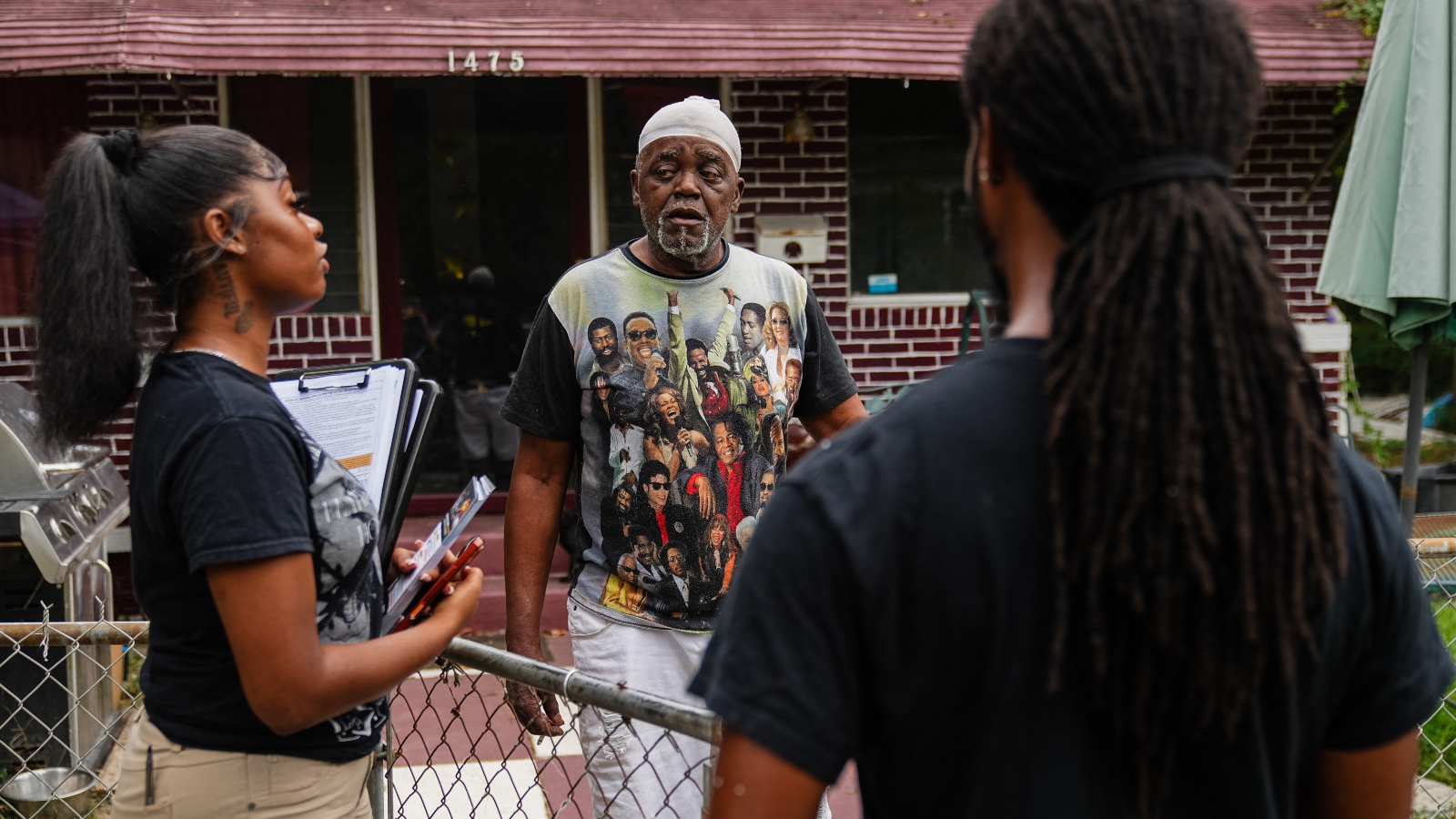
A survey of Black and Latino registered voters in seven swing states reveals a disconnect between climate action as an election priority and desire for environmental protections. The polling, conducted by HIT Strategies for the Climate Equity Action Fund and the League of Conservation Voters across Arizona, Georgia, Michigan, Nevada, North Carolina, Ohio, and Pennsylvania, found that only 9 percent of Black registered voters ranked climate change among their top three motivating issues, while 74 percent selected cost of living. However, most respondents indicated they want elected officials to prioritize climate policy, with 89 percent deeming it important for candidates to address lowering energy costs and 86 percent wanting reduction of air and water pollution.
Experts suggest the gap reflects not indifference to environmental threats but rather skepticism about whether elected officials can deliver tangible benefits. Erica Tebbs, senior analyst at HIT Strategies, noted that voters need proof that their concerns will be addressed and that voting will produce real community impact. The abstract nature of “climate change” as a phrase contrasts with concrete concerns about electricity bills, safe drinking water, and extreme weather, which feel immediate and personal to voters.
Data center expansion has emerged as a focal point connecting environmental and economic concerns for residents. The survey found substantial concern among Black voters about potential electricity cost increases from data centers, with 52 percent expecting such facilities to raise consumer electricity costs even if companies were required to pay for their own power. Bill Hairston, national field director for the League of Conservation Voters, sees discussions about data centers as an opportunity to help residents connect industry decisions with impacts on health, affordability, and government oversight, rather than treating these as separate concerns.
Young voters like Elijah Lee, preparing for his first midterm election, illustrate the tension between understanding climate’s importance and recognizing that immediate financial pressures dominate voting considerations. Lee, who moved from a polluted industrial town in North Carolina to Virginia’s data center region, questions whether promised economic benefits will reach his generation or community, highlighting the credibility gap between political promises and lived experience in Black communities facing environmental and economic challenges simultaneously.
Article Attribution | Read More at Article Source
Article summary produced by Claude AI