

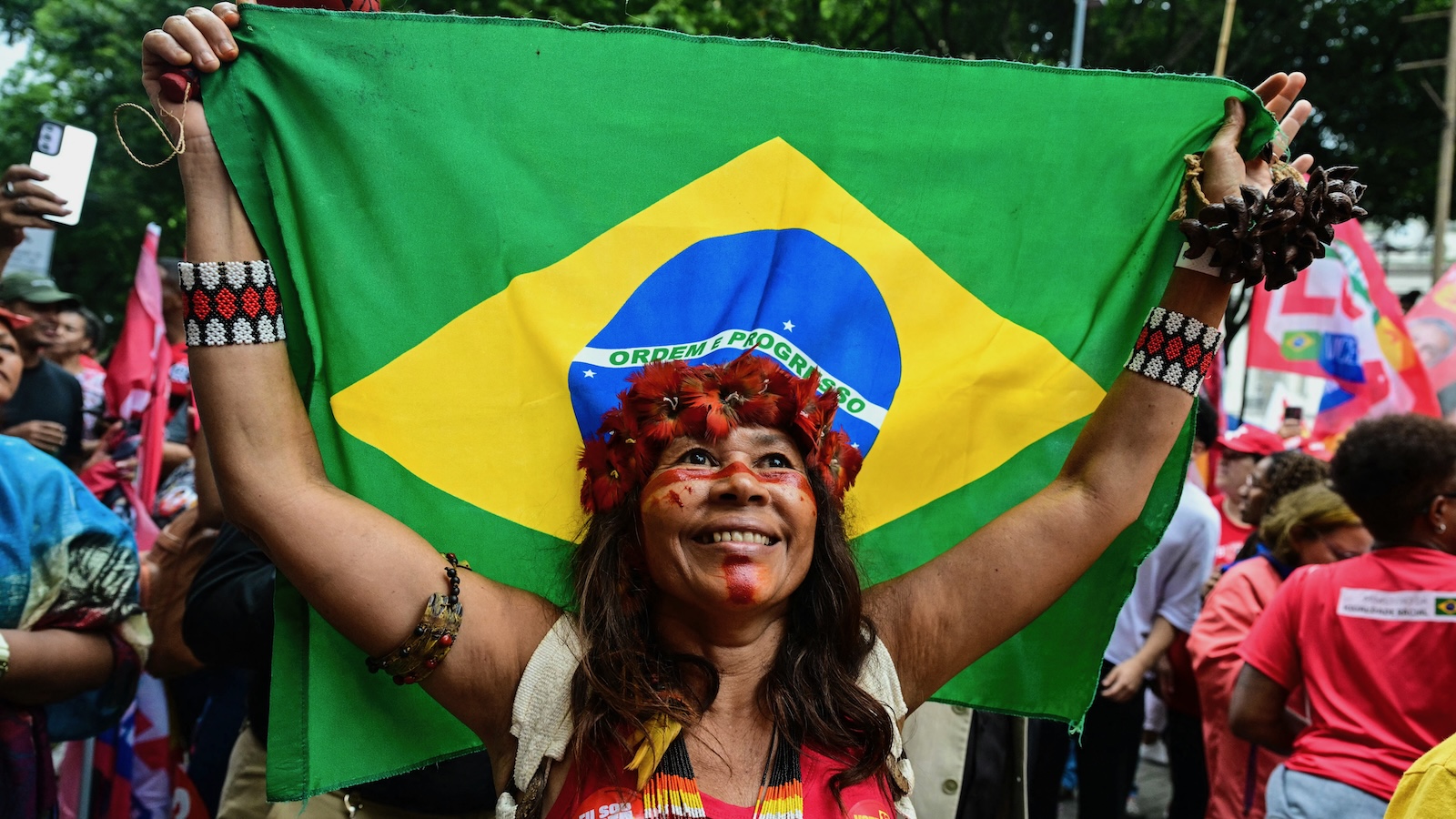
Luiz Inácio Lula da Silva’s victory in Brazil’s presidential runoff election delivered reassurance to Indigenous communities concerned about opponent Flávio Bolsonaro’s platform to restrict land recognition and expand mining operations. Lula secured a fourth nonconsecutive term by winning the runoff by approximately 4.4 million votes, after narrowly trailing in the first round earlier that month.
Despite the presidential outcome, the election results presented complications for Indigenous advocacy. Bolsonaro’s Liberal Party obtained the largest bloc of seats in both legislative chambers, and the broader rightist coalition secured a Senate majority. Indigenous leaders and environmental organizations cautioned that this congressional composition could threaten territorial protections, rollback environmental regulations, and restrict land rights. A nonprofit coalition of 172 organizations reported that 70 percent of incoming lawmakers oppose climate and environmental initiatives.
The stakes reflected historical tensions dating to the previous Bolsonaro administration from 2019 to 2023, when mining activities intensified, land seizures occurred, deforestation peaked, and Indigenous communities experienced violence from illegal mining operations. During Lula’s recent tenure preceding this election, his administration created the Ministry of Indigenous Peoples, revitalized the federal Indigenous affairs agency FUNAI, and reported that Amazon deforestation had reached its lowest level since recordkeeping commenced in 1988.
Indigenous leaders acknowledged Lula’s victory as significant but insufficient. They highlighted that underlying disputes regarding territorial rights, development projects, and decision-making authority remained unresolved. Leaders expressed concern about negotiating legislative support and cautioned that Congressional opposition posed heightened risk to Indigenous interests. They emphasized that continued organizing and mobilization would be necessary to protect their communities.
Indigenous voters also encountered obstacles accessing polling locations, though some court interventions secured transportation assistance in remote areas. Indigenous organizations across the Amazon worked to enhance voter participation across nine states, ultimately framing their electoral engagement as a commitment to democracy and territorial defense rather than viewing the election as a conclusive resolution to ongoing conflicts.
Article Attribution | Read More at Article Source
Article summary produced by Claude AI