

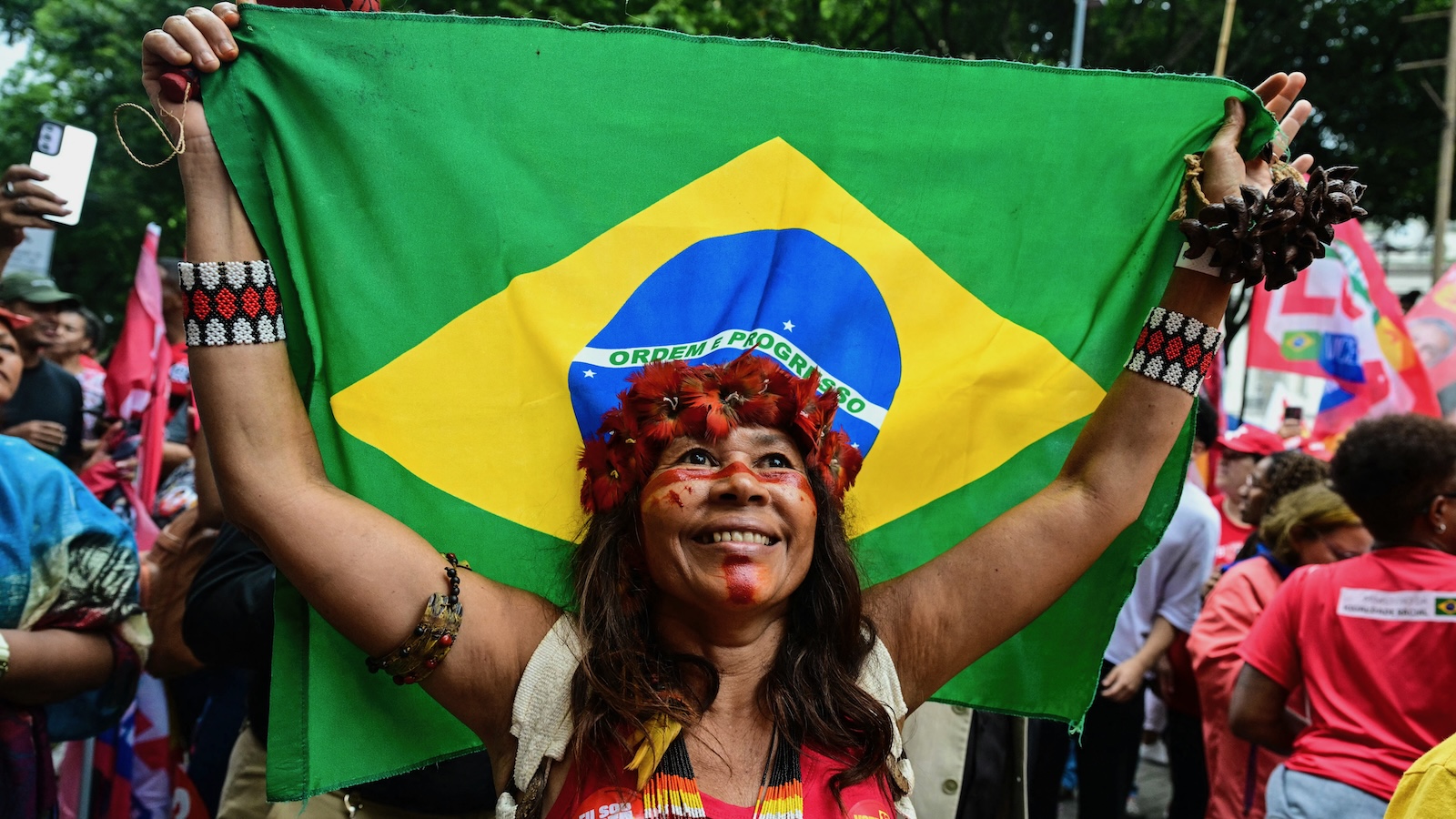
President Luiz Inácio Lula da Silva’s reelection in Sunday’s runoff vote provided reassurance to Indigenous communities in Brazil, who faced the prospect of an opponent committed to halting recognition of new Indigenous territories and expanding mining and development activities. Lula secured victory by approximately 4.4 million votes, overcoming a first-round deficit to claim a fourth, nonconsecutive term.
The election outcome presented a mixed scenario for Indigenous advocates. While Lula’s win prevented a administration aligned with policies from the 2019 to 2023 Jair Bolsonaro presidency—when deforestation surged, mining violence escalated, and land grabs increased—the same election strengthened right-wing opposition in Congress. The Liberal Party secured the largest parliamentary representation in both houses, and the broader right gained a Senate majority. Climate Observatory reported that 70 percent of incoming lawmakers oppose climate and environmental objectives, according to The Associated Press.
Lula’s previous administration achieved notable progress for Indigenous peoples, including establishing the Ministry of Indigenous Peoples in 2023 under Sônia Guajajara’s leadership and reforming the federal Indigenous affairs agency FUNAI. The government also announced before the election that Amazon deforestation had declined to its lowest level since recordkeeping commenced in 1988. However, Indigenous leaders characterized these advances as rebuilding efforts following years of damage rather than comprehensive resolution of longstanding territorial and governance disputes.
Indigenous organizations cautioned that a hostile Congress posed significant obstacles to advancing their agenda. Leaders noted that meaningful progress requires securing real authority over their territories rather than symbolic representation at international forums. The election also highlighted accessibility challenges, with some Indigenous voters in remote areas denied transportation assistance to polling sites, though court rulings elsewhere helped facilitate voting access across the Amazon region.
Community representatives expressed simultaneous relief and determination, stating that Lula’s victory enabled continued advocacy for Indigenous rights while acknowledging that the electoral outcome alone would not resolve deeper conflicts over land use, development priorities, and decision-making authority in Indigenous territories.
Article Attribution | Read More at Article Source
Article summary produced by Claude AI