

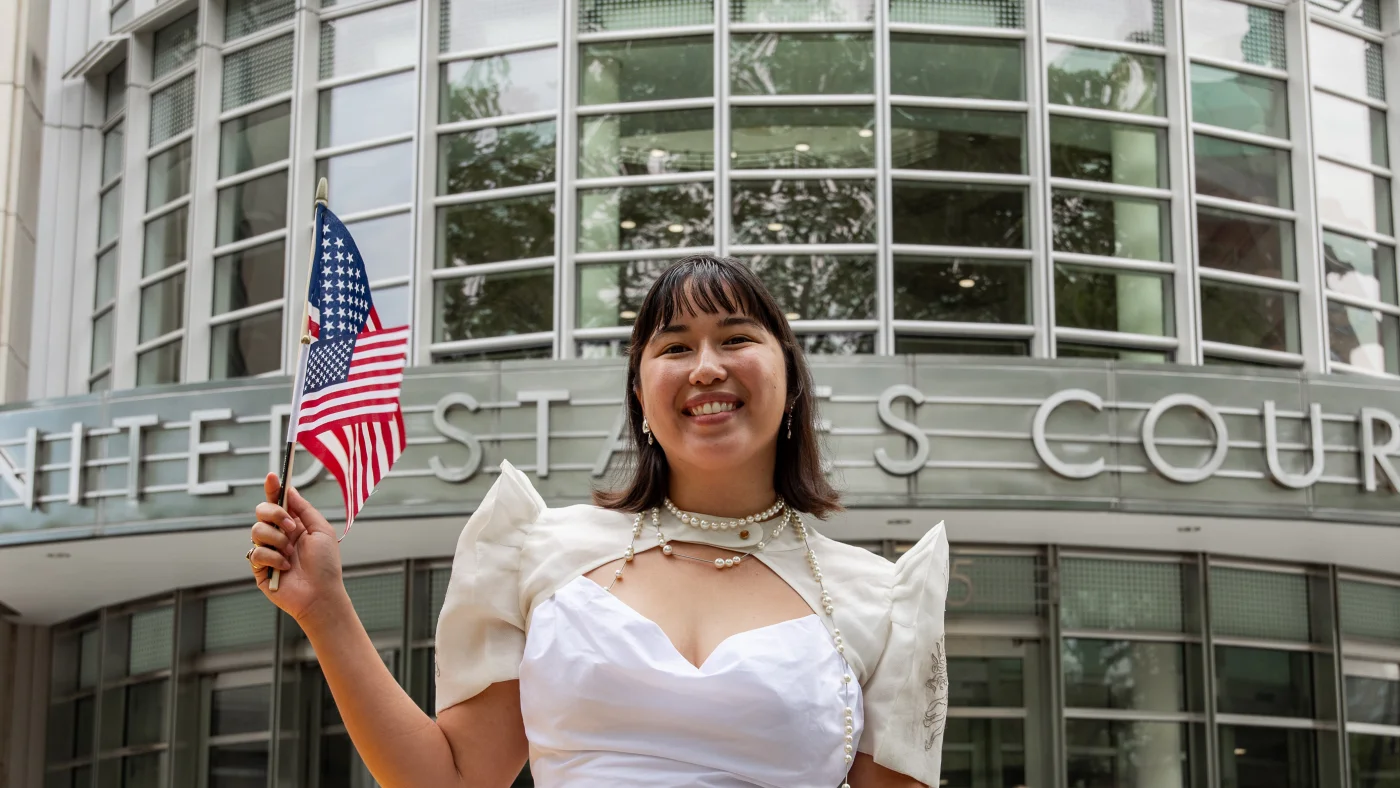
Nicole Solis-Sison, who arrived in the United States from the Philippines at age 7 seeking asylum, became a naturalized citizen earlier this year after more than two decades navigating the immigration system. Now 34, she cast her first ballot in New York City during the current election cycle. Solis-Sison described her journey as fortuitous, crediting an immigration agent’s intervention with enabling her family to remain in the country legally. Despite her relatively positive outcome, she expressed concern for others still in the system, stating she feels responsibility to protect vulnerable populations facing immigration challenges.
Juan Escalante, originally from Venezuela, discovered he was undocumented during his junior year of high school after his parents received poor legal counsel. His status changed when the Deferred Action for Childhood Arrivals program was established, allowing him to become the first family member to graduate college. He gained citizenship in 2025 and voted in his first general election this year at age 37. Escalante described voting as deeply personal, reflecting his awareness of voting’s power to serve communities and shape the future.
Both Solis-Sison and Escalante approach voting with particular focus on immigration policy, motivated by their families’ experiences within the system. Escalante, a California resident, reported meticulously researching every ballot item and candidate, treating his vote as something earned through years of effort. He emphasized ensuring his immigrant values and Latino identity were reflected in his choices.
Deisy España, a 24-year-old Wisconsin resident born in the United States to undocumented Mexican parents, similarly carries the weight of her family’s immigration history. Though born a citizen, España grew up aware of the precarious situations her parents faced, such as the risks involved in routine traffic stops. These experiences among immigrant families and newly naturalized citizens reflect a voter motivation distinct from typical concerns about housing affordability and student debt that occupy many younger voters.
Article Attribution | Read More at Article Source
Article summary produced by Claude AI