

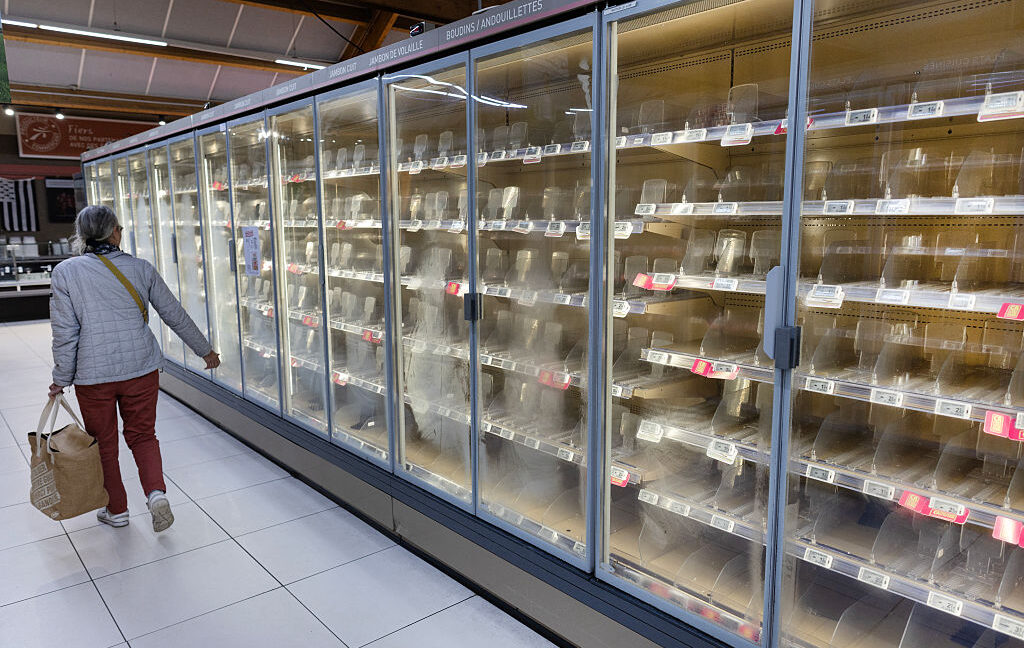
Earlier this week, refrigeration systems at an estimated 700 supermarkets throughout France were compromised in a coordinated cyberattack that caused widespread equipment malfunctions. The breach targeted internet-connected controllers manufactured by Danfoss, Dixell, and Copeland that manage store-wide fleets of refrigerators and freezers. Attackers remotely activated defrosting functions, raising internal temperatures to approximately 50 degrees Celsius, resulting in massive food spoilage and, in some instances, electrical fires. Reports indicate the incident also affected supermarkets in Spain, Portugal, Poland, Germany, and Belgium.
Investigations revealed that the compromised controller models contained critical vulnerabilities enabling remote administrative access. Danfoss devices employed daily-changing passwords generated from publicly available firmware based on the calendar date, allowing skilled attackers to replicate credentials across multiple installations. Similar vulnerabilities in Copeland and Dixell controllers were recently patched. The affected stores additionally failed to implement standard protective measures, including placing controllers behind virtual private networks, maintaining IP address whitelists, or updating to current firmware versions.
Security researchers noted that conventional cybersecurity practices would have prevented the breach. The absence of basic precautions—such as isolating devices from public internet access, restricting remote connections, implementing credential changes, and applying available patches—transformed a manageable security risk into a continent-scale incident. Security firm Claroty had previously warned of these vulnerabilities in October, followed by warnings from the US Cybersecurity and Infrastructure Security Agency in February.
Manufacturers acknowledged the incidents involved discontinued equipment models and stated they are collaborating with affected customers on preventive measures. The attack’s perpetrators remain unidentified, leaving unclear whether the motive was large-scale vandalism or disruption by a nation-state actor. The incident highlights ongoing tensions between financial and operational priorities in business decision-making, as companies frequently defer security investments despite known risks until catastrophic breaches occur.
Article Attribution | Read More at Article Source
Article summary produced by Claude AI