

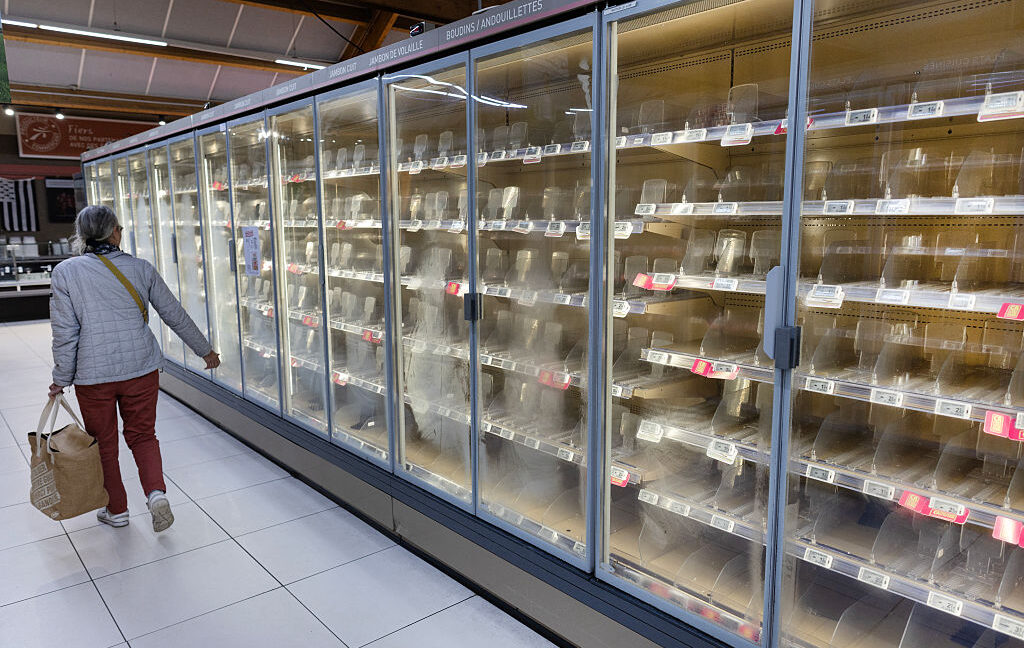
A coordinated cyberattack compromised refrigeration management systems at an estimated 700 supermarkets throughout France earlier this week, forcing the devices to malfunction and reach dangerous temperatures. The incident resulted in widespread food spoilage and electrical fires in some locations. Spain, Portugal, Poland, Germany, and Belgium were also reportedly affected by the same breach.
The attack targeted Internet-connected controllers manufactured by Danfoss, Dixell, and Copeland that allow remote administration of store-wide refrigeration systems. Security researchers identified that the compromised devices contained critical vulnerabilities enabling unauthorized remote access with administrative privileges. Danfoss controllers, for instance, used daily-changing passwords generated from publicly available firmware based on the system date—a credential that hackers could replicate by analyzing the code. Similar vulnerabilities in Copeland and Dixell controllers were patched only recently.
The stores impacted likely failed to implement standard cybersecurity protections, according to security firm Pen Test Partners. The controllers remained directly exposed to the public internet rather than being placed behind virtual private networks or restricted to approved IP addresses. Default and known credentials were not changed, and devices were not updated to current firmware versions. These oversights enabled the attacker to gain access across hundreds or thousands of locations simultaneously.
Security researchers at Claroty warned of such threats last October, and the US Cybersecurity and Infrastructure Security Agency issued similar guidance in February. Copeland acknowledged vulnerabilities in discontinued controller models and stated the company is collaborating with customers on prevention measures. Danfoss has not yet responded to inquiries. The attacker’s identity and motivations remain unknown, though the incident could represent either large-scale vandalism or an effort by a nation-state or international actor to create widespread continental disruption.
The breach highlights ongoing tensions between financial and security departments at many organizations, where cost considerations often delay investment in equipment updates and security improvements until after incidents occur.
Article Attribution | Read More at Article Source
Article summary produced by Claude AI