

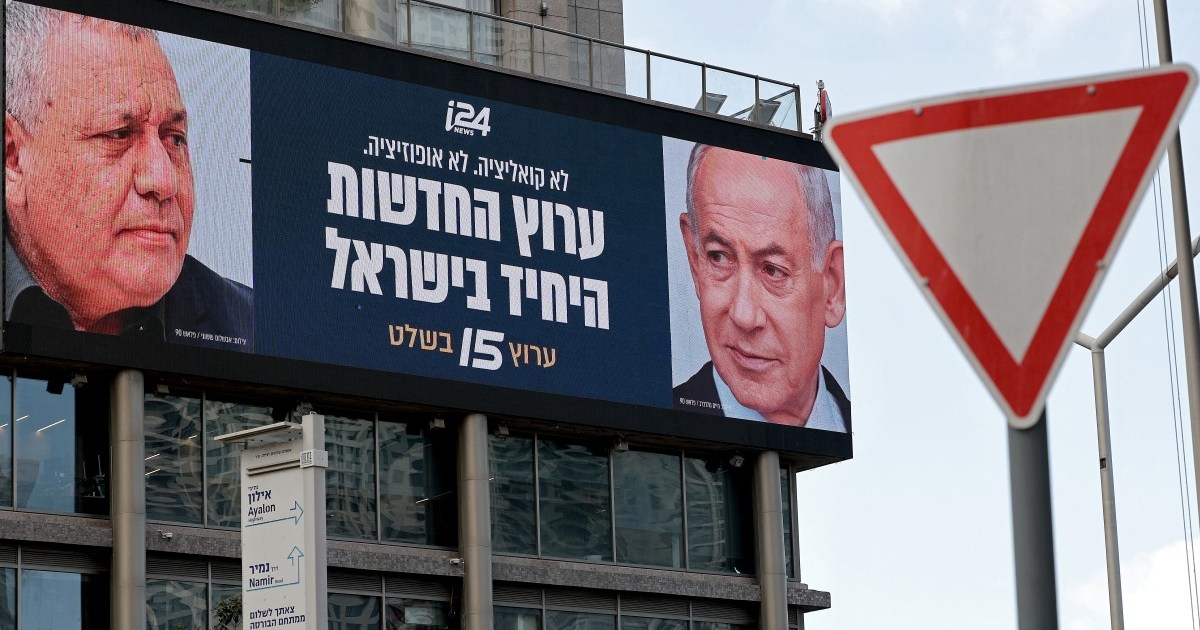
African governments are closely monitoring Israel’s upcoming election scheduled for October 27, recognizing that electoral outcomes could reshape the country’s diplomatic and security partnerships across the continent. The race remains highly competitive, with recent polling indicating neither Prime Minister Benjamin Netanyahu’s Likud-led coalition nor the opposition bloc of Jewish-led parties projected to secure the 61 seats necessary for a majority in the 120-seat Knesset, suggesting extended coalition negotiations will follow the vote.
The Gaza conflict has created significant divisions among African states regarding their approach to Israel. South Africa has emerged as one of Israel’s most vocal critics, bringing a case before the International Court of Justice alleging genocide violations, though Israel disputes these allegations. The country’s National Assembly has called for closing the Israeli embassy and suspending diplomatic relations. Meanwhile, Chad recalled its ambassador in November 2023. Other nations have pursued contrasting strategies, with Morocco maintaining and expanding its ties despite public opposition to normalization, recently reaffirming plans to upgrade diplomatic relations and elevate missions to embassy status during a trilateral meeting with Israeli and American officials.
Disputes within the African Union underscore broader continental divisions. The AU suspended Israel’s accreditation in 2023 following disagreements among member states over the country’s observer status and its treatment of Palestinians. Security cooperation remains significant for some African governments, with Israeli companies pursuing defence contracts involving equipment, technology and training. The Democratic Republic of the Congo recently deepened engagement, with its president visiting Israel in late August and early September to discuss cooperation across security, agriculture and infrastructure sectors following earlier memorandums of understanding.
Israel’s December recognition of Somaliland as an independent state demonstrated the limits of its diplomatic outreach, triggering regional opposition from Somalia and demonstrations in both territories. Experts note that Africa’s heterogeneity means individual states manage Israel relations separately based on their own priorities. A new Israeli government’s policies on Palestinian statehood and regional conflicts will likely influence the scope of continental cooperation on agriculture, trade, security and technology, shaped by both self-determination principles and bilateral interests.
Article Attribution | Read More at Article Source
Article summary produced by Claude AI