

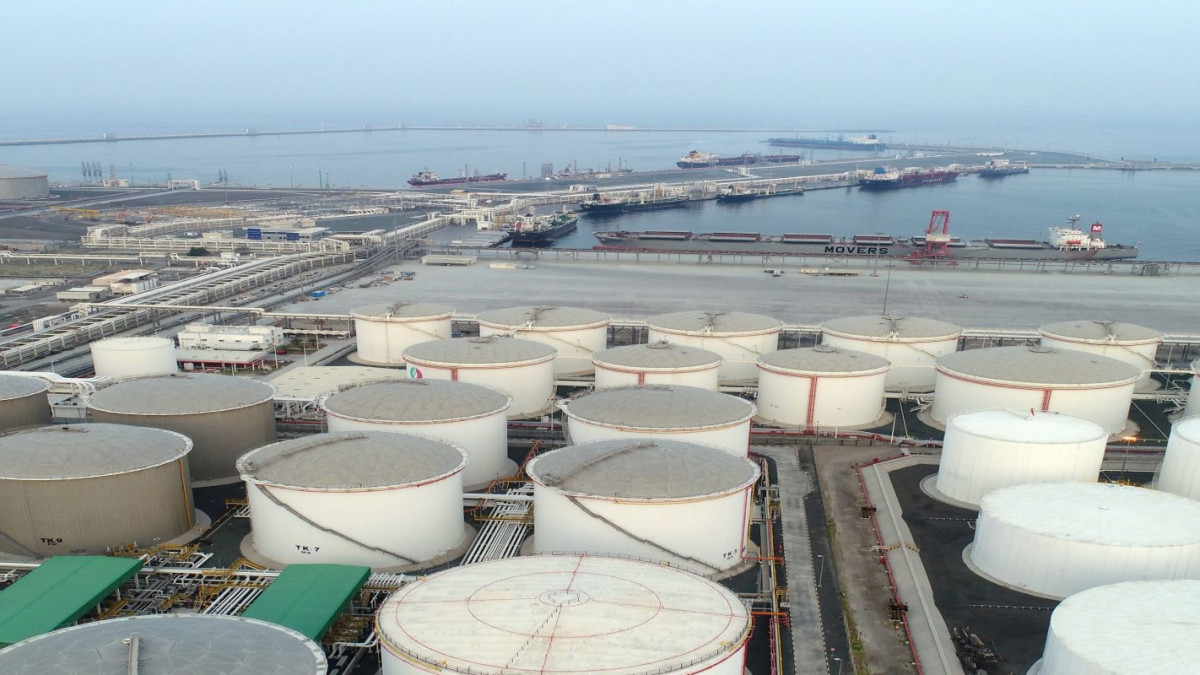
Asia’s shipping fuel market is experiencing acute supply pressures that have inverted traditional pricing relationships between fuel oil and crude. High-sulphur fuel oil in Singapore has risen above the cost of its crude feedstock, a reversal driven by simultaneous disruptions from the Middle East and Russia. The geographic premium between Singapore and Western markets reached record levels, reflecting how concentrated the shortage remains in Asian waters.
Supply losses have been substantial. Middle Eastern fuel oil shipments to Singapore averaged roughly 100,000 barrels per day in 2025 before disappearing during Hormuz disruptions in April and May. While Russian supplies initially compensated by reaching 180,000 barrels per day, Ukrainian drone attacks on refineries have since reduced those flows to approximately 25,000 barrels per day as of September. This combination has left Singapore exposed to simultaneous shortages from two major sources.
Demand dynamics have complicated the situation. Asian shipping fuel consumption remained resilient, with September sales only marginally below year-earlier levels despite supply constraints. The expanding fleet of scrubber-equipped vessels has shifted consumption toward high-sulphur grades, while longer shipping routes necessitated by supply disruptions require additional fuel. Chinese independent refiners have also increased fuel oil purchases as alternative feedstock when crude import quotas become constrained, though this demand is expected to moderate as prices rise.
Freight economics present a structural obstacle to market rebalancing. Mediterranean-to-Asia freight rates currently cost approximately $36 per barrel for transportation alone, compared to roughly $6.50 per barrel a year earlier. These prohibitive shipping costs prevent Western suppliers from arbitraging Singapore’s premium, maintaining the regional price spike despite lower European valuations. Some relief emerged as Saudi producers announced additional November exports and Chinese export quotas increased, though security concerns around key shipping chokepoints pose ongoing risks to supply normalization.
Article Attribution | Read More at Article Source
Article summary produced by Claude AI