

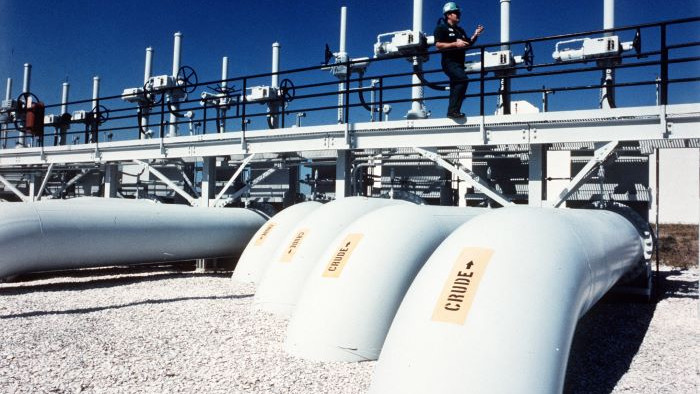
The G7 group of nations unveiled plans to release 100 million barrels of crude oil over four months, with a substantial diesel component scheduled for the first 20 days. The announcement triggered an immediate market response, with crude oil prices declining and gasoline and diesel prices dropping in the United States. The U.S. benchmark crude, WTI, fell to approximately $90 per barrel, while several states implemented motor fuel tax holidays extending through the end of the year.
Market analysts caution that the stock release represents only a temporary measure rather than a sustainable solution to ongoing fuel supply challenges. They warn that depleting strategic reserves without addressing fundamental supply constraints will leave markets even more vulnerable to future disruptions. The immediate price relief at the pump is expected to be transitory unless fuel flows from key regions normalize significantly.
Underlying supply problems continue to constrain the global fuel market. Production losses from the Middle East and Russia persist despite official statements about restored flow levels through the Strait of Hormuz. Russia extended its ban on diesel and marine fuel exports through October 31, a restriction that has been repeatedly prolonged as Ukrainian attacks damage Russian refining capacity. China has reimposed fuel export restrictions, limiting shipments ahead of its Golden Week holiday and creating uncertainty about post-holiday export authorizations. Meanwhile, refineries in the U.S., Europe, and Asia lack sufficient capacity to offset production losses from these regions.
According to commodity analysts, sustained price declines require broader market normalization including restored crude supply, recovered product exports, and reduced geopolitical risks to shipping infrastructure. Without resolution of these structural issues, fuel markets are expected to remain in deficit well into 2027, meaning the current stock release will provide only short-term relief before underlying tightness returns.
Article Attribution | Read More at Article Source
Article summary produced by Claude AI