

Senators from both parties are negotiating a bipartisan permitting reform bill designed to accelerate the approval process for new energy projects. The legislation would streamline federal permitting procedures that currently involve extensive environmental impact studies, reviews from multiple agencies, and potential legal challenges that delay project development across the energy sector. Multiple failed attempts at permitting reform have occurred in recent years, most notably the Energy Permitting Reform Act of 2024, which cleared committee but did not receive a full Senate vote.
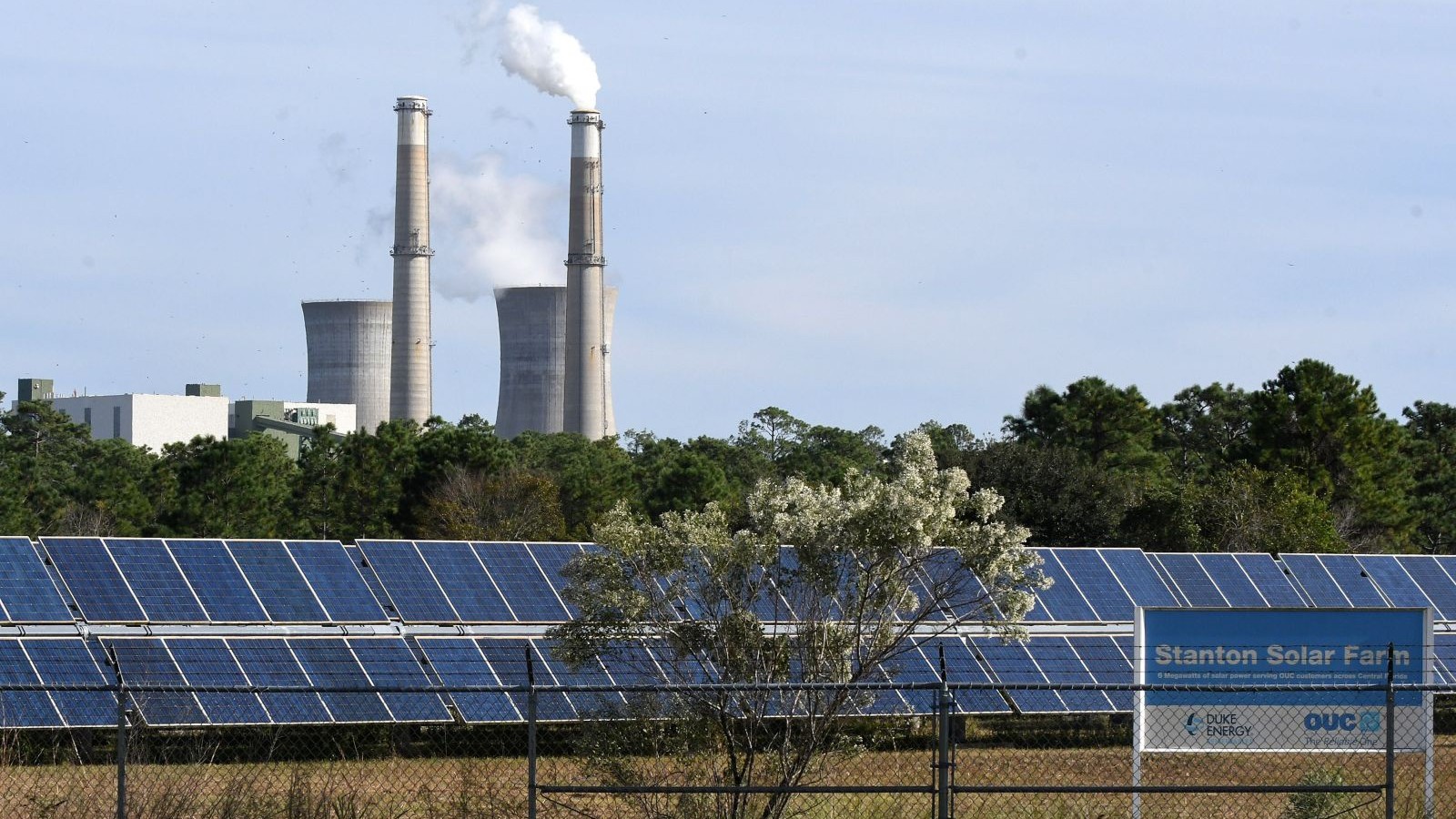
Growing electricity demand across the United States has provided new momentum for the current legislative effort. Power consumption is rising due to electrification of transportation and heating systems, increased manufacturing activity, and a substantial expansion of data center infrastructure by technology companies. Solar energy and battery storage are projected to account for approximately 80 percent of new power generation built in the country, while natural gas remains the dominant electricity source and is expected to experience continued demand growth, particularly from data centers.
The proposed bill faces a significant political challenge: data centers are unpopular with voters across demographic and partisan lines, creating difficulties for lawmakers who support permitting reform but fear electoral consequences. According to polling data, when permitting reform is framed as benefiting data centers, public support declines notably. This dynamic has complicated negotiations at a time when many senators are preparing for midterm elections in November.
President Trump has indicated willingness to cease blocking renewable energy projects to facilitate a Democratic compromise on the legislation. However, some Democratic senators have expressed concerns about whether such commitments would translate to consistent policy implementation. Senior members from both parties’ energy committees are negotiating bill language, with expectations that detailed negotiations will continue following the midterm elections. The legislation would likely reduce environmental review requirements and modify Clean Water Act and Endangered Species Act provisions that extend permitting timelines for transmission and pipeline projects.
Article Attribution | Read More at Article Source
Article summary produced by Claude AI