

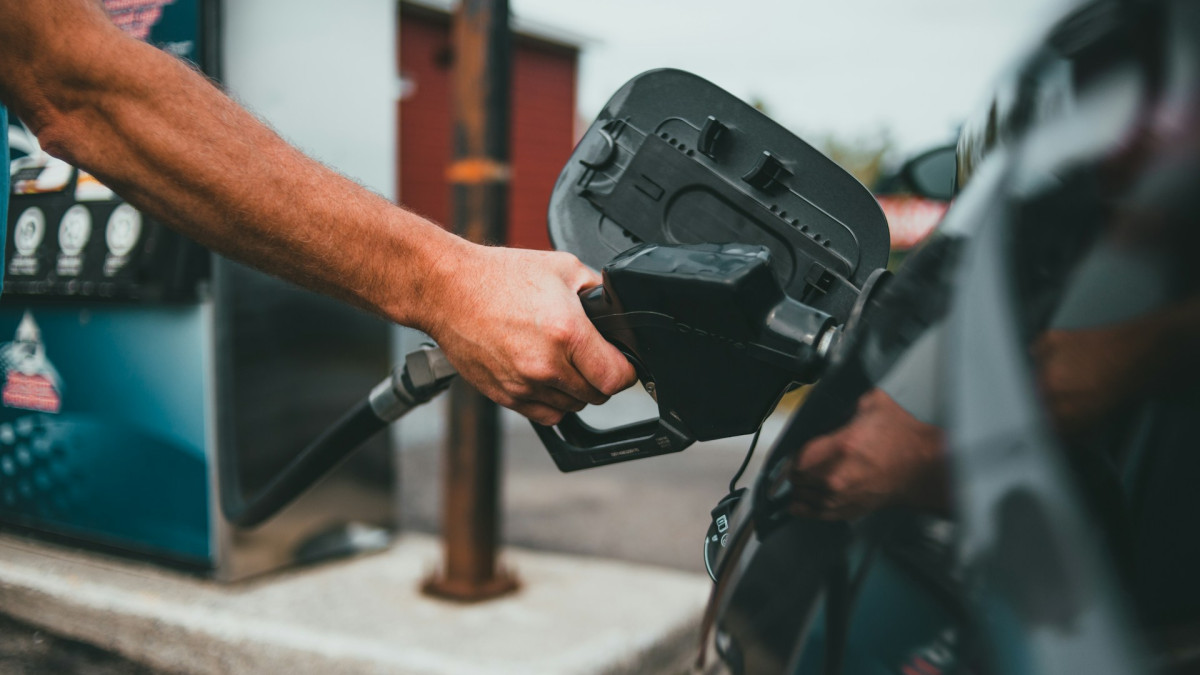
Energy costs have reached historically elevated levels as voters prepare for midterm elections, with significant implications for political incumbents and the broader economy. According to AAA data analyzed by Politico, average U.S. gasoline prices have surpassed their peak during the Biden administration as of Monday. The October 14 Consumer Price Index indicated that overall prices rose 3.7 percent over the preceding 12 months, with energy costs driving much of this increase.
Gasoline prices increased 34.2 percent while heating oil jumped 74.2 percent, largely attributable to oil and gas trade disruptions stemming from the United States and Israel’s military involvement in Iran. The combination of elevated energy costs and modest wage growth has effectively reduced purchasing power for many American households. Analysts have characterized the situation as a significant political liability for current office holders, as constituents seek relief at the pump that may not materialize in the near term, particularly given potential escalation of regional military tensions.
Energy market volatility has historically constrained political agendas across various administrations, a phenomenon labeled “fossilflation” by European Central Bank officials. However, political uncertainty increasingly affects energy sector planning and investment. According to an Atlantic Council report on U.S. energy policy, regime changes every four years have repeatedly dismantled or redirected energy initiatives from previous administrations, creating costly disruptions to federal funding cycles and project economics.
Experts argue that the U.S. requires a more stable, performance-based federal energy framework rather than approaches that shift with political preferences. Diversifying the energy mix to reduce reliance on oil and gas could shield both consumers and the economy from price volatility while providing long-term resilience. Analysts note that while increased domestic drilling has expanded U.S. control over supply dynamics, it cannot fully protect American consumers from global energy market fluctuations or the political consequences voters express through elections.
Article Attribution | Read More at Article Source
Article summary produced by Claude AI