

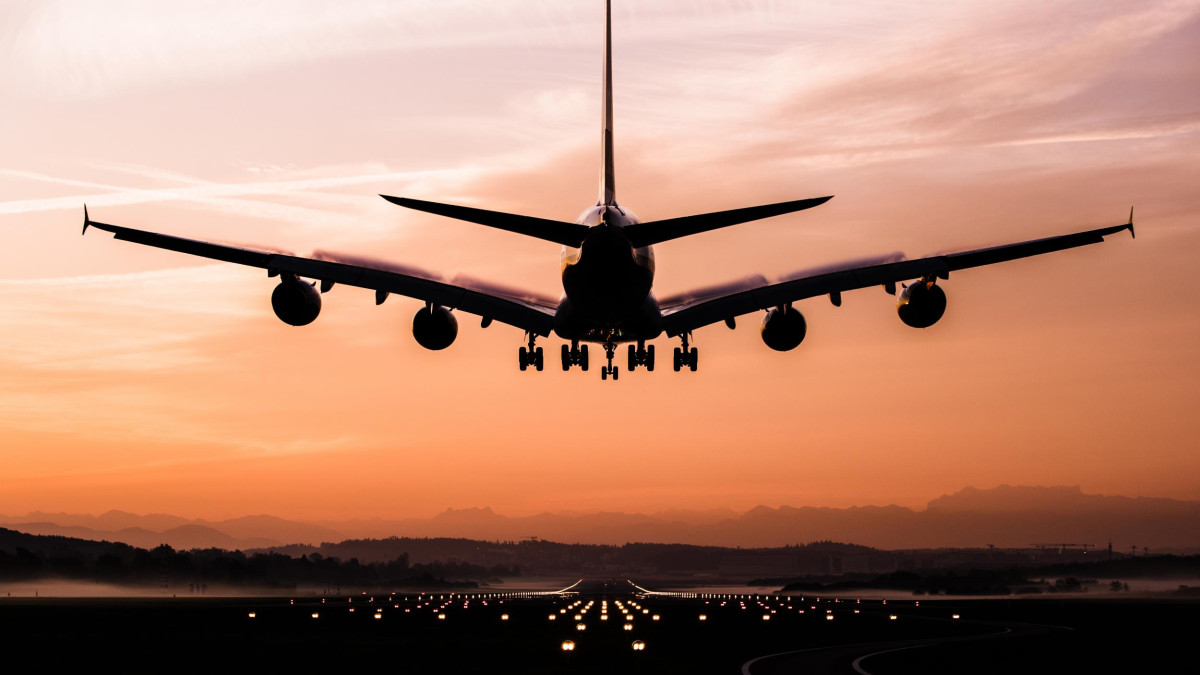
Electric aviation is advancing for short regional routes, but long-haul flights will require liquid fuels for decades to come. The critical challenge for aviation decarbonization is determining which sustainable aviation fuels can be produced at scale and at prices airlines can afford. Germany has designed a €2 billion program to help answer this question through a competitive auction mechanism.
Currently, synthetic aviation fuel costs approximately €7,520 per tonne compared to €640 for conventional jet fuel—nearly twelve times more expensive. Europe has announced 41 large-scale projects with potential annual output of almost 3 million tonnes, but only four are considered advanced and none has reached a final investment decision. A fundamental deadlock exists: producers need decade-long purchase contracts to finance billion-euro manufacturing plants, while airlines and distributors will not commit to ten-year contracts at current prices when regulations and competing technologies may change. A European mandate requiring synthetic fuels to account for 1.2% of aviation fuel by 2030 has created compulsory demand for a product that barely exists.
Germany’s auction program uses a double-auction model where a state-backed intermediary signs long-term purchase agreements with producers offering the lowest prices, then auctions the fuel to distributors under shorter contracts. Public funding covers the price difference. This approach separates the time horizons that private markets cannot currently reconcile, giving producers revenue certainty for financing first-of-a-kind facilities while allowing buyers flexibility. Competitive bidding rewards efficiency gains and innovation, with subsidy gaps potentially declining in later rounds.
A previous H2Global pilot launched in 2022 failed to award an eSAF contract, though the renewable-ammonia portion succeeded, demonstrating that auction design cannot create viable projects from nothing. Germany’s new proposal addresses earlier shortcomings through dedicated budget and longer delivery timelines. However, geographic restrictions requiring production within the European Economic Area may exclude regions with superior renewable resources, potentially driving long-term imports from North Africa, the Middle East, Australia or Latin America.
Article Attribution | Read More at Article Source
Article summary produced by Claude AI