

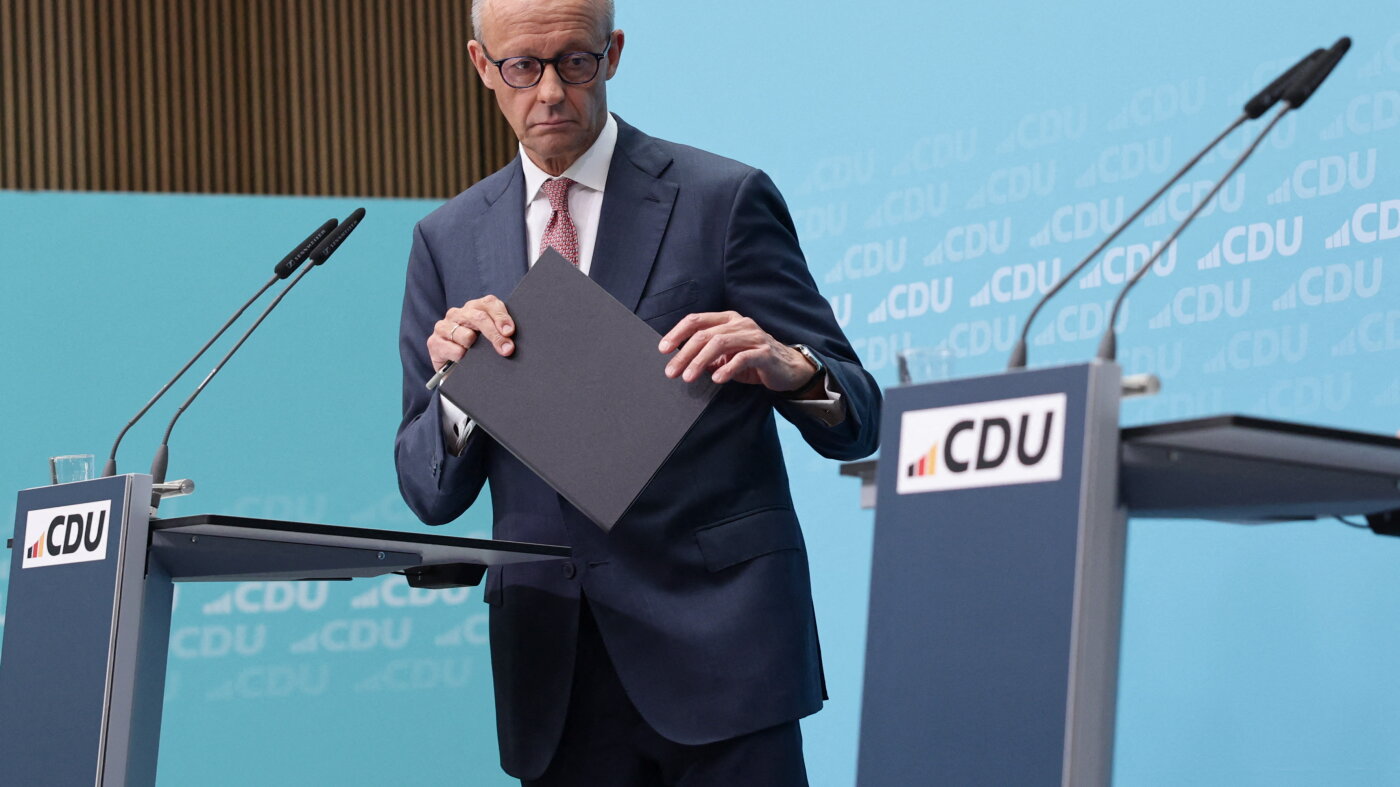
Germany’s political landscape is undergoing significant realignment, with centrist parties struggling to maintain electoral dominance following recent state elections. Chancellor Friedrich Merz and his center-right Christian Democratic Union experienced their weakest state election performance alongside losses in Berlin, while far-right and far-left parties capitalized on voter dissatisfaction. The electoral fragmentation has created governing challenges, as traditional large parties must now rely on narrow coalitions to form majorities, making their political differences less apparent to voters.
Voters have increasingly turned toward more confrontational political choices, reflecting frustration with centrist representation. A Berlin pensioner who voted for the far-left Die Linke party for the first time expressed concern that centrist parties have become disconnected from public concerns. Political observers note that institutional trust is declining, and voters struggle with an expanded range of ballot options that complicate coalition-building and effective governance. The situation echoes historical concerns about political fragmentation creating instability.
Communications experts identify social media algorithms as contributing to the erosion of centrist politics. These platforms prioritize engagement-driving content such as outrage and polarization rather than nuance and compromise, which form the foundation of centrist messaging. The far-right Alternative for Germany has demonstrated effectiveness in conveying emotionally resonant messages promising dramatic change, contrasting with the centrist government’s technical focus on economic reform.
Merz has acknowledged the need to connect with voters on emotional rather than purely statistical grounds regarding his reform agenda. However, he has been direct in criticizing far-right policies, particularly the concept of “remigration,” which he characterized as ethnic cleansing. The far-right leadership, represented by Alice Weidel, now positions the AfD as Germany’s new broad-based political party, further complicating the traditional center-right’s claim to mainstream representation.
Article Attribution | Read More at Article Source
Article summary produced by Claude AI