

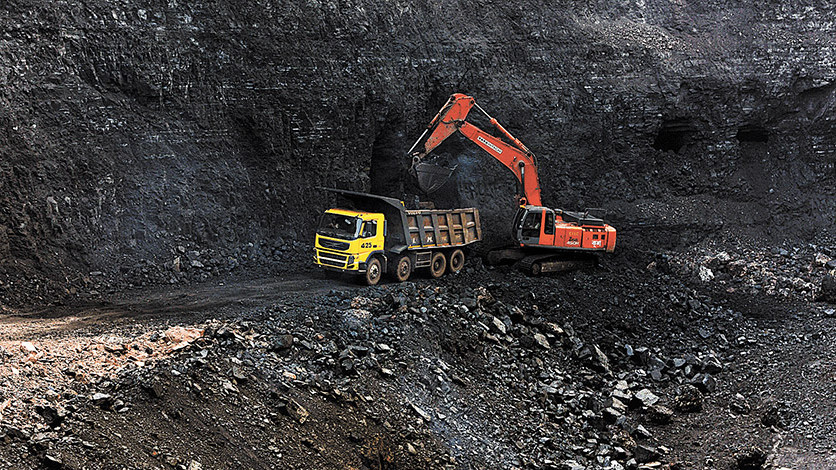
Liquefied natural gas flows from the Persian Gulf have fallen more than 75% compared to their levels before February 28th, creating significant supply constraints as winter demand approaches. European natural gas futures have climbed above 81 euros per megawatt-hour, while Asian spot prices for LNG have surged to over $26 per million British thermal units. This supply crunch is redirecting demand toward coal, which is trading at roughly 80% lower cost than LNG across global markets.
The reduced LNG availability stems from multiple factors, including extended force majeure declarations by major producers and increased attacks on tanker vessels in the Persian Gulf. Tanker-tracking data indicates that only 21 LNG cargoes exited the Strait of Hormuz in September, substantially below the pre-conflict average of over 60 monthly shipments. In response to tightening gas supplies, the International Energy Agency projected in September that global coal demand would reach an all-time high during the year, with particularly strong purchasing anticipated in the fourth quarter as heating season commences.
Major energy importers are shifting consumption patterns in response to price differentials. Japan, South Korea, and China collectively imported 122 million tons of coal during the third quarter, with expectations for fourth-quarter purchasing to approach the 143 million tons per quarter levels seen in late 2024 and 2025. Coal imports have also increased significantly in Europe, where June figures showed year-over-year growth of 43%, driven by elevated natural gas prices and reduced access to Russian energy supplies following import restrictions.
Supply-side constraints on coal are emerging as well, with Indonesia, the world’s largest coal exporter, implementing production quotas and policy changes that reduced exports by as much as 23% in August. The International Energy Agency projects Indonesian coal production will decline by over 12 million tons during the year. Despite these supply-side pressures, coal prices are expected to remain substantially lower than LNG alternatives, maintaining the economic incentive for fuel switching across global energy markets.
Article Attribution | Read More at Article Source
Article summary produced by Claude AI