

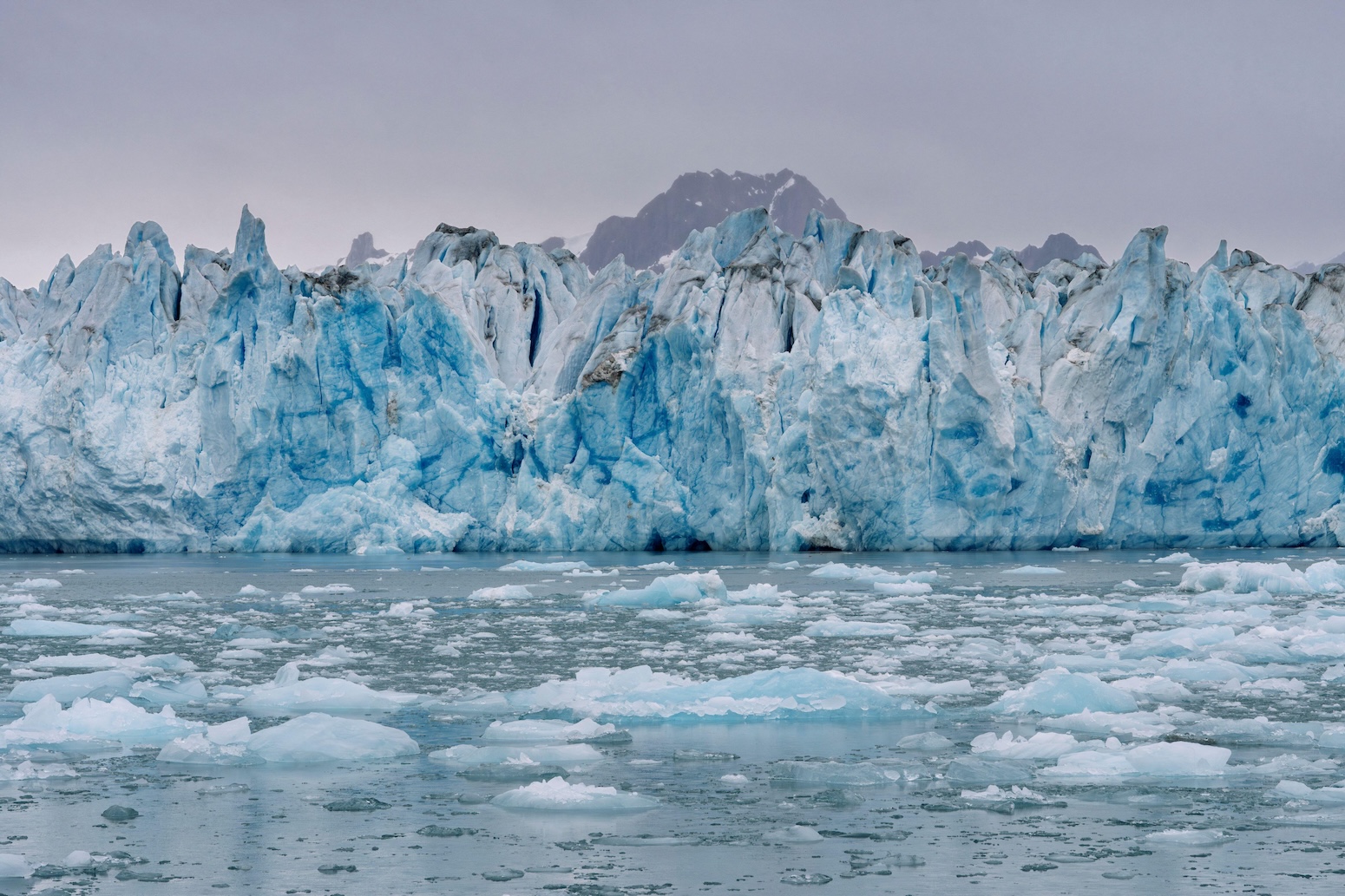
Greenland has experienced its 30th consecutive year of net ice loss, according to climate scientists at the Danish Meteorological Institute. During the 12-month period ending in August 2026, the ice sheet shed around 135 billion tonnes of ice. This milestone is particularly significant because scientists typically require 30 years of consistent data to distinguish long-term climate change trends from natural climate variability. The three-decade streak of continuous ice loss in Greenland underscores the scale and persistence of changes affecting the region’s ice dynamics.
The 2025-26 ice cycle presented a mixed weather picture for Greenland. Winter and early spring were unusually dry across the southern portion of the ice sheet, resulting in approximately 40 billion tonnes less snow accumulation than typical. However, this was counterbalanced by a relatively cool start to summer, during which frequent snowfall and extensive cloud cover limited solar radiation’s warming effect on the surface. The melt season began on 5 June, nine days later than the historical average from 1981-2010. When examined through the lens of surface mass balance alone—measuring snowfall gains versus surface melting losses—the ice sheet posted 519 billion tonnes of positive balance, marking the sixth highest value in a 46-year dataset.
When calculating total mass balance, which accounts for surface melt, iceberg calving, glacier front melting in contact with warm seawater, and basal melting, the picture shifts to net loss. The ice sheet lost approximately 135 billion tonnes over the period, though alternative estimates incorporating satellite data and weather station observations suggest losses may have reached 173 billion tonnes. Scientists employ different methodologies to account for uncertainties regarding ice sheet thickness, movement rates, and melting rates.
The sustained ice loss in Greenland carries broader implications for global sea level rise and climate patterns. The ice sheet represents the world’s second-largest ice mass and currently serves as the primary contributor to ice-driven sea level rise. Scientists note that melting processes long observed in Greenland are increasingly appearing in Antarctica, suggesting that Greenland’s experience may foreshadow future changes in the world’s largest ice sheet.
Article Attribution | Read More at Article Source
Article summary produced by Claude AI